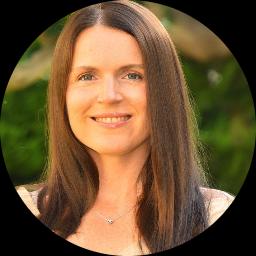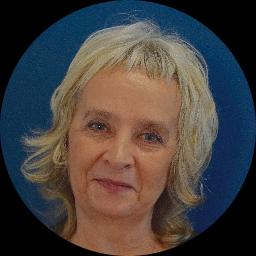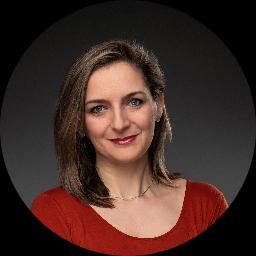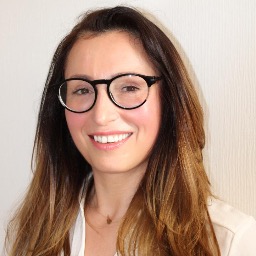
Krystyna Dabrowa
BACP
4 years in practice English, Polish
Supportive client-centred counsellor
- Stress, Anxiety
- Trauma and abuse
- Self esteem
UK counselling directory
45 counsellors in this directory name Polish among the languages they offer sessions in.
Accessing therapy in Polish can make it easier to express complex memories, feelings and cultural nuances in your own words. Browse the Polish-speaking therapists below to find counsellors who communicate in Polish and review their approaches and backgrounds.
BACP
4 years in practice English, Polish
Supportive client-centred counsellor
5 years in practice English, Polish
Compassionate trauma-informed psychotherapist
NCPS
4 years in practice English, Polish
Practical support for trauma and addiction recovery
3 years in practice English, Polish
Calm, practical counselling for healing and change
BACP
6 years in practice English, Italian
Gentle, body-aware counselling for trauma and life change
BACP
3 years in practice English, Polish
Calm, practical support for life and trauma
BACP
6 years in practice English, Polish
Empathic person-centred counsellor
BACP, NCPS
5 years in practice English, Polish
Practical support for trauma, grief and anxiety
BACP
20 years in practice English, Polish
Experienced counsellor focusing on trauma and relationships
BACP
3 years in practice English, Polish
Compassionate counsellor for trauma and anxiety
BACP, NCPS
5 years in practice English, Polish
Practical, action-focused counselling for adults
BACP
17 years in practice English, Polish
Compassionate counselling for trauma and relationships
BACP
15 years in practice English, Polish
Experienced integrative counsellor for trauma and life change
BACP
7 years in practice English, Polish
Trauma-informed, goal-focused counsellor
BACP
9 years in practice English, Polish
Calm, reflective counselling with practical focus
BACP
4 years in practice English, Polish
Compassionate, practical support for trauma and stress
BACP
5 years in practice English, Polish
Compassionate counsellor for trauma and life stress
BACP, NCPS
13 years in practice English, Polish
Compassionate, practical support for trauma and stress
BACP
4 years in practice English, Polish
Compassionate trauma-focused counselling and therapy
BACP
3 years in practice English, Polish
Integrative counsellor for stress and trauma
BACP
4 years in practice English, Polish
Calm, practical support for stress and trauma
BACP, NCPS
7 years in practice English, Polish
A listening counsellor for practical change
BACP
4 years in practice English, Polish
Trauma-informed counsellor blending practical therapies
8 years in practice English, Polish
Trauma-aware integrative counsellor
BACP
3 years in practice English, Polish
Calm, grounded counselling for real-life struggles
BACP
3 years in practice English, Polish
Compassionate counsellor for trauma and life stress
BACP
3 years in practice English, Polish
Compassionate counsellor for trauma and stress
BACP
5 years in practice English, Polish
Thoughtful support for stress and trauma
BACP
15 years in practice English, Polish
Calm, practical support for difficult times
BACP
10 years in practice English, Polish
Integrative counsellor for trauma and life change
NCPS
4 years in practice English, Polish
Compassionate counsellor for trauma and stress
BACP
20 years in practice English, Polish
Gentle, practical therapy for life challenges
BACP
2 years in practice English, Polish
Compassionate counsellor for trauma and life change
BACP
9 years in practice English, Polish
Experienced trauma-aware counsellor
BACP
6 years in practice English, Polish
Compassionate counsellor for trauma and life changes
BACP
15 years in practice English, Polish
Trauma-informed counsellor with 15 years' experience
BACP
5 years in practice English, Polish
Compassionate trauma-aware counsellor
BACP
3 years in practice English, Polish
Compassionate counsellor focusing on trauma recovery
BACP
11 years in practice English, Polish
Experienced bilingual counsellor focusing on trauma and relationships
BACP
8 years in practice English, Polish
Supportive counsellor for trauma and life stress
BACP
4 years in practice English, Polish
Healing that honours personal history
HCPC
5 years in practice English, Polish
Therapist who supports recovery and self-worth
BACP, NCPS
6 years in practice English, Polish
Compassionate counsellor for stress and trauma
BACP
12 years in practice English, Polish
Practical support for stress and trauma
7 years in practice English, Polish
Supportive counsellor for trauma and life changes
Some links on this page are partner links. We will earn a commission if you sign up through one, at no cost to you.
Looking for a therapist who speaks Polish means you are placing value on being understood in your native language. Language shapes how you think about emotions and experience the world - the right words can open access to thoughts and memories that feel harder to reach in a second language. In the following sections you will find practical guidance on why therapy in Polish can matter, how language can shape the therapeutic process, what to expect from online sessions, common concerns Polish speakers face when seeking help in the UK, and tips to help you choose a counsellor who suits your needs.
When you speak in your first language you are more likely to communicate subtle emotional states, cultural references and childhood memories with nuance. A shared language allows metaphors, humour and idioms to travel naturally between you and your counsellor. This matters because therapy often relies on fine-grained distinctions - the way you describe a memory or a feeling can influence the direction of the work you do together. For many people who grew up speaking Polish, certain words or phrases hold cultural weight that does not translate cleanly. Being able to use those expressions in session can help you connect experience to meaning more directly.
Therapy in your native language may also make it easier to discuss culturally specific experiences, such as intergenerational family expectations, migration stories, or attitudes towards mental health that are shaped by Polish social contexts. If your family circulates particular beliefs or practices related to coping and resilience, speaking Polish can help you situate those patterns within your life story. You may find that discussing these matters in Polish reduces the effort of translating your experience in real time, allowing the sessions to focus more on reflection, understanding and practical steps forward.
Language barriers are not only about vocabulary - they influence how you process and express emotion. When you speak a second language, you may notice that some feelings feel muted, or that describing painful memories becomes more effortful. This is because emotional associations are often learned early in life through a specific language and social environment. If you are working through trauma, grief or family dynamics, those early associations can be important to access. Speaking Polish in therapy can help you reach those layers more naturally.
Misunderstandings can also arise if cultural assumptions are different between you and a counsellor who does not share your language or background. A gesture, a turn of phrase or a cultural reference might be interpreted differently, leading to missed meaning. Working with someone who speaks Polish reduces the need for translation and reduces the risk that important cues about your emotional state or history are lost. That said, language alone does not guarantee a good fit. You will want to consider how a counsellor approaches working with culture, migration or trauma, and whether their style feels respectful of your personal story.
Online therapy has become a common way to connect with counsellors who speak your language, no matter where they are located within the UK. In online sessions you can often choose between video calls and telephone sessions, and you may find that the option to use video allows for a fuller interpersonal connection. Expect to discuss practical matters at the start - session length, frequency, fees and the general approach the counsellor uses. Many Polish-speaking counsellors list approaches such as psychodynamic work, humanistic counselling, cognitive-behavioural methods, or trauma-informed practice among their approaches. Remember that listing an approach is not the same as a formal qualification in that method; you can ask a counsellor how they work with certain problems and how they adapt their style to fit your needs.
Technically, online therapy requires a stable internet connection and a quiet room where you can speak without interruptions. You should plan a comfortable environment where you feel able to talk openly. It is reasonable to ask how the counsellor handles boundaries around sessions, how they manage timekeeping and cancellations, and how they prefer to communicate between sessions if that is needed. If you prefer to conduct sessions in Polish, you can confirm language use at the outset; many counsellors are bilingual and will outline whether they will work mainly in Polish or switch between languages as needed.
Many Polish speakers worry about cultural stigma around mental health. In some families and communities, seeking help can be seen as a sign of weakness or something to be kept out of sight. You may carry concerns about how relatives or friends will react if they find out you are in therapy. These cultural pressures can make the first steps feel especially difficult. Another common concern is finding a counsellor who understands migration-related issues such as homesickness, identity shifts, family separation or the stress of navigating new systems in the UK. You may want a counsellor who is able to recognise the emotional impact of those experiences and who is comfortable discussing them from a cultural perspective.
Practical concerns include understanding professional credentials and what they mean in a UK context. Counsellors in the UK may describe themselves as registered, accredited or qualified with professional bodies. If it matters to you, you can ask about a counsellor's experience working with Polish-speaking clients, their approach to cultural matters and how they support clients with similar backgrounds. Cost and session format are also important practical considerations. Being clear at the beginning about fees, cancellation policies and session structure can reduce stress later on and help you focus on the therapeutic work.
Online therapy broadens your choices. If there are few Polish-speaking counsellors nearby, the online format lets you connect with counsellors elsewhere in the UK who share your language. This can be particularly helpful if you want someone who understands specific regional or cultural experiences. Online sessions also offer flexibility in scheduling and the possibility to continue work if you move location. For many people, the convenience of meeting from home reduces barriers to starting and maintaining therapy.
When choosing a counsellor you might start by reading their profile to understand the issues they commonly work with and the approaches they list. Look for counsellors who describe experience with matters that matter to you - for example, trauma, relationship difficulties, migration stress or family dynamics. It is reasonable to contact a counsellor to ask how they work in Polish and how they adapt their approach to suit bilingual clients. Ask about their professional affiliations, whether they are registered or accredited with a recognised body, and how they approach cultural factors in therapy. Trust your impression of how the counsellor communicates - if their responses feel respectful and clear, that is a positive sign.
Finally, remember that finding the right match can take time. You may feel more comfortable with a particular style of counselling or with someone of a specific age or cultural background. You do not need to rush the process - taking time to reflect on what you want from therapy and asking thoughtful questions of potential counsellors can help you find a fit that supports you in the long term.
If you are ready to begin, use the profiles above to look for counsellors who speak Polish and who describe work that aligns with your needs. Reaching out for an initial conversation in Polish can be a helpful first step toward accessing support that respects your language and experience.