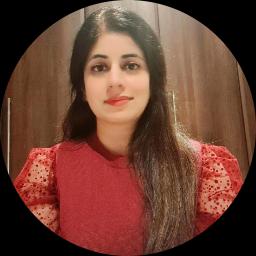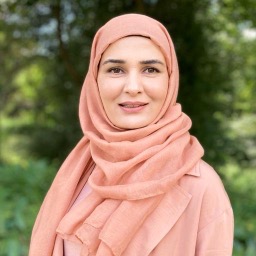
Faiza Malik
BACP
27 years in practice English, Punjabi
Experienced counsellor for trauma and relationships
- Stress, Anxiety
- Relationship
- Eating
UK counselling directory
41 counsellors in this directory name Punjabi among the languages they offer sessions in.
Therapy in your native language can make it easier to share complex feelings and cultural experiences. Browse the Punjabi-speaking therapists listed below to find counsellors and therapists who offer support in Punjabi.
BACP
27 years in practice English, Punjabi
Experienced counsellor for trauma and relationships
37 years in practice English, Hindi
Compassionate trauma-aware counsellor
BACP
3 years in practice English, Punjabi
Calm, practical counselling for trauma and life stress
BACP
4 years in practice English, Punjabi
Compassionate counsellor for life and relationship stress
5 years in practice English, Punjabi
Compassionate counsellor for trauma and life changes
BACP
15 years in practice English, Punjabi
Guided, practical support for stress and trauma
BACP
12 years in practice English, Hindi
Calm, practical therapy focused on real change
BACP
4 years in practice English, Gujarati
Insight-led psychodynamic counsellor
BACP
15 years in practice English, Punjabi
Compassionate trauma-informed counsellor
BACP
5 years in practice English, Punjabi
Compassionate practical support for trauma and addiction
HCPC
14 years in practice English, Hindi
Calm, practical support for trauma and life change
BACP
6 years in practice English, Punjabi
Supportive counsellor for stress and trauma recovery
BACP
8 years in practice English, Hindi
Calm, practical counselling for life changes
BACP
3 years in practice English, Punjabi
Supportive counsellor using evidence-based techniques
BACP
16 years in practice English, Hindi
Compassionate support for stress and trauma
BACP
32 years in practice English, Hindi
Calm practical support for trauma and anxiety
BACP
6 years in practice English, Punjabi
Compassionate support for stress and trauma recovery
NCPS
4 years in practice English, Punjabi
Compassionate client-centred counselling for recovery
BACP
9 years in practice English, Hindi
Calm, practical support for emotional recovery
BACP
19 years in practice English, Hindi
Calm, client-centred counselling for life challenges
BACP
22 years in practice English, Punjabi
Calm, practical support for trauma and life changes
BACP
12 years in practice English, Punjabi
Practical, compassionate counselling for life challenges
8 years in practice English, Hindi
Practical, calm support for trauma and life change
BACP
7 years in practice English, Punjabi
Calm, practical support for trauma and stress
BACP
8 years in practice English, Punjabi
Experienced counsellor for trauma and relationships
BACP
5 years in practice English, Hindi
Calm practical support for trauma and anxiety
BACP
3 years in practice English, Punjabi
Warm client-centred counsellor with practical focus
BACP
3 years in practice English, Punjabi
Supportive BACP counsellor for trauma and life changes
BACP
3 years in practice English, Punjabi
Compassionate person-centred therapy for trauma
BACP
3 years in practice English, Hindi
Practical support for trauma and anxiety
BACP
9 years in practice English, Punjabi
Compassionate counselling for life's hard moments
BACP
22 years in practice English, Punjabi
Experienced person-centred counsellor
BACP
22 years in practice English, Punjabi
Calm, practical support for trauma and grief
NCPS
4 years in practice English, Punjabi
Calm, person-focused counsellor
BACP, NCPS
4 years in practice English, Hindi
Compassionate, attachment-informed talking therapy
BACP
4 years in practice English, Punjabi
Calm, person-focused counselling for life change
NCPS
3 years in practice English, Hindi
Grounded trauma-aware counsellor
BACP
4 years in practice English, Hindi
Compassionate counsellor focusing on trauma and anxiety
BACP
4 years in practice English, Hindi
Supportive counsellor for trauma and life stress
BACP, NCPS
5 years in practice English, Punjabi
Calm, practical support for trauma and life change
13 years in practice English, Hindi
Experienced BACP counsellor for trauma and life stress
Some links on this page are partner links. We will earn a commission if you sign up through one, at no cost to you.
When you speak in the language you grew up with, you are often able to describe emotions, memories and family dynamics with greater nuance. Punjabi carries idioms, tone and cultural references that do not always translate neatly into English. That subtlety matters in therapy because it affects how you and a counsellor understand trauma, grief, shame and resilience. Communicating in Punjabi can reduce the effort of translating inner experience and help you focus on the therapeutic work rather than on language itself.
For many people, language is tied to identity. Talking through painful or delicate topics in Punjabi can provide a sense of continuity with your cultural world and may make it easier to discuss intergenerational issues, migration stories and pressures from extended family. If you are seeking support for trauma-related reactions, anxiety or relationship strain, the ability to express yourself in Punjabi can influence the pace and depth of the conversation. This does not mean that therapy in English cannot be effective, but a Punjabi-speaking counsellor can offer a conversational rhythm and cultural context that feels closer to home.
Language barriers can change the shape of a therapeutic relationship. If you are working through traumatic memories or strong emotions, needing to find the right words in a second language can create distance and slow progress. You might find yourself using general terms rather than precise descriptions, or relying on metaphors that do not convey the full intensity of your experience. This can leave both you and the counsellor with an incomplete picture of what is happening and may lead to frustration.
Beyond vocabulary, cultural concepts and non-verbal cues play a role. How emotions are expressed, what is considered appropriate to share with an outsider, and expectations about family roles vary across Punjabi-speaking communities. A counsellor who understands those cultural patterns or who shares the language can help translate not just words but the meaning behind them. If you are concerned about being misunderstood, a Punjabi-speaking therapist can offer a bridge that reduces the risk of misinterpretation and supports more honest, emotionally rich conversations.
You may notice that describing sensations, memories and relational dynamics in Punjabi allows you to access feelings that feel muted in another language. That access can be important when you are exploring trauma responses, attachment wounds or patterns of avoidance. It can also help when discussing culturally specific stressors such as honour, community expectations or migration-related loss. Speaking in Punjabi does not guarantee an instant connection, but it often makes it easier to explore delicate material without losing the colour and context of your experience.
Online therapy can feel different from face-to-face meetings, but many people find it a practical and effective way to access Punjabi-speaking support. When you meet with a counsellor online, you can expect sessions to follow similar aims as in-person work - building trust, exploring your concerns and developing strategies for coping. The medium may change how you communicate slightly - you may be more aware of pauses, gestures and tone - but a skilled counsellor will work with these factors so the conversation remains meaningful.
Technical aspects such as video quality and connection can influence the flow of a session, so it helps to choose a quiet, comfortable spot where you can speak without interruptions. If speaking Punjabi feels more natural for you, you should be able to use the full range of expression online, including idioms, humour and emotion. Some people appreciate being in a familiar environment during sessions because it can reduce the stress of travelling and allow you to ground yourself between meetings.
Before your first online meeting, you might want to check what platform the counsellor uses and whether sessions are conducted by video or phone. It is also reasonable to ask how the counsellor works with clients from Punjabi-speaking backgrounds - whether they commonly support migration-related issues, family conflict or trauma. Remember that online therapy can broaden your options because you are not limited by geography; you can meet with counsellors across the UK who list Punjabi as a language they use in sessions.
Many people from Punjabi-speaking communities have concerns about stigma, trust and cultural misunderstanding when considering therapy. Worries about how family members will view therapy, fear of being judged or uncertainty about the relevance of counselling are common. You may also encounter practical barriers such as finding a counsellor who understands specific cultural customs, religious practices or family structures. These concerns can make the first step towards seeking support feel daunting.
Another frequent worry is how privacy is handled within close-knit communities. You may fear disclosure or gossip, or worry that others will interpret your help-seeking as weakness. Discussing these fears with a Punjabi-speaking counsellor can be a valuable part of therapy itself because it allows you to explore how cultural expectations shape your wellbeing. Counsellors who work with Punjabi-speaking clients often have experience navigating these issues and can help you find ways to seek support that align with your values and safety needs.
Online therapy widens your options for connecting with a Punjabi-speaking counsellor. You can meet with counsellors in different parts of the UK, which increases the chance of finding someone who aligns with your cultural background, approach and personal preferences. The flexibility of online sessions also makes it easier to arrange appointments around work, family responsibilities and travel. For many people, being able to join a session from home reduces stress and makes it simpler to maintain regular contact with a counsellor.
When choosing a Punjabi-speaking counsellor, think about the issues you want to work on and the kind of approach that feels right for you. Some counsellors focus on trauma-informed work, others emphasise relational or cognitive approaches, and some describe a more eclectic style. You may prefer someone who identifies with your cultural background, or you may prioritise therapeutic approach and interpersonal fit. Look for counsellors who are registered or accredited with reputable UK professional bodies and who clearly state the languages they work in. Reading therapist profiles can help you understand whether they commonly support clients with similar concerns to your own.
As you review profiles, think about how the counsellor describes their work with Punjabi-speaking clients, what kinds of issues they note, and the style of therapy they describe. It can be helpful to reflect on whether you want a counsellor who shares your cultural background, understands specific religious or family contexts, or who brings particular experience with trauma or migration-related stress. Trust and comfort often come from a combination of shared understanding and a counsellor's ability to listen without judgement.
Seeking therapy in Punjabi is a personal choice that can open up new ways of understanding yourself and your relationships. Whether you choose online sessions or meet locally, the key is to find a counsellor with whom you feel heard and understood. Take your time reading profiles, use the information provided to match your needs, and remember that meaningful therapeutic work often begins with the courage to reach out.