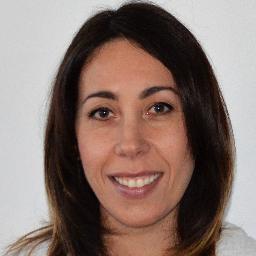
Jose Veiga
BACP
8 years in practice English, Portuguese
Healing through listening and practical support
- Stress, Anxiety
- LGBT
- Trauma and abuse
UK counselling directory
38 counsellors in this directory name Portuguese among the languages they offer sessions in.
Talking with a therapist in your native Portuguese can make it easier to express feelings, memories and cultural nuance. Below you can browse Portuguese Speaking therapists and counsellors to find practitioners whose approaches and focus areas match what you need.
BACP
8 years in practice English, Portuguese
Healing through listening and practical support
BACP
5 years in practice English, Spanish
Warm, practical therapy for trauma and relationships
HCPC
16 years in practice English, Portuguese
Calm, experienced psychologist who listens and guides
BACP
11 years in practice English, Portuguese
Psychodynamic counsellor focused on self-understanding
BACP
23 years in practice English, Portuguese
Experienced counsellor for trauma and anxiety
BACP
7 years in practice English, Portuguese
Somatic-informed counsellor for trauma and stress
BACP
27 years in practice English, Portuguese
Experienced person-centred counsellor for relationships and loss
HCPC, BACP
16 years in practice English, Portuguese
Experienced counsellor focusing on relational trauma
BACP
3 years in practice English, Spanish
Compassionate therapist focusing on trauma and everyday coping
9 years in practice English, Portuguese
Experienced integrative counsellor focused on trauma
BACP
10 years in practice English, Portuguese
Compassionate Jungian counselling for life changes
10 years in practice English, Portuguese
Compassionate counsellor for life’s difficult moments
BACP
3 years in practice English, Portuguese
Compassionate counselling for stress and trauma
BACP
10 years in practice English, Portuguese
Compassionate counsellor for trauma and life changes
40 years in practice English, Italian
Experienced counsellor blending therapy and mentoring
NCPS
4 years in practice English, Portuguese
Trauma-aware counsellor focusing on practical coping
NCPS
7 years in practice English, Portuguese
Compassionate counsellor for trauma and life stress
10 years in practice English, Portuguese
Calm trauma-informed counsellor with practical tools
BACP
12 years in practice English, Portuguese
Compassionate counsellor focused on healing and growth
BACP
10 years in practice English, Portuguese
Counsellor specialising in trauma recovery
BACP
8 years in practice English, Portuguese
Compassionate counsellor blending insight and practical tools
HCPC
17 years in practice English, Portuguese
Trauma-aware therapist with practical skills focus
15 years in practice English, Portuguese
Gentle psychodynamic work for adult distress
BACP
5 years in practice English, Portuguese
Compassionate counsellor for trauma and life changes
NCPS
9 years in practice English, Portuguese
Compassionate counsellor for trauma and life changes
BACP
4 years in practice English, Portuguese
Compassionate, flexible counsellor for adults
5 years in practice English, Portuguese
Mindful, practical support for stress and trauma
BACP, NCPS
3 years in practice English, Portuguese
Warm counsellor for life transitions
8 years in practice English, Portuguese
Practical, person-centred support for trauma and change
BACP
6 years in practice English, Portuguese
Experienced relational counsellor for trauma and relationships
BACP
6 years in practice English, Portuguese
Gentle, practical support for difficult moments
15 years in practice English, Portuguese
Experienced trauma-aware counsellor
NCPS
6 years in practice English, Portuguese
Calm, practical support for trauma and stress
NCPS
14 years in practice English, Portuguese
Compassionate client-centred counselling
BACP
9 years in practice English, Portuguese
Calm person-centred counselling for life changes
BACP
6 years in practice English, Portuguese
Relational integrative psychotherapist focused on trauma and anxiety
6 years in practice English, Portuguese
Calm, practical support for trauma and anxiety
BACP
3 years in practice English, Portuguese
Compassionate integrative counselling for life challenges
Some links on this page are partner links. We will earn a commission if you sign up through one, at no cost to you.
When you speak in your first language you often access emotional detail, idioms and childhood memories that are harder to summon in a second language. That matters in therapy because much of therapeutic work depends on subtle distinctions of feeling, metaphor and cultural meaning. You may find it easier to describe how something felt in the moment, to name a bodily sensation, or to recall the tone of a family interaction when you are using Portuguese. That access can influence how you and a practitioner understand patterns that contribute to stress, anxiety or trauma-related reactions.
Having conversations in Portuguese also supports the formation of rapport. The rhythm and warmth of a shared language can make it feel more natural to build trust and to explore sensitive topics. For many people, being able to use expressions from home or to reference cultural touchstones can reduce the extra effort of translation and allow sessions to focus on the issues that matter most to you.
If you work with a practitioner who does not speak Portuguese, you may find some feelings are softened, reshaped or lost in translation. This is not a criticism of non-Portuguese speaking practitioners but a recognition of how language influences thought. You might use fewer idioms, rely on simpler vocabulary, or avoid metaphors that would carry important meaning in Portuguese. Over time these small shifts can change the direction of sessions and make it harder to reach the emotional material you intended to explore.
Language differences can also influence clinical concepts and how interventions are described. Some phrases used in Portuguese families do not have neat equivalents in English, and those differences can matter when you try to communicate family history, values or culturally specific stressors. If you rely on an interpreter or translated materials, be aware that the interpreter plays a role in shaping the conversation, and you may need more time to ensure meanings are captured fully.
Online therapy with a Portuguese-speaking practitioner often looks similar to conventional sessions but with differences in convenience and setting. Sessions may take place via video, audio or messaging, and you should expect the practitioner to agree with you how to handle session length, breaks and follow-up contact. In online work you are likely to be asked about your comfort with the technology and about creating a calm environment at home where you can speak freely. If you prefer a session that begins with a few minutes of settling in, you can say so and the practitioner can adapt the pace.
Content-wise, many of the same therapeutic tasks remain possible online - exploring past experiences, discussing current relationships, and developing coping strategies for stress or trauma reactions. You may find that online sessions allow you to connect with Portuguese-speaking practitioners who are located in other parts of the UK or beyond, giving you access to a wider range of clinical approaches and lived experiences. Some practitioners list EMDR among their approaches, while others describe cognitive behavioural work, psychodynamic perspectives or narrative methods. Descriptions on profiles typically indicate which areas practitioners focus on and what they bring to the work rather than formal training specifics.
Many Portuguese speakers raise the same questions when they begin to look for therapy - worries about stigma, doubts about whether a practitioner will understand cultural expectations, and uncertainty about how to talk about migration, family roles or faith. In some communities, seeking counselling carries a social meaning that can feel at odds with parental or community expectations. You might worry about being judged, about whether therapy will respect family values, or about whether a practitioner can recognise the effects of migration, language loss or generational differences.
Another common concern is how to find practitioners who combine linguistic ability with cultural sensitivity. Profiles on directories often mention background, specialisms and languages spoken, which can help you find someone whose lived experience or clinical orientation resonates with yours. Look for language that reflects respect for cultural context and an openness to discuss how your background shapes what you bring to sessions. You are entitled to ask questions about how the practitioner works with cultural themes and how they adapt approaches to suit different cultural norms.
Online therapy can expand your options because it allows you to connect with Portuguese-speaking practitioners who may be based in another city or region. That wider access can be particularly useful if you live in an area with fewer Portuguese-speaking services or if you have caregiving or work commitments that make in-person appointments difficult. Online work can fit into your daily life more easily and offer different formats - some practitioners offer shorter check-in sessions, while others focus on longer, exploratory work.
When choosing a Portuguese-speaking therapist, think about the kinds of issues you want to address, the tone you prefer in a practitioner, and any practical considerations such as session length and fees. Read profiles to learn which areas a practitioner focuses on and whether they describe experience with trauma, bereavement, relationship difficulties or migration-related stress. If an approach is important to you, note that some therapists list EMDR among their approaches and others describe cognitive behavioural, integrative or psychodynamic methods. Profiles usually indicate whether a practitioner is registered with a professional body or holds recognised qualifications, which can help you understand their background.
It is also useful to reflect on whether you prefer a practitioner who shares cultural references or someone whose perspective offers a different viewpoint. Both can be helpful in different ways. You may want to ask about how the practitioner handles information-sharing boundaries-related processes, session notes and boundaries, and how they approach interpretation when complex cultural material arises. Trust your impressions of tone and language in the profile descriptions - they often give a good sense of how a practitioner communicates and whether that style will suit you.
Finding a Portuguese-speaking therapist is a step toward discussing sensitive topics in the language that feels most natural to you. Use the profiles below to explore practitioners who offer the approaches and focus areas that matter to you. Remember that it is reasonable to take time to choose someone who fits your needs - the right match can support meaningful change and help you navigate difficult experiences with greater clarity and resilience.