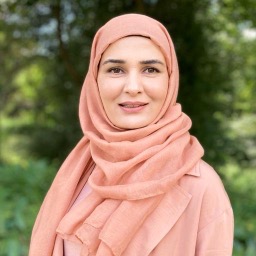
Faiza Malik
BACP
27 years in practice English, Punjabi
Experienced counsellor for trauma and relationships
- Stress, Anxiety
- Relationship
- Eating
UK counselling directory
38 counsellors in this directory name Urdu among the languages they offer sessions in.
Speaking with a counsellor in Urdu can make it easier to express feelings, memories and cultural context. Below you can browse profiles of Urdu-speaking therapists listed on our site to find someone who matches your needs.
BACP
27 years in practice English, Punjabi
Experienced counsellor for trauma and relationships
37 years in practice English, Hindi
Compassionate trauma-aware counsellor
BACP
4 years in practice English, Bengali
Calm, practical support for life changes
BACP
6 years in practice English, Urdu
Compassionate trauma-informed counselling
BACP
5 years in practice English, Hindi
Calm, practical counselling for life’s difficult moments
BACP
4 years in practice English, Punjabi
Compassionate counsellor for life and relationship stress
BACP
12 years in practice English, Hindi
Calm, practical therapy focused on real change
BACP
4 years in practice English, Hindi
Compassionate counsellor for life changes
BACP
15 years in practice English, Punjabi
Compassionate trauma-informed counsellor
16 years in practice English, Hindi
Experienced integrative psychotherapist
HCPC
14 years in practice English, Hindi
Calm, practical support for trauma and life change
BACP
5 years in practice English, Bengali
Compassionate trauma-informed counsellor
BACP
6 years in practice English, Punjabi
Supportive counsellor for stress and trauma recovery
BACP
8 years in practice English, Hindi
Calm, practical counselling for life changes
BACP
4 years in practice English, Urdu
Supportive counsellor for trauma and life stressors
BACP
6 years in practice English, Punjabi
Compassionate support for stress and trauma recovery
NCPS
4 years in practice English, Punjabi
Compassionate client-centred counselling for recovery
BACP
9 years in practice English, Hindi
Calm, practical support for emotional recovery
BACP
5 years in practice English, Hindi
Calm, practical support for stressful times
BACP
19 years in practice English, Hindi
Calm, client-centred counselling for life challenges
BACP
12 years in practice English, Punjabi
Practical, compassionate counselling for life challenges
8 years in practice English, Hindi
Practical, calm support for trauma and life change
BACP
9 years in practice English, Hindi
Compassionate counsellor for emotional and relational challenges
BACP
5 years in practice English, Hindi
Calm practical support for trauma and anxiety
BACP
3 years in practice English, Punjabi
Warm client-centred counsellor with practical focus
BACP
3 years in practice English, Punjabi
Compassionate person-centred therapy for trauma
BACP
3 years in practice English, Hindi
Practical support for trauma and anxiety
BACP
22 years in practice English, Punjabi
Experienced person-centred counsellor
BACP
21 years in practice English, Gujarati
Experienced counsellor for trauma and life change
HCPC
15 years in practice English, Hindi
Collaborative, practical support for trauma and anxiety
BACP, NCPS
4 years in practice English, Hindi
Compassionate, attachment-informed talking therapy
BACP
7 years in practice English, Urdu
Compassionate counselling for trauma and life change
NCPS
3 years in practice English, Hindi
Grounded trauma-aware counsellor
BACP
4 years in practice English, Hindi
Compassionate counsellor focusing on trauma and anxiety
BACP
4 years in practice English, Hindi
Supportive counsellor for trauma and life stress
BACP
7 years in practice English, Urdu
Practical, strengths-based counselling for life challenges
NCPS
15 years in practice English, Urdu
Experienced counsellor combining practical therapy approaches
BACP
12 years in practice English, Urdu
Compassionate counsellor for trauma and life change
Some links on this page are partner links. We will earn a commission if you sign up through one, at no cost to you.
When you speak in your native language you can reach subtleties of emotion and memory that are often difficult to translate. Words that carry cultural meaning, proverbs, humour and idioms can shape how you describe your experience. If you have grown up speaking Urdu, being able to use that language in therapy helps you access the natural rhythms of conversation and the vocabulary you use for relationships, family life and identity. That familiarity can reduce the extra work of translating feelings in your head before you speak them aloud. It can also allow you to speak about culturally specific experiences - such as intergenerational expectations, migration, or religious observance - with nuance and clarity.
Having a counsellor who speaks Urdu can also influence how you feel about opening up. You may find it easier to express anger, grief or joy without worrying that words will lose meaning. This does not mean every Urdu-speaking counsellor will be the right fit, but language is a practical starting point. If you prefer to speak in Urdu, look for profiles that list Urdu as a language and highlight cultural competence with South Asian communities in the UK. That combination helps ensure conversations take place in terms that feel natural to you and that cultural references will be understood.
Language barriers go beyond vocabulary. They can change the pace of conversations, make emotional disclosure feel stilted and introduce constant mental translation that drains energy from the therapy process. When you are thinking in one language and trying to express emotions in another, you may lose metaphors or the intensity of certain memories. This can lead to frustration and a sense that you are not being fully heard. If you have experienced this, you are not alone - many people discover that therapy in a less familiar language limits the depth of what they are able to explore.
Misunderstandings can also arise from cultural differences tied to language. A phrase that seems neutral in one language might carry a loaded connotation in another. These subtleties matter because therapy often relies on shared meaning. If you notice that you are repeating yourself, using simpler phrases or avoiding certain topics because you are worried about being misunderstood, these are signs that language is influencing the therapeutic process. Choosing a counsellor who speaks Urdu can reduce that friction and allow you to use the full range of expression you need to work through complex feelings or trauma.
Online therapy commonly takes place via video call, phone or messaging. When you choose an Urdu-speaking counsellor for remote sessions, the core elements of the therapeutic relationship remain the same as in-person work - a focus on listening, exploring your concerns and developing strategies that suit your life. You can expect sessions to use Urdu for the majority of verbal exchange if that is your preference, and many practitioners will blend Urdu with English as needed to discuss clinical terms or resources that are more commonly written in English.
Before beginning online sessions you may want to check how the counsellor describes their approach, whether they are registered with a recognised professional body and what areas of practice they focus on. Some profiles will note that therapists list certain approaches, for example cognitive behavioural methods, psychodynamic ideas or that therapists list EMDR among their approaches. Those descriptions are useful to understand how a counsellor frames their work, but they do not replace a conversation about what will suit you. In an initial session you can explore how much of the work will be conversational, whether practical strategies will be offered and how cultural dimensions will be woven into your work together.
Many Urdu speakers in the UK face cultural stigma around mental health. You may have grown up in a community where emotional struggles are expected to be managed within the family or where discussing personal issues with an outsider feels uncomfortable. These cultural pressures can make the idea of therapy feel unfamiliar or even frightening. There may also be practical barriers, such as not knowing where to look for a counsellor who speaks Urdu, or feeling unsure about how to explain your needs in a first message or call.
Language and faith often interact in complex ways. You might want to explore how religious values shape your choices and relationships, or you may be navigating mixed expectations between generations. Finding a counsellor who understands those cultural layers - and who can speak Urdu while respecting your beliefs - can make it easier to discuss sensitive topics without feeling judged. It is also common to worry about paperwork, professional standards and what qualifications to look for. In the UK, many practitioners are registered with recognised regulatory bodies and describe their professional background on their profile. Reading these summaries can give you a sense of the counsellor's focus and how they describe their work with people from similar backgrounds.
Online therapy broadens the pool of counsellors you can reach because geography is less of a barrier. If you live in an area with few Urdu-speaking practitioners, remote sessions can connect you with someone who understands your language and cultural background. Online work also offers flexibility in scheduling and the option to have sessions from a familiar setting at home or another comfortable environment. For many people this convenience makes it easier to maintain a regular therapy schedule alongside work or family commitments.
When choosing an Urdu-speaking counsellor, pay attention to how they describe their approach and focus areas. Look for counsellors who note work with trauma, depression, anxiety, relationship issues or other areas that matter to you. Notice whether they identify as qualified counsellors, registered therapists or accredited practitioners. You may also find it helpful to read any profile text about cultural experience or languages spoken so you can assess how well they might understand your context. It can be useful to prioritise factors such as the therapeutic approach that appeals to you, whether you prefer a counsellor who emphasises emotional exploration or practical strategies, and whether cultural alignment matters to you.
Once you have a shortlist, a simple introductory message can help you establish whether the counsellor's style feels right. You might mention that you prefer to speak in Urdu, outline briefly what you are hoping to work on and ask about how they describe their approach in practice. This initial step is about finding a conversational fit rather than testing availability. Trust your instinct about whether you feel heard and understood in those early exchanges. Over time, therapy in your native language can help you tackle complex feelings with clarity and cultural sensitivity, allowing you to frame healing in terms that feel true to your life and experience.
Seeking support in Urdu is a practical, meaningful step if language matters to you. Use the listings to explore counsellors' profiles and approaches, and choose someone whose description resonates with your needs and values. Speaking in your native language can change the way you access and make sense of your feelings, and it can help you find pathways to wellbeing that feel culturally respectful and personally relevant.