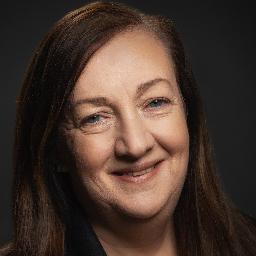
Kathryn Taylor
BACP
12 years in practice
Experienced counsellor with workplace insight
- Stress, Anxiety
- Relationship
- Self esteem
UK counselling directory
1,132 counsellors list phobias among the things they work with. All offer sessions online, and every profile shows the registering body, the membership number and when it runs to.
This directory lists counsellors and therapists in the UK who specialise in phobias and specific fears. Browse the listings below to compare approaches, qualifications, languages and experience that may fit your needs.
BACP
12 years in practice
Experienced counsellor with workplace insight
BACP
5 years in practice
Calm, practical support for stressful times
BACP
10 years in practice
Experienced person-centred therapist
BACP
3 years in practice
Empathic client-centred counselling for trauma and life change
BACP
6 years in practice
Thoughtful person-centred counselling
BACP
5 years in practice
Compassionate practical support for change
BACP
3 years in practice
Practical counselling for stress and trauma
BACP
3 years in practice
Practical, compassionate counselling for trauma and stress
BACP
5 years in practice English, Welsh
Trauma-aware counsellor using practical therapies
BACP
3 years in practice
Compassionate counsellor for trauma and anxiety
5 years in practice English, Polish
Compassionate trauma-informed psychotherapist
NCPS
9 years in practice
Calm, practical counselling for anxious minds
NCPS
5 years in practice English, Mandarin
Gentle, practical support for trauma and stress
BACP
8 years in practice English, Portuguese
Healing through listening and practical support
BACP
7 years in practice English, Greek
Calm, trauma-informed counselling that follows your pace
BACP
3 years in practice
Support for trauma and mood concerns
BACP
6 years in practice
Compassionate counsellor for life changes
NCPS
4 years in practice
Helpful and calm counselling support
BACP, NCPS
3 years in practice
Practical support for trauma and life stresses
BACP
4 years in practice
Experienced trauma-informed counsellor
NCPS
4 years in practice
Compassionate counsellor for practical change
BACP
15 years in practice
Person-centred counsellor with practical CBT skills
NCPS
5 years in practice
Compassionate, practical online counselling
NCPS
5 years in practice
Compassionate support for difficult life moments
BACP
11 years in practice English, Portuguese
Psychodynamic counsellor focused on self-understanding
BACP
6 years in practice
Compassionate counsellor who blends listening and practical skills
NCPS
5 years in practice English, Hebrew
Practical psychotherapy and hypnotherapy for life changes
6 years in practice
Compassionate trauma-aware counsellor
BACP
15 years in practice English, Yoruba
Compassionate counsellor for trauma and relationships
BACP
4 years in practice
Gentle support for trauma, loss and life change
BACP
8 years in practice
Support for relationship and trauma concerns
BACP
7 years in practice
Calm, practical support for trauma and life changes
19 years in practice English, Azerbaijani
Compassionate counselling for stress and trauma
NCPS
4 years in practice
Calm, practical counselling for trauma and relationships
BACP
5 years in practice
Calm, practical trauma-informed counselling
BACP
7 years in practice
Compassionate counselling for trauma and relationships
BACP, NCPS
4 years in practice English, Igbo
Calm, practical counselling for life and relationships
BACP
8 years in practice
Warm, practical counselling for trauma and life stress
BACP
3 years in practice English, Welsh
Compassionate, person-centred counselling for life changes
BACP
5 years in practice
Warm counsellor focused on attachment and healing
NCPS
14 years in practice
Gentle, practical therapy for life changes
BACP
5 years in practice
Compassionate, practical support for life challenges
BACP
4 years in practice
Compassionate trauma-informed counsellor
BACP, NCPS
8 years in practice
Calm-focused trauma-informed counsellor
BACP
10 years in practice
Compassionate counsellor for trauma and stress
BACP
12 years in practice
Empathetic counsellor for trauma and life strain
BACP
6 years in practice
Calm, practical support for stress and trauma
BACP
5 years in practice
Calm practical support for stress and trauma
Some links on this page are partner links. We will earn a commission if you sign up through one, at no cost to you.
Phobias are intense fears of particular objects, situations or activities that are out of proportion to the actual danger involved. They can range from a fear of spiders or heights to worries about flying, enclosed spaces or certain social situations. For many people a phobia leads to avoidance - you might arrange your life to steer clear of the trigger, which can limit career choices, social life and daily routines. Even when the feared situation is not directly present, anticipatory anxiety - the worry about encountering it - can be draining and interfere with sleep, concentration and relationships.
Phobias develop in different ways. For some people a single distressing event becomes linked to a particular object or situation. For others a buildup of negative experiences, learned reactions from family or cultural messages about danger, or general tendencies to experience high anxiety can play a part. Whatever the path, the common feature is that the fear causes distress and gets in the way of the life you want to lead. Therapy for phobias is focused on reducing that distress and helping you regain control over situations that currently feel overwhelming.
You may be considering therapy if your fear regularly causes you to avoid places or activities that matter to you. Avoidance can take many forms - changing routes, declining invitations, rearranging work or travel plans - and can become so ingrained it feels normal. If you notice panic-like symptoms when you cannot avoid the trigger - such as rapid heartbeat, sweating, shaking, shortness of breath or an urgent need to leave - that is another sign a phobia is affecting your wellbeing. You might also experience intense worry in the hours or days leading up to an event where the feared object or situation could appear.
Beyond immediate physical reactions, phobias can shape your thoughts and beliefs. You may have persistent negative predictions about what will happen, strong feelings of helplessness or a sense that you must control every situation to stay safe. If these patterns are restricting your choices or creating conflict with family, friends or colleagues, working with a counsellor or therapist can help you explore alternatives and build different responses. Many people seek help not only to reduce fear but to improve confidence, regain freedom of movement and restore enjoyment in activities they have given up.
When you begin work with a counsellor or therapist for a phobia, the first stage is usually an assessment conversation. You will be invited to describe the fear, how it affects your life, and your goals for therapy. This helps the therapist understand patterns of avoidance, the triggers that provoke distress and any other factors - such as past experiences or general anxiety - that are relevant. You and the therapist can then agree on realistic goals and a flexible plan for sessions.
Therapy for phobias often involves learning practical tools as well as gradually facing fears in a supportive way. Sessions can include discussions about how thoughts, feelings and behaviours interact, practical techniques to calm your nervous system and step-by-step plans for exposure to feared situations. Homework is commonly part of the process because practising skills between sessions helps change habitual reactions. Over time you should expect increased confidence in managing fear, even if progress includes setbacks. A skilled counsellor will pace interventions to match your readiness and will review progress so the plan stays relevant to the results you want.
There are several therapeutic approaches that people commonly seek for phobias. Many counsellors and therapists list cognitive behavioural therapy, which focuses on identifying and changing unhelpful thought patterns and gradually changing behaviour through planned exposure. Others list exposure-based work as a central component, which might involve imagined exposure, in-session exercises or real-world steps taken progressively to reduce avoidance and intolerance of anxiety. Acceptance-based approaches focus on shifting your relationship with fear so it has less control over your choices, teaching you to act in line with your values despite uncomfortable feelings.
Some therapists list eye movement desensitisation and reprocessing among their approaches, while others include psychodynamic or emotion-focused work that explores how past experiences relate to current fears. Mindfulness and relaxation techniques are also commonly offered to help manage the physical signs of anxiety during exposure. It is important to remember that seeing an approach listed does not guarantee a particular level of training in that method. When you review profiles in this directory you can note which approaches are mentioned and use that information to ask therapists about how they would work with your specific fear.
Online therapy has become a commonly used way to address phobias and can be particularly useful if travel to an appointment is difficult because of avoidance or if local options are limited. Sessions are typically conducted via video call or telephone, allowing you to work from a setting where you feel comfortable while still accessing specialist help. Therapists who work online can guide you through relaxation and grounding techniques, coach you during exposure exercises and support you in reflecting on what happens between sessions. Many people find the ability to practise real-world exposures immediately after a video session helpful because the therapist can talk through the steps and help process how each attempt felt.
It is also possible to combine online and face-to-face work where appropriate, for example doing assessment and planning online and conducting some exposure tasks in person. If you choose online sessions, check that the therapist explains how they handle practical matters like session length, fees, cancellation policy and communication between appointments. Clear information about these matters helps you decide whether the practical arrangements fit your life.
Start by looking for registration with recognised UK bodies such as BACP, HCPC or NCPS, as registration indicates adherence to professional standards and ongoing supervision. Read profiles for information about how therapists describe their approach to phobias - some will emphasise gradual exposure and skill-building, while others may focus on exploring underlying emotional patterns. Note any languages offered and any experience working with particular populations, such as children, teenagers or workplace-related fears, if that matters to you.
Consider the practical match as well. Think about whether you prefer a therapist who works online, in-person locally or both, the typical session length and whether they outline a likely number of sessions or offer short-term and long-term programmes. It is reasonable to ask potential therapists about their experience working with your kind of fear and how they would structure the first few sessions. Trust your sense of rapport - the relationship you feel with a therapist is an important part of effective work. Finally, check fees and payment methods so there are no surprises and that the financial arrangements fit your situation.
Making the decision to look for help is a meaningful step. With an understanding of how phobias operate, what therapy can involve and how different approaches work, you can use the listings below to find counsellors and therapists who match your needs and preferences. If you are unsure where to begin, look for profiles that mention relevant approaches, registration with UK bodies and client-focused descriptions of how they work with fear and avoidance.