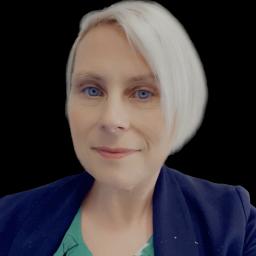
Lucy Nicolaysen
BACP
6 years in practice
Trauma-informed, attachment-focused counsellor
- Relationship
- Family
- Trauma and abuse
UK counselling directory
1,435 counsellors list ocd among the things they work with. All offer sessions online, and every profile shows the registering body, the membership number and when it runs to.
This page lists counsellors and therapists who specialise in obsessive-compulsive disorder (OCD). Read profiles to compare therapeutic approaches, credentials and experience, then browse the listings below to find someone who may suit your needs.
BACP
6 years in practice
Trauma-informed, attachment-focused counsellor
BACP
3 years in practice
Compassionate counsellor for trauma and stress
BACP
5 years in practice
Calm, practical support for stressful times
BACP
10 years in practice
Experienced person-centred therapist
BACP
4 years in practice
Compassionate counsellor for trauma and life change
BACP
6 years in practice
Thoughtful person-centred counselling
BACP
5 years in practice
Compassionate practical support for change
BACP
7 years in practice
Supportive counsellor for trauma and anxiety
BACP
3 years in practice
Practical counselling for stress and trauma
BACP
3 years in practice
Practical, compassionate counselling for trauma and stress
BACP
4 years in practice
Experienced relational counsellor focused on healing
NCPS
15 years in practice
Compassionate counsellor for trauma and stress
BACP
5 years in practice
Person-centred counsellor focusing on anxiety and stress
BACP
5 years in practice English, Welsh
Trauma-aware counsellor using practical therapies
BACP
3 years in practice
Compassionate counsellor for trauma and anxiety
5 years in practice English, Polish
Compassionate trauma-informed psychotherapist
NCPS
9 years in practice
Calm, practical counselling for anxious minds
NCPS
5 years in practice English, Mandarin
Gentle, practical support for trauma and stress
BACP
4 years in practice
Compassionate counsellor for trauma and relationships
BACP
8 years in practice English, Portuguese
Healing through listening and practical support
BACP
7 years in practice English, Greek
Calm, trauma-informed counselling that follows your pace
BACP
3 years in practice
Support for trauma and mood concerns
BACP
6 years in practice
Compassionate counsellor for life changes
BACP, NCPS
3 years in practice
Practical support for trauma and life stresses
HCPC
16 years in practice English, Portuguese
Calm, experienced psychologist who listens and guides
BACP
4 years in practice
Experienced trauma-informed counsellor
NCPS
4 years in practice
Compassionate counsellor for practical change
BACP
5 years in practice
Calm, practical support through loss and life change
BACP, NCPS
3 years in practice
Trauma-informed counsellor focused on personal recovery
NCPS
5 years in practice
Compassionate, practical online counselling
NCPS
5 years in practice
Compassionate support for difficult life moments
BACP
11 years in practice English, Portuguese
Psychodynamic counsellor focused on self-understanding
BACP
6 years in practice
Compassionate counsellor who blends listening and practical skills
BACP
12 years in practice
Calm, trauma-informed counsellor and coach
BACP
19 years in practice
Calm, experienced counsellor for trauma recovery
BACP
20 years in practice
Calm, relational counselling for life changes
NCPS
5 years in practice
Trauma-informed counsellor focusing on practical support
BACP
17 years in practice
Compassionate counselling for trauma and life change
BACP
4 years in practice
Gentle support for trauma, loss and life change
BACP
5 years in practice
Compassionate counsellor for trauma and relationships
BACP
7 years in practice
Calm, practical support for trauma and life changes
19 years in practice English, Azerbaijani
Compassionate counselling for stress and trauma
NCPS
4 years in practice
Calm, practical counselling for trauma and relationships
BACP
5 years in practice
Calm, practical trauma-informed counselling
BACP
7 years in practice
Compassionate counselling for trauma and relationships
BACP, NCPS
5 years in practice English, Albanian
Trauma-aware counsellor using practical therapies
BACP
8 years in practice
Warm, practical counselling for trauma and life stress
BACP
5 years in practice
Warm counsellor focused on attachment and healing
Some links on this page are partner links. We will earn a commission if you sign up through one, at no cost to you.
OCD commonly involves two linked elements: persistent intrusive thoughts or images - often called obsessions - and repetitive actions or mental rituals - called compulsions - that aim to reduce the distress those thoughts cause. Obsessions can take many forms. You might experience intense anxiety about contamination, a fear of harm coming to others, intrusive thoughts of a taboo nature, an overwhelming need for order, or repeated doubts about everyday tasks. Compulsions can be physical behaviours such as checking and hand washing, or mental rituals such as repeating phrases or counting.
The condition can vary widely in how it shows itself and how much it affects day-to-day life. For some people the rituals are time-consuming and interfere with work, relationships and social life. For others the distress comes mainly from the intrusive thoughts themselves and the attempts to suppress them. You may also notice that avoidance becomes part of the pattern - steering clear of places or situations that trigger obsessions. Living with persistent obsessions and compulsions can leave you feeling exhausted, isolated or embarrassed, and it is quite common to experience heightened anxiety or low mood alongside OCD-type difficulties.
You might start to consider therapy if the thoughts, rituals or avoidance behaviours are taking up a large portion of your time or making everyday tasks difficult. If intrusive thoughts lead you to repeat checks, counting, cleaning or reassurance-seeking until you feel relief, and if those behaviours seem hard to control even when you do not want them, that can indicate the condition is affecting your quality of life. Other signals include difficulty concentrating due to preoccupation with intrusive material, strained relationships because others do not understand your behaviour, or withdrawing from work, study or social activities to avoid triggers.
It is also common to notice that attempts to cope on your own are not bringing lasting change. You may have tried distraction, avoidance or self-help books without the improvement you hoped for. When distress is persistent or getting worse, or when it is causing problems with day-to-day responsibilities, it is reasonable to look into therapy. Seeking support is about finding ways to manage symptoms and live in line with your values rather than eliminating every uncomfortable thought.
When you begin therapy for OCD, a counsellor or therapist will typically start by asking you about the patterns of thoughts and behaviours you notice, how they affect your life and what you would like to change. Sessions often involve collaborative goal-setting so that you and the therapist have a shared sense of what success looks like. Many people find it helpful when the therapist explains the ways in which avoidance and ritual behaviours maintain distress, and works with you to develop a clear plan of work that feels manageable.
Therapy often involves learning new strategies that you will practise between sessions. These might include developing experimental ways to respond to intrusive thoughts, using techniques to tolerate distress without immediately performing rituals, and building up exposure tasks in a step-by-step way so that what once felt overwhelming becomes more manageable. You can expect sessions to balance teaching and practice with time to reflect on what feels difficult. Over the course of a programme, relapse prevention and planning for setbacks are usually addressed so you have tools to draw on if symptoms re-emerge later.
There are a number of approaches that therapists list when working with people who have OCD-type difficulties. Cognitive-behavioural therapy, and in particular exposure and response prevention, is often mentioned as an approach for obsessive and compulsive patterns. Exposure and response prevention involves gradually facing feared situations or thoughts while resisting the urge to carry out the ritual response, so that the anxiety associated with the thought can reduce over time. Other therapists list acceptance and commitment therapy (ACT) among their approaches, which emphasises noticing thoughts and feelings without letting them dictate your actions and clarifying personal values to guide behaviour.
Some counsellors reference psychodynamic approaches that explore how patterns of thought and behaviour developed over time and what they mean for your relationships and sense of self. You will also see therapists who list approaches such as mindfulness-based work, schema-focused methods, or trauma-informed frameworks among their descriptions. It is common for a therapist to combine elements from different approaches. When you review profiles, you may notice abbreviations or names of modalities; these indicate the approaches the therapist lists, and you can ask them directly about how they apply those ideas in sessions and what their experience is working with OCD.
When considering professional standards, you may prefer counsellors or therapists who are registered or accredited with recognised UK bodies such as the BACP, HCPC or NCPS. Registration indicates that a practitioner meets certain professional and ethical expectations and engages in ongoing professional development. Profiles often include this information so you can see how a therapist describes their background and professional memberships.
Online therapy for OCD is commonly offered by counsellors and therapists who list remote or video sessions among their modes of work. Sessions typically take place over video or telephone and can follow a similar structure to face-to-face work - assessment, collaborative planning, session work and between-session practice. Online sessions can make it easier to access therapists across the UK, and they may be particularly useful if travelling to appointments would be difficult or if you prefer talking from home. Some people find that practising exposures in their own environment with a therapist online can feel especially relevant to real-life situations.
Choosing the right therapist for OCD involves a mixture of practical and personal considerations. Start by looking at profiles for practitioners who explicitly list OCD, obsessive thoughts or compulsive behaviours among their focus areas. Note the therapeutic approaches they list and whether those approaches align with what you feel comfortable trying. Check professional registration with bodies such as the BACP, HCPC or NCPS, and look for information about years of practice, population groups worked with and languages offered. It is reasonable to contact a therapist to ask about typical session structure, how they support between-session practice and whether they work with families or partners when that is relevant.
Practical matters such as fees, session length and cancellation policies are important to consider so you understand the commitment involved. You may also want to reflect on the tone of a therapist's profile and whether their style seems a good match for you - some people prefer a direct, structured approach while others value a gentler, exploratory style. If you choose online work, make sure you have a quiet and comfortable space where you can speak openly during sessions and a plan for responding to strong emotions between appointments. Ultimately, the right match is one where you feel able to work on difficult material with professional support and where the therapist’s stated approach and experience fit what you hope to achieve.
If you are considering therapy for OCD, reading therapist profiles and learning about different approaches can help you decide which practitioners to contact. Therapy is a collaborative process, and finding someone whose approach and professional registration align with your needs can make it easier to commit to the practical work involved. When you are ready, use the listings above to explore counsellors and therapists who specialise in OCD and reach out to discuss whether their approach is right for you.