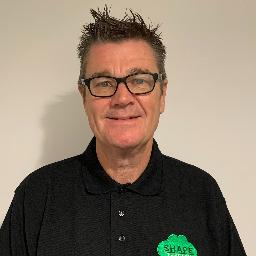
Kathryn Taylor
BACP
12 years in practice
Experienced counsellor with workplace insight
- Stress, Anxiety
- Relationship
- Self esteem
UK counselling directory
661 counsellors list Motivational Interviewing among the ways they work. Naming an approach is not evidence of training in it, so ask directly how they use it.
Motivational Interviewing is a collaborative approach that helps people explore ambivalence and strengthen motivation to make meaningful changes. Below you can browse counsellors who list Motivational Interviewing among their approaches and view their profiles.
BACP
12 years in practice
Experienced counsellor with workplace insight
BACP
4 years in practice
Kind, practical therapist for life changes
BACP, NCPS
5 years in practice English, Greek
Calm, practical trauma-informed counselling
BACP
4 years in practice
Practical, compassionate counselling for life changes
BACP
3 years in practice
Practical counselling for stress and trauma
BACP
3 years in practice
Practical, compassionate counselling for trauma and stress
BACP
8 years in practice
Gentle, practical counselling for complex problems
BACP
5 years in practice
Person-centred counsellor focusing on anxiety and stress
BACP
5 years in practice English, Welsh
Trauma-aware counsellor using practical therapies
5 years in practice English, Polish
Compassionate trauma-informed psychotherapist
NCPS
9 years in practice
Calm, practical counselling for anxious minds
BACP
7 years in practice English, Greek
Calm, trauma-informed counselling that follows your pace
BACP
19 years in practice
Compassionate counsellor guiding trauma recovery
HCPC
16 years in practice English, Portuguese
Calm, experienced psychologist who listens and guides
6 years in practice
Trauma-informed counsellor focused on practical recovery
BACP
4 years in practice
Experienced trauma-informed counsellor
BACP
14 years in practice
Practical, person-focused help for trauma and loss
10 years in practice
Calm, practical support for trauma and life changes
BACP
5 years in practice
Compassionate therapist for trauma and life changes
BACP
3 years in practice
Compassionate, practical counselling for trauma and anxiety
NCPS
5 years in practice
Compassionate trauma-aware counsellor for adults
BACP
15 years in practice English, Yoruba
Compassionate counsellor for trauma and relationships
BACP
27 years in practice English, Punjabi
Experienced counsellor for trauma and relationships
BACP
12 years in practice English, Yoruba
Gentle person-centred counselling for change
BACP
8 years in practice
Support for relationship and trauma concerns
BACP
5 years in practice
Compassionate counsellor for trauma and relationships
BACP
7 years in practice
Calm, practical support for trauma and life changes
NCPS
4 years in practice
Calm, practical counselling for trauma and relationships
BACP
5 years in practice
Calm, practical trauma-informed counselling
NCPS
3 years in practice
Calm guidance through trauma and life change
BACP, NCPS
4 years in practice English, Igbo
Calm, practical counselling for life and relationships
BACP, NCPS
5 years in practice English, Albanian
Trauma-aware counsellor using practical therapies
BACP
16 years in practice
Experienced trauma-aware counsellor
NCPS
14 years in practice
Gentle, practical therapy for life changes
3 years in practice English, Polish
Calm, practical counselling for healing and change
BACP
4 years in practice
Compassionate trauma-informed counsellor
37 years in practice English, Hindi
Compassionate trauma-aware counsellor
BACP
10 years in practice
Compassionate counsellor for trauma and stress
BACP
5 years in practice
Trauma-informed counsellor focused on practical change
BACP
5 years in practice
Compassionate counsellor with lived recovery experience
NCPS
6 years in practice
Calm-guided online counselling for practical change
BACP
13 years in practice
Compassionate counsellor for trauma and recovery
BACP
5 years in practice
Compassionate practical support for everyday struggles
BACP
5 years in practice
Trauma-informed clinician with a practical focus
BACP
6 years in practice English, Urdu
Compassionate trauma-informed counselling
NCPS
4 years in practice
Practical, person-focused therapy for trauma and stress
BACP
15 years in practice
Compassionate counsellor for relationship and trauma concerns
BACP
5 years in practice
Compassionate counselling focused on change
Some links on this page are partner links. We will earn a commission if you sign up through one, at no cost to you.
Motivational Interviewing, often shortened to MI, is a conversational style that aims to help you articulate and strengthen your own reasons for change. It is built on the idea that motivation for change is not something that can be imposed from outside but is more likely to emerge when you feel heard, understood and able to weigh your options. The approach emphasises collaboration rather than confrontation, asking open questions, reflecting what you say and summarising to help you notice your own motivations and concerns.
At the heart of MI is a respectful stance that values your autonomy and expertise about your life. Rather than telling you what to do, a counsellor who uses MI will aim to guide you through a process of exploring your goals and the barriers you face. This spirit is evident in the focus on partnership - you and the counsellor work together - and in an empathetic listening style that seeks to reduce resistance and defensiveness. The counsellor's role is to elicit and amplify your own arguments for change, often called change talk, while gently exploring any ambivalence.
During sessions you will often experience a conversational rhythm based on open questions, reflective listening and selective summarising. The counsellor may offer information or suggestions, but usually in a tentative and invitational way so you can decide whether it fits with your thinking. You may be invited to consider pros and cons, to imagine possible futures, or to rate your readiness to change. These techniques are intended to support insight and commitment without pressure.
Motivational Interviewing is commonly used when change is difficult because you feel uncertain or conflicted. People come for support with a wide range of concerns where ambivalence can slow progress, including changes to health behaviours, such as improving sleep, managing alcohol or substance use, or adopting new exercise and diet routines. It is also used to support engagement with other therapeutic or medical programmes by helping you clarify what you want from treatment and how to make it fit your life.
Beyond health behaviour, MI can help with adherence to practical plans such as medication regimes or therapeutic homework. It is often combined with other approaches to help you move from thinking about change to taking concrete steps. The emphasis on listening and personal motivation makes MI relevant when decisions affect your relationships, work or personal safety, and when you want to increase your confidence for long-term change.
A typical session tends to be conversational rather than directive. At the start you and the counsellor will usually set an agenda together, establishing what you would like to focus on and what feels most important. The counsellor will ask open questions to invite you to describe your situation and your mixed feelings, and will reflect back what they hear to help you notice patterns and priorities. You should expect to do most of the talking, with the counsellor listening attentively and occasionally summarising to check understanding.
As the session progresses the counsellor may explore your values and long-term goals to help you see how potential changes align with what matters to you. You may be invited to rate your confidence and readiness for a particular change and to explore what would increase those ratings. Towards the end of a session you and the counsellor might identify small, achievable steps you feel willing to try, or agree areas to revisit in a subsequent meeting. The pace is tailored to you, and you always have a central role in deciding what happens next.
Motivational Interviewing differs from more directive or technique-driven therapies in its emphasis on eliciting your own motivations rather than prescribing solutions. Compared with cognitive-behavioural approaches, MI focuses less on teaching specific skills or challenging thoughts in the early stages and more on resolving ambivalence so you are ready to engage with other interventions if needed. It is compatible with other models and is often used as a first step to increase your openness to change-oriented programmes.
Compared with person-centred counselling, MI shares a respectful, empathic stance but places a clearer emphasis on moving toward change by identifying and strengthening change talk. Where some therapies may set homework or practice tasks as a central feature, MI prioritises your readiness and only encourages tasks when they feel achievable and aligned with your own goals. The result is an approach that aims to balance understanding with gentle directional guidance towards self-determined change.
You might find Motivational Interviewing helpful if you are wrestling with mixed feelings about a change you know you want or need to make. If part of you wants things to be different but another part is holding back, MI can help you explore that tension without judgement. This makes it suitable when the main barrier is uncertainty or low motivation rather than a lack of practical skills. It can also support people who want to increase their readiness for further therapy or for participation in a health or behaviour-change programme.
When you look through profiles on a directory, pay attention to how each counsellor describes their approach and the issues they specialise in. Many counsellors will note the populations they work with and whether they practise online, in person or a blend of both. Look for descriptions that explain how Motivational Interviewing is used in their work - for example, whether it is a central method or an approach they integrate with others - and consider whether that matches the kind of support you want.
Think about practical factors such as the counsellor's registration or accreditation, the languages they work in and the kinds of clinical experience they describe. Initial contact or an introductory conversation can help you judge whether their style feels collaborative and respectful of your choices. You may want to ask how they typically structure sessions, what a short-term plan might look like and how they work with goals and setbacks. Trusting your response to their approach is an important part of finding a match.
Choosing a counsellor is a personal process and it is reasonable to take time exploring profiles and reading how therapists present their practice. Motivational Interviewing can be a useful way to begin moving from uncertainty to action, and finding a counsellor whose communication style feels encouraging and non-judgemental can make that process feel more manageable.