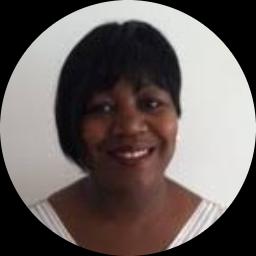
About Barbara
Dr. Barbara Howard-Hunt uses trauma-informed care alongside practical talking therapies to help people manage distressing experiences. She aims to make the first step feel manageable and offers calm, steady support during difficult times.
Dr. Barbara holds NCPS and brings six years of professional experience in the United Kingdom. She helps people facing stress and anxiety by breaking worries into smaller, workable parts.
For trauma and abuse she encourages pacing and clear, gentle planning so difficult memories do not become overwhelming.
Background and approach
Sessions focus on what matters to the person and on small changes that feel achievable. Workplace worries, career decisions and low self-esteem are approached with straightforward tools. Dr.
Barbara uses a mix of thought-focused techniques and values-based work to help people clarify goals and boost confidence. She also talks through relationship strain, anger and mood concerns in simple, practical terms. Her practice pays attention to cultural background and feelings of isolation.
People concerned with guilt, shame, forgiveness or life purpose are offered space to untangle those issues at their own pace. Panic attacks, social anxiety and seasonal mood shifts are treated with clear steps to reduce immediate distress and build longer term coping. Sessions are conversational and centred on the person’s priorities.
The focus is on realistic actions, steady emotional support and making progress that fits everyday life.
Details from the counsellor's public professional profile · registration number listed
← Browse all counsellorsRegistration
| Body | Registration number | Expires |
|---|---|---|
| NCPS | NCS18-06492 | October 2026 |
Registration details are as listed on the counsellor's public profile. You can check any number with the registering body.
Sessions and payment
Sessions are held online through our partner platform, by video, phone or messaging depending on the counsellor.
Cost Costs are shown on the partner platform before you commit. If cost is a concern, ask about reduced-fee options.
Focus areas and approaches
Everything Barbara lists on their public professional profile, in their own terms.
- Stress, Anxiety
- Trauma and abuse
- Self esteem
- Career difficulties
- Coaching
- Relationship issues
- Family conflicts
- Anger management
- Depression
- Forgiveness
- Guilt and shame
- Isolation / loneliness
- Life purpose
- Multicultural concerns
- Panic disorder and panic attacks
- Post-traumatic stress
- Seasonal Affective Disorder (SAD)
- Self-love
- Social anxiety and phobia
- Women's issues
- Workplace issues
Ways of working Barbara names
- Acceptance and Commitment Therapy (ACT)
- Attachment-Based Therapy
- Client-Centred Therapy
- Cognitive Behavioural Therapy (CBT)
- Hypnotherapy
- Motivational Interviewing
- Narrative Therapy
- Solution-Focused Therapy
- Trauma-Focused Therapy
Naming an approach is not evidence of training in it. This directory copies what each counsellor lists and does not check training records.
Therapy approaches and online options that fit your life
Dr. Barbara combines trauma-focused approaches with Acceptance and Commitment Therapy and attachment-based ideas to guide online work. Trauma-focused therapy helps people process distressing events at a careful, managed pace and is used when past experiences affect daily life. Acceptance and Commitment Therapy (ACT) emphasises values and small, practical steps to move towards a meaningful life despite difficult thoughts and feelings. Attachment-based ideas look at how past relationships influence current patterns and help people build safer ways of relating.Choosing the right approach is a collaborative process. The therapist will talk through your goals and preferences and recommend methods that suit your situation. Sessions may blend these approaches so work stays relevant and realistic for you.
Online therapy is offered by video calls, phone sessions, live chat or text-based messaging to make sessions easier to fit into busy lives. Video is useful for full conversations and face-to-face contact. Phone sessions can be easier when bandwidth is limited or you prefer not to be on camera. Live chat and text messaging offer shorter check-ins or ongoing written support between longer sessions. These options aim to give flexibility while keeping the focus on practical progress.
Frequently asked
What issues does she commonly address?
She supports people with stress, anxiety, trauma and abuse, low self-esteem, depression, anger and workplace problems, among other concerns.
What style of therapy can I expect?
Sessions are conversational and person-centred, combining practical strategies with values-focused work and pacing for trauma-related material.
How much clinical experience does she have?
She has six years of professional experience working with a range of emotional and practical difficulties in the United Kingdom.
What qualifications does she hold and where is she based?
She holds NCPS and practises in the United Kingdom.
Which languages are offered for sessions?
Sessions are offered in English.
Can people outside the UK work with her?
She does not accept international clients at this time.
What formats are available for sessions?
Sessions can be held via video calls, phone sessions, live chat or text-based messaging depending on preference.
How do I begin therapy with her?
Begin by selecting the Start Therapy button, completing the short matching questionnaire and then scheduling sessions according to therapist availability.
More counsellors who work with Stress, Anxiety
See all
Kathryn Taylor
BACP
12 years in practice
Experienced counsellor with workplace insight
- Stress, Anxiety
- Relationship
- Self esteem
Lucy Nicolaysen
BACP
6 years in practice
Trauma-informed, attachment-focused counsellor
- Relationship
- Family
- Trauma and abuse

Matthew Bridge
BACP
3 years in practice
Compassionate counsellor for trauma and stress
- Stress, Anxiety
- LGBT
- Relationship