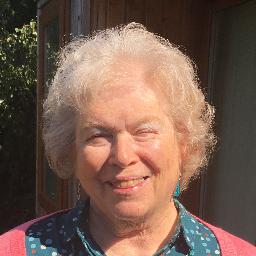
Caroline Scol
BACP, NCPS
24 years in practice
Experienced counsellor focusing on trauma and relationships
- Relationship
- Trauma and abuse
- Parenting
UK counselling directory
864 counsellors list disaster relief therapy among the things they work with. All offer sessions online, and every profile shows the registering body, the membership number and when it runs to.
Explore counsellors who specialise in disaster relief therapy across the UK. Use the listings below to review approaches, credentials and areas of experience so you can find a practitioner who suits your needs.
BACP, NCPS
24 years in practice
Experienced counsellor focusing on trauma and relationships
BACP
4 years in practice
Kind, practical therapist for life changes
BACP
10 years in practice
Experienced person-centred therapist
BACP
6 years in practice
Thoughtful person-centred counselling
BACP
5 years in practice
Compassionate practical support for change
BACP
7 years in practice
Supportive counsellor for trauma and anxiety
BACP
7 years in practice
Calm practical support for trauma recovery
BACP
3 years in practice
Practical, compassionate counselling for trauma and stress
BACP
4 years in practice
Experienced relational counsellor focused on healing
BACP
5 years in practice
Person-centred counsellor focusing on anxiety and stress
BACP
5 years in practice English, Welsh
Trauma-aware counsellor using practical therapies
5 years in practice English, Polish
Compassionate trauma-informed psychotherapist
NCPS
9 years in practice
Calm, practical counselling for anxious minds
BACP, NCPS
5 years in practice English, Lithuanian
Warm, practical trauma-aware counsellor
BACP
3 years in practice
Support for trauma and mood concerns
NCPS
4 years in practice
Compassionate counsellor for practical change
BACP
5 years in practice
Calm, practical support through loss and life change
BACP, NCPS
3 years in practice
Trauma-informed counsellor focused on personal recovery
BACP
5 years in practice
Compassionate therapist for trauma and life changes
BACP
10 years in practice English, Mandarin
Calm, practical counselling for life’s hard moments
NCPS
5 years in practice
Compassionate support for difficult life moments
BACP
6 years in practice
Compassionate counsellor who blends listening and practical skills
BACP
12 years in practice
Calm, trauma-informed counsellor and coach
BACP
19 years in practice
Calm, experienced counsellor for trauma recovery
BACP
9 years in practice
Compassionate trauma-aware counsellor
HCPC
5 years in practice
Practical therapy for life’s bigger challenges
BACP
4 years in practice
Gentle support for trauma, loss and life change
BACP
13 years in practice
Compassionate person-centred counselling for trauma recovery
NCPS
4 years in practice
Calm, practical counselling for trauma and relationships
BACP
5 years in practice
Calm, practical trauma-informed counselling
BACP, NCPS
4 years in practice English, Igbo
Calm, practical counselling for life and relationships
BACP
3 years in practice English, Welsh
Compassionate, person-centred counselling for life changes
BACP
16 years in practice
Experienced trauma-aware counsellor
BACP
4 years in practice
Compassionate trauma-informed counsellor
37 years in practice English, Hindi
Compassionate trauma-aware counsellor
BACP
10 years in practice
Compassionate counsellor for trauma and stress
BACP
5 years in practice
Calm practical support for stress and trauma
BACP
3 years in practice
Calm, practical support for trauma and change
BACP
5 years in practice
Trauma-informed counsellor focused on practical change
BACP
3 years in practice
Gentle, practical support for trauma and anxiety
NCPS
6 years in practice
Calm-guided online counselling for practical change
40 years in practice
Experienced relational therapist
BACP
5 years in practice
Practical, client-centred counselling for life’s difficulties
BACP
6 years in practice English, Swahili
Trauma-informed relational counsellor
BACP
5 years in practice
Compassionate practical support for everyday struggles
BACP
5 years in practice
Trauma-informed clinician with a practical focus
BACP
6 years in practice English, Urdu
Compassionate trauma-informed counselling
NCPS
4 years in practice
Practical, person-focused therapy for trauma and stress
Some links on this page are partner links. We will earn a commission if you sign up through one, at no cost to you.
Disaster relief therapy is focused on the emotional and psychological consequences that follow natural catastrophes, technological incidents, major accidents and other large-scale traumatic events. When a community experiences flooding, wildfire, earthquake, industrial accident or prolonged disruption, the impact is not only physical. You may face grief for lost possessions or loved ones, upheaval to routines, displacement from home, financial pressure and a sense of threat that lingers long after the event. These experiences often interact with pre-existing stressors and can compound feelings of anxiety, numbness and overwhelm.
The work of disaster relief therapy is to help individuals and communities process these experiences and regain a sense of stability. For some people the immediate response is intense but short-lived; for others the emotional response can persist and affect day-to-day functioning. Community-level factors - such as social support, access to practical resources and the pace of recovery efforts - will shape how you and those around you respond. Therapy in this context may address practical coping, grief and loss, traumatic memories, disruption to relationships, and the ongoing stress of rebuilding.
It can be hard to know whether what you are feeling is a normal reaction to an abnormal event or something that would benefit from professional support. You might find that intrusive thoughts or images about the event keep returning and interfere with sleep or concentration. You may experience heightened startle responses, persistent low mood, or a sense of detachment from people and activities that used to matter. Avoidance of reminders of the disaster - such as places, conversations or media coverage - can also signal that the experience is affecting you more than you would expect.
Practical signs include trouble sleeping, changes in appetite, increased use of alcohol or other substances to cope, and difficulty managing work or caring responsibilities. Young people and older adults sometimes show different patterns - young children may become more clingy or regress in certain behaviours, while older adults might report increased confusion or withdrawal. If your relationships are strained, or if you notice a decline in your ability to carry out daily tasks, these are valid reasons to explore therapeutic support. You do not need to wait until symptoms become severe; early help can reduce distress and support recovery.
When you begin working with a counsellor or therapist for disaster-related distress, the initial sessions usually focus on understanding the history of what happened and how it affects you now. You and the practitioner will discuss immediate needs, any safety concerns and practical matters such as how therapy will run. Many people find it helpful when the early phase combines listening to your story with practical coping strategies - grounding techniques to manage overwhelm, breathing and sleep hygiene suggestions, and steps to reduce day-to-day stressors.
As the work develops you may engage in different tasks depending on what helps you most. Some people need time to consolidate a feeling of safety and routine before exploring painful memories. Others benefit from talking through the event and its meaning, working on grief and loss, or building skills to manage anxiety and intrusive memories. Group-based work can also play a role when the needs are communal - community recovery sessions, peer support groups and workshops aim to restore social connections and shared coping resources. Throughout, expect a collaborative process: you and the therapist will shape the focus and pace so that it fits your needs and cultural context.
Therapists use a range of approaches when supporting people after disasters, and it helps to know how those approaches are described in practitioner profiles. You may encounter therapists who list cognitive-behavioural therapy, narrative approaches, person-centred practice, or acceptance and commitment methods among their approaches. Some practitioners mention EMDR among their approaches, while others highlight group work or family-focused interventions. These descriptions indicate the way a therapist prefers to work rather than a guarantee of a particular certification.
A pragmatic orientation is common in disaster work: clinicians often combine psychological care with attention to practical needs and liaison with other services. For example, a practitioner might help you develop strategies for managing anxiety while also suggesting routes to housing, benefits or community resources. Where trauma processing is part of treatment, it is usually integrated with stabilisation - practical steps to reduce distress - and tailored to your pace. If you have particular cultural or language needs, many therapists note that on their profiles; matching those aspects of care can make the therapeutic relationship more effective for you.
Online therapy has become a widely used option in the UK and can be particularly useful in disaster contexts where transport, displacement or local service disruption limit in-person contact. If you choose remote work, sessions are typically delivered by video call, telephone or text-based messaging according to what you and the therapist agree. You will want to find a quiet and quiet space for sessions so you can speak openly, and it is helpful to check what technical setup is needed - such as a stable internet connection, a charged device and familiarity with the chosen platform - before you begin.
Remote therapy can allow you to connect with a therapist who has specific experience in disaster-related issues, even if they are not in your immediate area. It also supports continuity of care if you are displaced or relocating during recovery. Many therapists will explain how they handle notes and data, and you should feel able to ask about how your information is managed and stored. Online work still relies on the same ethical frameworks as face-to-face practice, and you can expect the therapist to discuss boundaries, appointment times and what to do in an emergency or if you need immediate help between sessions.
Choosing a therapist is a personal decision and involves more than a single factor. Start by reading practitioner profiles to see whether they mention experience with disasters, community recovery or related specialisms, and pay attention to the ways they describe their approach. Check that a counsellor or psychotherapist is registered with a recognised UK body - for example BACP, HCPC or NCPS - so you know they adhere to professional standards. Registration gives you a point of reference for professional conduct and ethical frameworks.
Consider practical matters such as the populations the therapist works with - children, adults, families or first responders - and the languages in which they provide therapy. It is reasonable to ask how they work with disaster-related issues, what an initial assessment would cover and whether they collaborate with other agencies such as local health services or voluntary organisations. Trust and rapport are central to effective work, so notice how you feel when you read a profile or have an introductory conversation. Finally, be clear about fees, session length and how to handle cancellations before you begin. Taking time to match these elements to your needs will help you find a practitioner who can support your recovery and resilience.