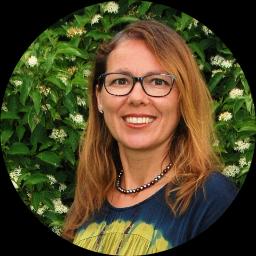
Elisabeta Oltean
BACP
6 years in practice English, Romanian
Calm, practical support for stressful times
- Stress, Anxiety
- Relationship
- Family
UK counselling directory
28 counsellors in this directory name Romanian among the languages they offer sessions in.
Accessing therapy in Romanian can help you express emotions and cultural nuances more naturally. Browse the Romanian-speaking therapists listed below to review approaches, qualifications and focus areas that may match your needs.
BACP
6 years in practice English, Romanian
Calm, practical support for stressful times
BACP
8 years in practice English, Romanian
Experienced counsellor for trauma and stress
BACP
8 years in practice English, Romanian
Compassionate therapist for practical change
BACP
11 years in practice English, Romanian
Compassionate counsellor for trauma and relationships
BACP, NCPS
4 years in practice English, Romanian
Helping people rebuild after stress or trauma
BACP, NCPS
7 years in practice English, Romanian
Trauma‑aware counsellor focused on practical progress
BACP
13 years in practice English, Romanian
Experienced BACP counsellor for trauma and stress
BACP
14 years in practice English, Romanian
Existential, trauma-aware psychotherapist
BACP, NCPS
12 years in practice English, Romanian
Compassionate counsellor for life changes
NCPS
12 years in practice English, Romanian
Empathetic counsellor focused on practical change
BACP
7 years in practice English, Romanian
Calm practical support for change
BACP
4 years in practice English, Romanian
Warm, trauma-aware counsellor supporting steady change
BACP
10 years in practice English, Romanian
Compassionate counsellor for trauma and loss
NCPS
6 years in practice English, Romanian
Calm, practical therapy focused on recovery
BACP
3 years in practice English, Hungarian
Compassionate counsellor for trauma and relationships
BACP
6 years in practice English, Romanian
Compassionate counsellor for trauma and life stress
BACP
22 years in practice English, Romanian
Practical, experienced support for trauma and life stress
BACP
6 years in practice English, Romanian
Calm, practical support for life and relationships
BACP
5 years in practice English, Romanian
Compassionate, practical therapy for trauma and life change
BACP
6 years in practice English, Romanian
Calm, practical support for emotional challenges
NCPS
20 years in practice English, Romanian
Experienced counsellor for trauma and life change
BACP
3 years in practice English, Romanian
Compassionate trauma-informed counselling
BACP
10 years in practice English, Spanish
Experienced trauma-informed counsellor
BACP
3 years in practice English, Romanian
Supporting steady progress through life changes
BACP
15 years in practice English, French
Experienced integrative counsellor for trauma and life challenges
BACP
3 years in practice English, Romanian
Supportive counsellor for stress and trauma recovery
NCPS
8 years in practice English, Romanian
Practical, collaborative counselling for life’s challenges
NCPS
10 years in practice English, Romanian
Compassionate integrative psychotherapy
Some links on this page are partner links. We will earn a commission if you sign up through one, at no cost to you.
When you speak to a therapist in Romanian, you have the opportunity to use the rhythms, idioms and emotional vocabulary of your first language. That matters because language carries cultural meaning as well as literal content. You may find it easier to describe early memories, family dynamics or subtle feelings when you are not translating in your head. Using your native tongue can reduce friction in conversation and allow the therapeutic exchange to go deeper sooner. It is not simply about convenience - it is about access to nuance. You may notice that metaphors, proverbs or emotional expressions that feel natural in Romanian bring clarity in ways that can be harder to achieve in another language.
For many people the process of healing involves exploring personal and cultural layers of experience. A Romanian-speaking therapist can help you situate those experiences within familiar cultural references and social expectations. That contextual understanding can support discussion of family roles, migration history, identity and community ties. It also helps when you want to explore how cultural messages have shaped your thinking and behaviour. Choosing to work in Romanian is a personal decision; it is about finding the mode of communication that helps you feel understood and able to reflect honestly about challenging topics.
Language barriers can change the pace and depth of therapy. If you are using a second language, you may find yourself relying on simpler vocabulary or avoiding topics that feel linguistically demanding. That can lead to important emotions being left unexpressed or only partially communicated. You might also experience extra mental fatigue from constantly translating, which can reduce your capacity to reflect or process during sessions. All of this can make therapy feel slower or less satisfying.
Beyond vocabulary, there are non-verbal and cultural cues that shape understanding. A therapist who speaks Romanian may be more likely to recognise culturally specific ways of describing emotion, non-literal speech and social expectations. That recognition helps reduce misunderstandings and fosters trust. It is also worth noting that some feelings are entwined with words that do not translate neatly - grief, shame or pride may carry cultural inflection that is easier to explore in Romanian. If you are seeking to address trauma, relationship strain or life transitions, being able to name and examine those feelings in the language where they arose can be important to how you make sense of them.
Online therapy with a Romanian-speaking therapist typically takes place by video call or sometimes by telephone. Sessions may follow a traditional weekly rhythm or be arranged at a pace that suits your circumstances. You can expect to discuss your reasons for seeking help, your background and what you hope to get from counselling. Therapists vary in their approaches, and many list a range of methods on their profiles so you can see which ones they describe. Profiles will often include information about professional registration, areas of interest and languages spoken so you can get a sense of fit before you make contact.
Virtual sessions can feel intimate and focused, and many people find that online work removes geographic constraints so you can connect with someone who speaks Romanian even if you live outside a large city. You should plan to find a quiet, comfortable environment for sessions and to use a reliable internet connection where possible. If you have concerns about managing emotions between appointments, bring these up at the start so you and the therapist can agree on how to handle them. Online therapy can be effective when you have clarity about goals, session structure and how to get support in moments of crisis through local services if needed.
Many Romanian-speaking people worry about stigma or misunderstanding within their communities. Cultural attitudes towards mental health can influence whether you feel comfortable reaching out for help. You may also encounter practical obstacles - for example finding a professional who speaks Romanian, or understanding how different counselling models work in the UK context. It can be hard to know what questions to ask when you first contact a therapist, and that uncertainty can delay seeking support.
Another common concern is navigating differences between cultural expectations and the therapeutic process. If you come from a background where emotional expression was discouraged or where family loyalty is emphasised, you might feel conflicted about discussing personal matters in therapy. Working with a Romanian-speaking practitioner can reduce some of that friction because cultural references and family dynamics are easier to explain. It can also make it easier to explore how migration, workplace stress and identity changes have affected you. Remember that finding the right fit may take time and that it is appropriate to look for a therapist whose approach feels respectful and relatable to your experiences.
Online therapy widens your choices and offers flexibility in scheduling and location. If you live outside major urban centres, you can still connect with a therapist who uses Romanian for therapy. This broader access allows you to focus on finding a practitioner whose approach, registration and areas of interest match what you need rather than being limited by geography. Another benefit is that online sessions can be easier to fit around work or family commitments, and they allow you to engage from a setting where you feel comfortable and calm.
When choosing a Romanian-speaking therapist, consider what matters most to you. Think about the type of support you want - whether you are looking to process trauma, manage anxiety, work through relationship issues or explore identity. Look at therapist profiles to see which areas they highlight and which approaches they list. Check for professional registration or accreditation noted on profiles so you can feel confident about the practitioner's standing within UK professional bodies. It can help to prepare a few questions before you make contact, such as how they describe the therapeutic process, what a typical session looks like and how they work with cultural matters. Trust your sense of fit during an initial conversation - the relationship you build with a therapist is central to progress, and feeling understood in your language often plays a big role.
Choosing therapy in Romanian is a practical step towards clearer expression and culturally resonant support. Whether you are new to counselling or returning after a break, speaking your native language can change how you access and use therapy. Take your time to read profiles, consider the approaches therapists list and think about what cultural factors you want to bring into the room. With attention to fit and clear communication about your needs, you can find a Romanian-speaking practitioner who helps you move forward at your pace.