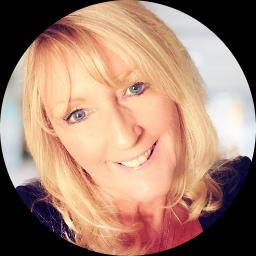
Carole Ward, NCPS
Carole Ward is a psychotherapist who draws on 17 years of practice to help people manage stress, anxiety, trauma and related difficulties.
About Carole
Carole Ward is a psychotherapist who draws on 17 years of practice to help people manage stress, anxiety, trauma and related difficulties. She holds NCPS, which stands for National Counselling and Psychotherapy Society, and offers sessions across the United Kingdom and to international clients.
Carole works online and by phone as well as in person, and she aims to make therapy practical and lasting. Carole treats trauma, abuse and loss with calm focus and straightforward language.
Background and approach
She uses trauma-focused methods alongside attachment-based and client-centred approaches to help people understand patterns and build new ways of coping. Eye Movement Desensitisation and Reprocessing and mindfulness techniques are also part of her toolbox when they suit a person’s situation.
Her background includes work in a wide range of settings, such as mental health wards, refuges, prisons, hospices, learning disability services and charities. Those roles involved mental health support, suicide prevention and coaching, so she is familiar with complex and urgent needs. This breadth has shaped a practical style that aims to meet people where they are.
Carole helps with many concerns beyond trauma and anxiety, including depression, bipolar difficulty, addiction, compassion fatigue, relationship and intimacy issues, parenting and career change. She also supports people dealing with chronic illness, body image, attachment wounds, neurodiversity and sexual diversity topics. Her sessions invite people to name their strengths and use them.
She encourages clear goals and steady progress rather than quick fixes. To begin, clients follow a short matching questionnaire and schedule sessions according to the site process.
Details from the counsellor's public professional profile · registration number listed
← Browse all counsellorsRegistration
| Body | Registration number | Expires |
|---|---|---|
| NCPS | NCS20-00337 | February 2027 |
Registration details are as listed on the counsellor's public profile. You can check any number with the registering body.
Sessions and payment
Sessions are held online through our partner platform, by video, phone or messaging depending on the counsellor.
Cost Costs are shown on the partner platform before you commit. If cost is a concern, ask about reduced-fee options.
Focus areas and approaches
Everything Carole lists on their public professional profile, in their own terms.
- Stress, Anxiety
- Trauma and abuse
- Self esteem
- Bipolar disorder
- Compassion fatigue
- Addictions
- LGBT
- Relationship issues
- Family conflicts
- Grief
- Intimacy-related issues
- Parenting issues
- Anger management
- Career difficulties
- Depression
- Coping with life changes
- Coaching
- ADHD
- Abandonment
- Aging and geriatric issues
- Antisocial personality
- Attachment issues
- Autism and Asperger Syndrome
- BDSM, kink, and alternative sex culture
- Blended family issues
- Body image
- Cancer
- Caregiver issues and stress
- Chronic pain, illness, and disability
- Co-morbidity
- Codependency
- Commitment issues
- Communication problems
- Control issues
- Coping with natural or human-caused disaster
- Dissociation
- Divorce and separation
- Domestic violence
- Emptiness
- Family of origin issues
- Family problems
- Fatherhood issues
- First responder issues
- Forgiveness
- Guilt and shame
- HIV / AIDS
- Hospice and end-of-life counselling
- Immigration issues
- Impulsivity
- Infidelity
- Intellectual disability
- Isolation / loneliness
- Jealousy
- Life purpose
- Men's issues
- Midlife crisis
- Veteran and Armed Forces Issues
- Money and financial issues
- Mood disorders
- Narcissism
- Panic disorder and panic attacks
- Paranoia
- Personality disorders
- Phobias
- Polyamory / non-monogamous relationships
- Postpartum depression
- Post-traumatic stress
- Pregnancy and childbirth
- Prejudice and discrimination
- Process addiction (porn, exercise, gambling)
- Seasonal Affective Disorder (SAD)
- Self-harm
- Self-love
- Sex addiction
- Sexual assault and abuse
- Sexual dysfunction
- Sexuality
- Social anxiety and phobia
- Women's issues
- Workplace issues
- Young adult issues
Ways of working Carole names
- Attachment-Based Therapy
- Client-Centred Therapy
- Eye Movement Desensitization and Reprocessing (EMDR)
- Mindfulness Therapy
- Motivational Interviewing
- Psychodynamic Therapy
- Solution-Focused Therapy
- Trauma-Focused Therapy
Naming an approach is not evidence of training in it. This directory copies what each counsellor lists and does not check training records.
How her approaches work online and by phone
Carole uses trauma-focused therapy to help people process the impact of painful experiences and reduce symptoms that follow abuse or traumatic events. This approach often focuses on practical ways to manage memories, reactions and safety in day-to-day life.She also uses attachment-based work to look at how early relationships shape current patterns. That approach helps people understand why they repeat certain relationship behaviours and supports learning new ways of connecting. Client-centred therapy is part of her way of working too, giving people space to lead sessions while the counsellor listens and reflects back what matters most to them.
Choosing a therapeutic approach is a collaborative process. Carole will discuss options with each person, adapt methods to their needs and check that a technique feels helpful before continuing. She aims to match approach to goals so therapy feels relevant and doable.
Online and phone formats make continuity easier and fit different lifestyles. Video calls are close to face-to-face work and allow visual connection. Phone sessions can be used when bandwidth is limited or for easier scheduling during a work break. Live chat and text messaging suit shorter check-ins, reflection between sessions or people who prefer writing to speaking. These options increase flexibility and make it simpler to maintain a steady course of support.
Frequently asked
What kinds of problems does Carole support people with?
She helps with stress, anxiety, trauma and abuse, as well as depression, bipolar difficulties, addictions and grief. Other areas include self-esteem, relationship and intimacy issues, parenting and career concerns.
What is her therapeutic style like?
Her work blends trauma-focused, attachment-based and client-centred approaches with mindfulness and EMDR where appropriate. Sessions are practical and collaborative, focusing on clear steps and personal strengths.
How much experience does she have?
Carole has 17 years of professional experience across many settings, including mental health wards, refuges, prisons and hospices. That variety informs a practical and flexible way of working.
What credentials does she hold and where is she based?
She is registered with NCPS, the National Counselling and Psychotherapy Society, and practices from the United Kingdom while also working with international clients.
Which languages are supported for sessions?
Sessions are offered in English.
What session formats are available?
Carole offers video calls, phone sessions, live chat and text-based messaging to suit different needs and schedules.
How are sessions paid for and what do they cost?
Costs vary with location and therapist availability; sessions use a subscription model that can be cancelled at any time. Exact pricing is provided through the site's booking information.
How do I begin working with her?
Start by selecting the Start Therapy button, complete a short matching questionnaire and then schedule sessions according to therapist availability.
More counsellors who work with Stress, Anxiety
See all
Kathryn Taylor
BACP
12 years in practice
Experienced counsellor with workplace insight
- Stress, Anxiety
- Relationship
- Self esteem
Lucy Nicolaysen
BACP
6 years in practice
Trauma-informed, attachment-focused counsellor
- Relationship
- Family
- Trauma and abuse

Matthew Bridge
BACP
3 years in practice
Compassionate counsellor for trauma and stress
- Stress, Anxiety
- LGBT
- Relationship