
About Nikita
Dr. Nikita Mohta offers practical, evidence-informed therapy that starts with attention to trauma and day-to-day coping. She uses straightforward cognitive and acceptance-based methods to help people manage stress, anxiety, low mood and relationship strain.
Her style is calm and focused, aiming to make sessions useful from the first meeting. Dr Mohta has a doctorate in psychology and is registered with the Health and Care Professions Council, HCPC. She has spent a decade working across hospitals, colleges, schools and corporate settings before moving into independent practice.
Background and approach
That variety means she is used to different pressures and routines people bring into therapy. In sessions she draws on Cognitive Behavioural Therapy, Acceptance and Commitment Therapy and trauma-focused work alongside client-centred and attachment-based ways of relating. That mix helps with things like panic, coping after abuse, relationship communication, eating and body image concerns, and work-related stress.
She uses mindfulness and skills from third-wave therapies to help people notice difficult thoughts and choose actions that matter to them. The therapist encourages small, practical steps that fit a person’s life rather than asking for big changes all at once. People who contact Dr Mohta can expect a collaborative process.
Conversations focus on clear goals, building skills for day-to-day life, and understanding patterns that get in the way. Sessions are offered online by video, phone, chat or message to suit different needs.
Details from the counsellor's public professional profile · registration number listed
← Browse all counsellorsRegistration
| Body | Registration number | Expires |
|---|---|---|
| HCPC | PYL043450 | May 2027 |
Registration details are as listed on the counsellor's public profile. You can check any number with the registering body.
Sessions and payment
Sessions are held online through our partner platform, by video, phone or messaging depending on the counsellor.
Cost Costs are shown on the partner platform before you commit. If cost is a concern, ask about reduced-fee options.
Focus areas and approaches
Everything Nikita lists on their public professional profile, in their own terms.
- Stress, Anxiety
- Relationship issues
- Family conflicts
- Self esteem
- Coping with life changes
- Addictions
- LGBT
- Trauma and abuse
- Grief
- Intimacy-related issues
- Eating disorders
- Sleeping disorders
- Parenting issues
- Anger management
- Career difficulties
- Bipolar disorder
- Depression
- Coaching
- Compassion fatigue
- ADHD
- Abandonment
- Attachment issues
- Avoidant personality
- Blended family issues
- Body image
- Caregiver issues and stress
- Co-morbidity
- Codependency
- Commitment issues
- Communication problems
- Control issues
- Dependent personality
- Divorce and separation
- Drug and alcohol addiction
- Eating and food-related issues
- Emptiness
- Family problems
- Fatherhood issues
- First responder issues
- Forgiveness
- Guilt and shame
- Hoarding
- Immigration issues
- Impulsivity
- Isolation / loneliness
- Jealousy
- Life purpose
- Midlife crisis
- Mood disorders
- Multicultural concerns
- Narcissism
- Obsessions, compulsions, and OCD
- Panic disorder and panic attacks
- Personality disorders
- Phobias
- Postpartum depression
- Post-traumatic stress
- Pregnancy and childbirth
- Prejudice and discrimination
- Process addiction (porn, exercise, gambling)
- Self-harm
- Self-love
- Smoking / vaping cessation
- Social anxiety and phobia
- Somatization
- Trichotillomania
- Women's issues
- Workplace issues
- Young adult issues
Ways of working Nikita names
- Acceptance and Commitment Therapy (ACT)
- Attachment-Based Therapy
- Client-Centred Therapy
- Cognitive Behavioural Therapy (CBT)
- Dialectical Behaviour Therapy (DBT)
- Emotionally-Focused Therapy (EFT)
- Existential Therapy
- Mindfulness Therapy
- Motivational Interviewing
- Narrative Therapy
- Psychodynamic Therapy
- Solution-Focused Therapy
- Trauma-Focused Therapy
Naming an approach is not evidence of training in it. This directory copies what each counsellor lists and does not check training records.
How her approaches work online and in sessions
Dr Mohta commonly uses Cognitive Behavioural Therapy and Acceptance and Commitment Therapy in her online work. CBT helps people notice and change unhelpful thinking and behaviour patterns that keep anxiety, low mood and unhelpful routines going. ACT supports people to clarify their values, accept difficult thoughts and take meaningful steps even when feelings are strong.She also integrates trauma-focused methods and attachment-informed ideas to help people understand how past harm or relationship patterns continue to affect their feelings and choices. These approaches aim to increase safety in thinking and reduce the power of painful memories on day-to-day life.
Finding the best approach is part of the work together. The therapist will talk through what feels most useful, try techniques, and adjust the plan based on the client's goals and preferences. That collaborative stance helps make short-term goals and longer-term changes more realistic.
Online sessions are offered by video calls, phone, live chat and text messaging to make therapy more accessible. Video is useful for longer, skills-based work, phone can be easier when bandwidth is limited, and messaging suits brief check-ins or logging progress between sessions. These options help fit therapy around work, family and travel commitments while keeping focus on practical steps and skills.
Frequently asked
What kinds of problems does this counsellor help with?
She works with stress, anxiety, depression, trauma and abuse, relationship and family concerns, eating and sleeping problems, addiction and many related issues such as body image, communication problems and caregiver stress.
What is the therapist's general approach in sessions?
Sessions mix cognitive behavioural techniques, acceptance-based methods and trauma-focused work with client-centred and attachment-informed ways of relating. The focus is practical skills and clearer choices rather than long academic explanations.
How long has she been practising?
She has ten years of professional experience working in hospitals, colleges, schools and corporate settings before moving into her current practice.
What are her credentials and where is she based?
She holds a doctorate in psychology and is registered with the HCPC. Her practice is based in the United Kingdom.
Which languages are supported in therapy?
Sessions are offered in English.
Can people outside the UK work with her?
She is not accepting international clients; sessions are offered to people based in the United Kingdom.
What session formats are available?
Therapy is available by video calls, phone sessions, live chat or text-based messaging to fit different schedules and preferences.
How does the process of starting therapy work?
Begin by pressing the Start Therapy button, complete a short matching questionnaire, and then schedule sessions according to the therapist's availability.
More counsellors who work with Stress, Anxiety
See all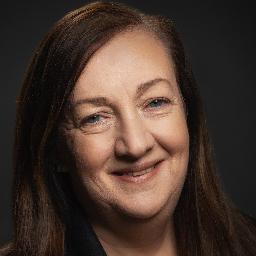
Kathryn Taylor
BACP
12 years in practice
Experienced counsellor with workplace insight
- Stress, Anxiety
- Relationship
- Self esteem
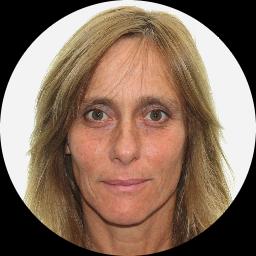
Lucy Nicolaysen
BACP
6 years in practice
Trauma-informed, attachment-focused counsellor
- Relationship
- Family
- Trauma and abuse

Matthew Bridge
BACP
3 years in practice
Compassionate counsellor for trauma and stress
- Stress, Anxiety
- LGBT
- Relationship