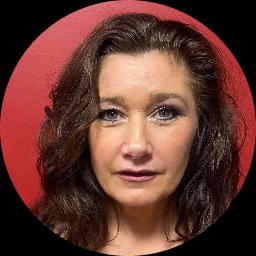
Kim McCloskey, BACP, NCPS
Kim McCloskey is a counsellor based in the United Kingdom.
About Kim
Kim McCloskey is a counsellor based in the United Kingdom. She has 15 years of professional experience and holds BACP and NCPS credentials. Kim focuses on common and complex difficulties so people can feel steadier and more able to cope.
She uses clear, practical approaches in sessions. Kim listens first and then works with each person to build a plan that fits their life. Many people come for help with stress, anxiety, depression, addiction and trauma and abuse.
Background and approach
Her background includes several years teaching counselling and working as a lecturer. That experience shaped how she explains concepts and practises skills in simple, useful ways. She aims to make techniques easy to use between sessions.
Kim also supports people dealing with grief and loss, low self-esteem, life changes and ADHD-related challenges. Additional concerns she helps with include chronic pain and illness, dissociation, domestic violence, fertility and end-of-life issues. Sessions are collaborative and paced to each person.
Kim emphasises respect, sensitivity and compassion while helping people learn tools to manage emotions and difficult situations. She encourages small, steady steps toward a more balanced life.
Details from the counsellor's public professional profile · registration number listed
← Browse all counsellorsRegistration
| Body | Registration number | Expires |
|---|---|---|
| BACP | 381282 | April 2026 |
| NCPS | NCS22-00640 | April 2026 |
Registration details are as listed on the counsellor's public profile. You can check any number with the registering body.
Sessions and payment
Sessions are held online through our partner platform, by video, phone or messaging depending on the counsellor.
Cost Costs are shown on the partner platform before you commit. If cost is a concern, ask about reduced-fee options.
Focus areas and approaches
Everything Kim lists on their public professional profile, in their own terms.
- Stress, Anxiety
- Addictions
- Trauma and abuse
- Grief
- Self esteem
- Depression
- Coping with life changes
- ADHD
- Aging and geriatric issues
- Body image
- Chronic pain, illness, and disability
- Dissociation
- Divorce and separation
- Domestic violence
- Drug and alcohol addiction
- Emptiness
- Fertility issues
- First responder issues
- Forgiveness
- Guilt and shame
- Hospice and end-of-life counselling
- Infidelity
- Isolation / loneliness
- Life purpose
- Veteran and Armed Forces Issues
- Panic disorder and panic attacks
- Phobias
- Postpartum depression
- Post-traumatic stress
- Pregnancy and childbirth
- Prejudice and discrimination
- Process addiction (porn, exercise, gambling)
- Self-love
- Sexual assault and abuse
- Sexual dysfunction
- Smoking / vaping cessation
- Social anxiety and phobia
- Women's issues
- Workplace issues
Ways of working Kim names
- Client-Centred Therapy
- Cognitive Behavioural Therapy (CBT)
- Dialectical Behaviour Therapy (DBT)
- Emotionally-Focused Therapy (EFT)
- Hypnotherapy
- Mindfulness Therapy
- Motivational Interviewing
- Solution-Focused Therapy
- Trauma-Focused Therapy
- Internal Family Systems
Naming an approach is not evidence of training in it. This directory copies what each counsellor lists and does not check training records.
How trauma-informed and talk therapies work online
Trauma-Focused Therapy helps people process and reduce the impact of distressing events by guiding them to gently revisit memories and build coping skills. It is often used for trauma, abuse and ongoing stress reactions. Client-Centred Therapy focuses on the person in front of the therapist; sessions aim to create understanding, acceptance and a non-judgemental space so personal insight and growth can follow. Cognitive Behavioural Therapy (CBT) looks at how thoughts, feelings and behaviours interact and teaches practical steps to change patterns that worsen anxiety, low mood or addictive behaviour.Finding the right blend of approaches is part of the work. The therapist will discuss goals, preferences and what feels most helpful, then try methods that fit the person’s life. This is a collaborative process and adjustments are made as progress is reviewed.
Online formats include video calls, phone sessions, live chat and text-based messaging. Video sessions allow face-to-face conversation and use of screen-shared materials. Phone calls can be a simpler option when bandwidth is limited. Live chat or messaging is useful for brief check-ins, written reflections or when someone prefers not to be on camera. These options make it easier to fit therapy around work, caring duties and travel, while keeping continuity between sessions.
Frequently asked
What concerns does she help with?
She helps people with stress, anxiety, depression, addictions, trauma and abuse, grief, low self-esteem and coping with life changes. There are additional focuses such as chronic pain, dissociation, infertility issues and issues linked to ageing.
What is her therapeutic style?
Her approach is collaborative and practical, using client-centred work alongside evidence-informed methods. Sessions combine listening, skill-building and tailored plans to address daily challenges.
How much experience does she have?
She has 15 years of professional experience working in the UK and has spent time teaching counselling as a lecturer. That background informs her clear, instructional style.
What credentials and location are listed?
She holds BACP and NCPS credentials and practises from the United Kingdom as stated in her profile.
Which languages are supported and can international clients join?
Sessions are offered in English and she accepts international clients as part of her practice.
What session formats are available?
Kim offers video calls, phone sessions, live chat and text-based messaging to suit different needs and schedules.
How are costs handled?
Costs vary with location and therapist availability; sessions use a subscription model that can be cancelled at any time.
How do I begin working with her?
Begin by selecting the Start Therapy button, completing a short matching questionnaire, and then scheduling a session according to therapist availability.
More counsellors who work with Stress, Anxiety
See all
Kathryn Taylor
BACP
12 years in practice
Experienced counsellor with workplace insight
- Stress, Anxiety
- Relationship
- Self esteem

Lucy Nicolaysen
BACP
6 years in practice
Trauma-informed, attachment-focused counsellor
- Relationship
- Family
- Trauma and abuse

Matthew Bridge
BACP
3 years in practice
Compassionate counsellor for trauma and stress
- Stress, Anxiety
- LGBT
- Relationship