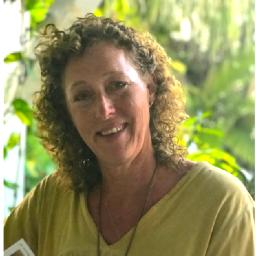
Emma Firth, BACP
Emma Firth is a counsellor with six years of professional experience in the United Kingdom.
About Emma
Emma Firth is a counsellor with six years of professional experience in the United Kingdom. She previously worked as a Speech and Language Therapist in the NHS and continues to work part time for a charity that supports survivors of abuse. She offers calm, respectful care for people feeling overwhelmed by stress, anxiety, trauma, low self‑esteem or life changes.
Emma focuses on clear, practical conversations. Sessions are shaped around each person's needs and goals.
Background and approach
She aims to help clients build confidence, manage difficult feelings, and make small changes that add up over time. Her background in speech and language work brings an emphasis on listening and clear communication. That experience informs how she helps people talk about sensitive issues, including trauma and abuse, grief, intimacy concerns, and relationship problems.
Emma has worked with people facing sleeping and eating difficulties, chronic pain or illness, caregiver stress, and issues around attachment and abandonment. She also supports those coping with bipolar, depression, and compassion fatigue. Her approach is adaptable to different challenges and stages of life.
Sessions may include short-term practical strategies and longer conversations to process painful experiences. Emma will work with each person to shape a plan that fits their situation, preferences, and pace.
Details from the counsellor's public professional profile · registration number listed
← Browse all counsellorsRegistration
| Body | Registration number | Expires |
|---|---|---|
| BACP | 267238 | May 2026 |
Registration details are as listed on the counsellor's public profile. You can check any number with the registering body.
Sessions and payment
Sessions are held online through our partner platform, by video, phone or messaging depending on the counsellor.
Cost Costs are shown on the partner platform before you commit. If cost is a concern, ask about reduced-fee options.
Focus areas and approaches
Everything Emma lists on their public professional profile, in their own terms.
- Stress, Anxiety
- Trauma and abuse
- Self esteem
- Relationship issues
- Grief
- Intimacy-related issues
- Eating disorders
- Sleeping disorders
- Parenting issues
- Bipolar disorder
- Depression
- Coping with life changes
- Compassion fatigue
- Abandonment
- Aging and geriatric issues
- Attachment issues
- Body image
- Caregiver issues and stress
- Chronic pain, illness, and disability
- Codependency
- Commitment issues
- Communication problems
- Control issues
- Coping with natural or human-caused disaster
- Dependent personality
- Dissociation
- Divorce and separation
- Eating and food-related issues
- Family of origin issues
- Forgiveness
- Guilt and shame
- Isolation / loneliness
- Life purpose
- Midlife crisis
- Mood disorders
- Panic disorder and panic attacks
- Phobias
- Post-traumatic stress
- Self-love
- Sexual assault and abuse
- Smoking / vaping cessation
- Somatization
- Women's issues
- Young adult issues
Therapeutic approaches and online working
Emma draws on evidence‑based therapeutic techniques that focus on helping people make practical changes and process difficult experiences. One common way is to use structured conversations that identify unhelpful patterns and build alternative ways of coping; this helps with anxiety, stress and low self‑esteem. Another approach involves paced trauma work that helps people tell and organise painful memories so they feel less overwhelming and more manageable over time.Finding the right approach is part of the work together. Emma will discuss options, listen to your goals and preferences, and adapt methods as you go. The choice of technique is collaborative and can change as your needs become clearer.
Online therapy is offered through video calls, phone sessions, live chat or text‑based messaging to make support easier to fit into life. Video is useful when a longer conversation and face contact help, phone sessions suit quieter connections or lower bandwidth, chat is good for shorter check‑ins, and messaging allows reflection between sessions. These formats provide flexibility so people can choose what works for them and maintain continuity of care around other commitments.
Frequently asked
What issues does Emma help with?
She supports people coping with stress, anxiety, trauma and abuse, low self‑esteem, relationship and intimacy issues, grief, sleeping and eating problems, and mood concerns such as depression and bipolar.
What is her therapeutic style?
Emma uses clear, practical conversations and tailored plans. She blends short‑term coping strategies with longer sessions to process difficult experiences.
How much clinical experience does she have?
She has six years of professional counselling experience and earlier worked as a Speech and Language Therapist in the NHS.
What credentials and location are listed?
Emma is registered with the British Association for Counselling and Psychotherapy, shown as BACP, and practices in the United Kingdom.
Which languages are supported?
Sessions are offered in English.
Can people outside the UK work with her?
International clients are not currently accepted; she works with people located in the United Kingdom.
What session formats are available?
Therapy is offered via video calls, phone sessions, live chat, or text‑based messaging to suit different needs and schedules.
How does cost and scheduling work?
Cost varies with location and therapist availability and sessions use a subscription that can be cancelled at any time. To start, use the Start Therapy button and complete the short matching questionnaire to schedule a session.
More counsellors who work with Stress, Anxiety
See all
Kathryn Taylor
BACP
12 years in practice
Experienced counsellor with workplace insight
- Stress, Anxiety
- Relationship
- Self esteem

Lucy Nicolaysen
BACP
6 years in practice
Trauma-informed, attachment-focused counsellor
- Relationship
- Family
- Trauma and abuse

Matthew Bridge
BACP
3 years in practice
Compassionate counsellor for trauma and stress
- Stress, Anxiety
- LGBT
- Relationship