
Elizabeth Brereton, BACP, NCPS
Elizabeth Brereton welcomes people who are worried, exhausted or unsure where to turn.
About Elizabeth
Elizabeth Brereton welcomes people who are worried, exhausted or unsure where to turn. She uses a calm, non-judgemental style and listens closely so clients feel heard. Elizabeth presents herself plainly and focuses on the person in front of her rather than labels or assumptions.
She is a member of the British Association for Counselling and Psychotherapy (BACP) and an accredited member of the National Counselling and Psychotherapy Society (NCPS). Elizabeth has six years' experience supporting people through grief, anxiety, depression, trauma and abuse, and a wide range of concerns including addiction and identity questions.
Background and approach
Her approach is mainly person-centred, which means the client sets the pace and direction. She also offers techniques from cognitive behavioural therapy when they will help to identify patterns and make practical changes. Sessions are collaborative and guided by what the client wants to work on.
Elizabeth is comfortable talking about sensitive issues such as sexual abuse, domestic violence, self-esteem and body image. She has experience helping people who are exploring their sexuality, living with neurodiversity such as Asperger syndrome, or managing compulsive sexual behaviours and pornography problems. People describe her as straightforward and steady, drawing on life experience along with professional training.
She aims to support clients to accept parts of themselves, change where they choose to, and find clearer ways to cope with stress, anger or life transitions. Sessions can cover practical tools, emotional processing and longer-term reflection. Elizabeth helps clients decide what approach suits them, and works at a pace that feels manageable.
Details from the counsellor's public professional profile · registration number listed
← Browse all counsellorsRegistration
| Body | Registration number | Expires |
|---|---|---|
| BACP | 381021 | May 2026 |
| NCPS | NCS22-03269 | August 2026 |
Registration details are as listed on the counsellor's public profile. You can check any number with the registering body.
Sessions and payment
Sessions are held online through our partner platform, by video, phone or messaging depending on the counsellor.
Cost Costs are shown on the partner platform before you commit. If cost is a concern, ask about reduced-fee options.
Focus areas and approaches
Everything Elizabeth lists on their public professional profile, in their own terms.
- Stress, Anxiety
- LGBT
- Trauma and abuse
- Grief
- Self esteem
- Addictions
- Anger management
- Career difficulties
- Depression
- Coping with life changes
- ADHD
- Abandonment
- Aging and geriatric issues
- Attachment issues
- Autism and Asperger Syndrome
- BDSM, kink, and alternative sex culture
- Body image
- Cancer
- Caregiver issues and stress
- Control issues
- Coping with natural or human-caused disaster
- Divorce and separation
- Domestic violence
- Emptiness
- Family of origin issues
- Family problems
- Fertility issues
- Forgiveness
- Gender dysphoria
- Guilt and shame
- HIV / AIDS
- Hoarding
- Hospice and end-of-life counselling
- Impulsivity
- Infidelity
- Isolation / loneliness
- Jealousy
- Life purpose
- Midlife crisis
- Veteran and Armed Forces Issues
- Money and financial issues
- Mood disorders
- Obsessions, compulsions, and OCD
- Panic disorder and panic attacks
- Paranoia
- Polyamory / non-monogamous relationships
- Postpartum depression
- Pregnancy and childbirth
- Prejudice and discrimination
- Process addiction (porn, exercise, gambling)
- Self-love
- Sex addiction
- Sexual assault and abuse
- Sexuality
- Social anxiety and phobia
- Women's issues
- Workplace issues
- Young adult issues
Ways of working Elizabeth names
- Client-Centred Therapy
- Cognitive Behavioural Therapy (CBT)
- Motivational Interviewing
- Trauma-Focused Therapy
Naming an approach is not evidence of training in it. This directory copies what each counsellor lists and does not check training records.
How Elizabeth’s approaches work online
Elizabeth blends Trauma-Focused Therapy and Client-Centred work to help people process painful experiences and rebuild coping skills. Trauma-Focused Therapy aims to gently address past harm and its effects, helping people feel safer in daily life. Client-Centred work places the person’s priorities in the lead and encourages self-acceptance through respectful listening and reflection.She also brings in cognitive behavioural ideas to identify unhelpful patterns and try small practical changes. Choosing the right mix of approaches is a shared process - the therapist will discuss options and adjust methods based on the client's goals and preferences so the plan feels collaborative.
Online sessions are offered by video call, phone, live chat and text-based messaging to provide flexibility. Video is useful for face-to-face conversation and visual cues, phone calls work well when bandwidth is limited, and messaging or live chat can suit short check-ins or people who prefer not to use audio. These options make it easier to fit therapy around work, caring commitments and travel, while keeping continuity if circumstances change.
Frequently asked
What kinds of problems does Elizabeth help with?
She supports people with stress, anxiety, depression, trauma and abuse, grief, self-esteem and addictions. Her practice also covers a wide range of related issues such as body image, relationship and family of origin problems.
How would you describe her therapy style?
Her work is mainly person-centred, so the client leads the conversation and pace. She also uses cognitive behavioural ideas and trauma-focused methods when they suit the client's goals.
What is her background and experience?
Elizabeth has six years' clinical experience and combines professional practice with life experience, which she says adds perspective to sessions. She aims to be straightforward and non-judgemental.
What credentials does she hold and where is she based?
She is a member of the British Association for Counselling and Psychotherapy (BACP) and an accredited member of the National Counselling and Psychotherapy Society (NCPS). She practises from the United Kingdom.
Which languages are sessions offered in?
Sessions are offered in English and she accepts international clients.
In what formats are sessions available?
Therapy is offered by video call, phone, live chat or text-based messaging to suit different preferences and schedules.
How does pricing work for sessions?
Cost varies with location and therapist availability and sessions use a subscription model that can be cancelled at any time.
What do I need to do to begin?
Use the Start Therapy button, complete a short matching questionnaire, and then schedule according to therapist availability.
More counsellors who work with Stress, Anxiety
See all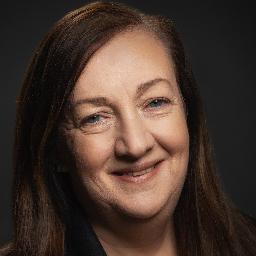
Kathryn Taylor
BACP
12 years in practice
Experienced counsellor with workplace insight
- Stress, Anxiety
- Relationship
- Self esteem

Lucy Nicolaysen
BACP
6 years in practice
Trauma-informed, attachment-focused counsellor
- Relationship
- Family
- Trauma and abuse

Matthew Bridge
BACP
3 years in practice
Compassionate counsellor for trauma and stress
- Stress, Anxiety
- LGBT
- Relationship