
Dea Richardson, NCPS
Dea Richardson is a counsellor practising in the United Kingdom with eight years of professional experience.
About Dea
Dea Richardson is a counsellor practising in the United Kingdom with eight years of professional experience. She uses a trauma-informed perspective and works with people facing anxieties, mood struggles and relationship difficulties. Dea values straightforward, compassionate work and treats each person as the expert on their own life.
She helps people who are recovering from traumatic experiences and from patterns that follow abuse. That includes post-traumatic stress, complex trauma, and reactions that come from adverse childhood experiences.
Background and approach
Dea also supports people dealing with addiction, eating concerns, grief, anger and stresses related to career or family changes. Sessions focus on practical tools and understanding what keeps a problem active. She draws on approaches that help people notice difficult thoughts, try new behaviours, and make choices based on personal values.
Therapy sessions are conversational and paced to suit each person’s needs. Dea uses a mix of structured techniques and person-centred listening. She aims to help people build coping skills, reduce overwhelming emotions and improve how they relate to others.
Clients can expect gentle guidance alongside concrete strategies to manage symptoms. People come for both short-term support and longer recovery work. The goal is to help someone move from surviving to making steady, meaningful change.
Dea describes it as a collaborative process where progress grows from small, practical steps.
Details from the counsellor's public professional profile · registration number listed
← Browse all counsellorsRegistration
| Body | Registration number | Expires |
|---|---|---|
| NCPS | NCS18-06475 | April 2026 |
Registration details are as listed on the counsellor's public profile. You can check any number with the registering body.
Sessions and payment
Sessions are held online through our partner platform, by video, phone or messaging depending on the counsellor.
Cost Costs are shown on the partner platform before you commit. If cost is a concern, ask about reduced-fee options.
Focus areas and approaches
Everything Dea lists on their public professional profile, in their own terms.
- Addictions
- Trauma and abuse
- Eating disorders
- Self esteem
- Coping with life changes
- Stress, Anxiety
- Relationship issues
- Family conflicts
- Grief
- Anger management
- Career difficulties
- Bipolar disorder
- Depression
- Coaching
- ADHD
- Abandonment
- Adoption and foster care
- Attachment issues
- Avoidant personality
- Blended family issues
- Body image
- Caregiver issues and stress
- Codependency
- Commitment issues
- Communication problems
- Control issues
- Coping with natural or human-caused disaster
- Dependent personality
- Dissociation
- Divorce and separation
- Drug and alcohol addiction
- Eating and food-related issues
- Emptiness
- Family of origin issues
- Family problems
- Fatherhood issues
- Forgiveness
- Guilt and shame
- Hoarding
- Immigration issues
- Impulsivity
- Infidelity
- Isolation / loneliness
- Jealousy
- Life purpose
- Men's issues
- Midlife crisis
- Veteran and Armed Forces Issues
- Money and financial issues
- Mood disorders
- Multicultural concerns
- Narcissism
- Obsessions, compulsions, and OCD
- Panic disorder and panic attacks
- Paranoia
- Personality disorders
- Phobias
- Postpartum depression
- Post-traumatic stress
- Pregnancy and childbirth
- Prejudice and discrimination
- Process addiction (porn, exercise, gambling)
- Seasonal Affective Disorder (SAD)
- Self-harm
- Self-love
- Sexual assault and abuse
- Social anxiety and phobia
- Women's issues
- Workplace issues
- Young adult issues
Ways of working Dea names
- Acceptance and Commitment Therapy (ACT)
- Client-Centred Therapy
- Cognitive Behavioural Therapy (CBT)
- Dialectical Behaviour Therapy (DBT)
- Emotionally-Focused Therapy (EFT)
- Eye Movement Desensitization and Reprocessing (EMDR)
- Narrative Therapy
- Psychodynamic Therapy
- Solution-Focused Therapy
- Somatic Therapy
- Trauma-Focused Therapy
Naming an approach is not evidence of training in it. This directory copies what each counsellor lists and does not check training records.
How trauma-informed and evidence-based approaches work online
Trauma-Focused Therapy looks at how past harm affects day-to-day life and aims to reduce intense reactions to reminders of the past. It helps people process traumatic memories and learn ways to feel safer in the present.Acceptance and Commitment Therapy, or ACT, emphasises values-based action and accepting difficult thoughts rather than fighting them. It supports people who want to move forward despite anxiety, depression or painful memories.
Dea treats approach selection as a collaborative decision. She will discuss what methods feel right and adapt sessions to a person's goals and pace. Together they will try techniques and adjust based on what helps most.
Online therapy offers practical flexibility. Video calls let people use visual cues and hands-on exercises. Phone sessions suit those with lower bandwidth or who prefer not to be on camera. Live chat and text messaging work well for short check-ins, ongoing coaching-style support or when someone needs therapy in small, manageable steps.
These remote options make it easier to fit therapy around work, caregiving or travel while still using trauma-focused and evidence-informed methods with registered or accredited professionals.
Frequently asked
What concerns does this counsellor address?
She supports people with trauma and abuse, addictions, anxiety, depression and a wide range of relationship and family issues. Additional focus areas include body image, attachment and coping with loss or separation.
What is the counselling style like?
The approach combines person-centred listening with practical interventions. Sessions are conversational and aim to build coping skills and clearer ways to handle thoughts and feelings.
How much clinical experience does she have?
Dea has eight years of professional experience working with people affected by trauma, stress and mood concerns.
What credentials and country does she have?
She holds the NCPS credential and practices in the United Kingdom.
Are sessions offered in other languages or internationally?
Sessions are offered in English and international clients are accepted.
Which session formats are available?
Work is offered via video calls, phone sessions, live chat and text-based messaging to suit different needs and schedules.
How are sessions paid for and what do they cost?
Costs vary with location and therapist availability. Sessions use a subscription model that can be cancelled at any time.
What do I do to begin therapy?
Begin by selecting the Start Therapy button, completing a short matching questionnaire, and then scheduling according to the therapist's availability.
More counsellors who work with Addictions
See all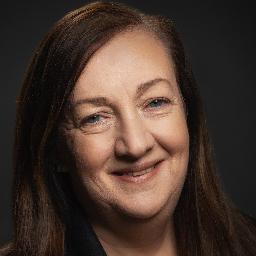
Kathryn Taylor
BACP
12 years in practice
Experienced counsellor with workplace insight
- Stress, Anxiety
- Relationship
- Self esteem

Lucy Nicolaysen
BACP
6 years in practice
Trauma-informed, attachment-focused counsellor
- Relationship
- Family
- Trauma and abuse

Matthew Bridge
BACP
3 years in practice
Compassionate counsellor for trauma and stress
- Stress, Anxiety
- LGBT
- Relationship