
Charlotte Hughes, BACP
Charlotte Hughes is a counsellor who uses trauma-focused and integrative approaches to help people manage stress, anxiety, relationship problems and grief.
About Charlotte
Charlotte Hughes is a counsellor who uses trauma-focused and integrative approaches to help people manage stress, anxiety, relationship problems and grief. She draws on 15 years of experience to offer straightforward, practical support for issues like low self-esteem, depression, addictions and compassion fatigue. Charlotte offers time to talk without judgement and aims to help people regain balance in their daily lives.
She works in a way that adapts to each person, using different methods to suit their needs.
Background and approach
Her background as a former NHS nurse informs how she connects physical health and emotional wellbeing. Her practice includes support for people living with chronic illness, pain or recovering from major medical treatment. She also works with first responders and emergency blue light staff, and provides both individual and couples sessions.
These areas draw on her clinical experience and understanding of health-related stressors. Therapy sessions focus on practical steps, clearer coping strategies and rebuilding relationships where needed. Charlotte uses approaches such as Acceptance and Commitment Therapy and Cognitive Behavioural Therapy alongside attachment-based and client-centred work to match what a person needs in the room.
People who choose Charlotte can expect calm, direct conversation and collaborative planning. She helps clients set achievable goals and develop ways to cope with life changes, intimacy issues, sleeping or eating concerns, and end-of-life or hospice related stress. Charlotte is based in the United Kingdom and works in English.
She is a member of the British Association for Counselling and Psychotherapy, listed as BACP.
Details from the counsellor's public professional profile · registration number listed
← Browse all counsellorsRegistration
| Body | Registration number | Expires |
|---|---|---|
| BACP | 110516 | January 2027 |
Registration details are as listed on the counsellor's public profile. You can check any number with the registering body.
Sessions and payment
Sessions are held online through our partner platform, by video, phone or messaging depending on the counsellor.
Cost Costs are shown on the partner platform before you commit. If cost is a concern, ask about reduced-fee options.
Focus areas and approaches
Everything Charlotte lists on their public professional profile, in their own terms.
- Stress, Anxiety
- Relationship issues
- Grief
- Self esteem
- Depression
- Addictions
- LGBT
- Family conflicts
- Trauma and abuse
- Intimacy-related issues
- Eating disorders
- Sleeping disorders
- Parenting issues
- Anger management
- Bipolar disorder
- Coping with life changes
- Compassion fatigue
- Aging and geriatric issues
- Attachment issues
- Blended family issues
- Caregiver issues and stress
- Chronic pain, illness, and disability
- Co-morbidity
- Commitment issues
- Communication problems
- Coping with natural or human-caused disaster
- Divorce and separation
- Domestic violence
- Family of origin issues
- First responder issues
- Guilt and shame
- Hospice and end-of-life counselling
- Infidelity
- Isolation / loneliness
- Life purpose
- Midlife crisis
- Polyamory / non-monogamous relationships
- Post-traumatic stress
- Self-love
- Social anxiety and phobia
- Women's issues
Ways of working Charlotte names
- Acceptance and Commitment Therapy (ACT)
- Attachment-Based Therapy
- Client-Centred Therapy
- Cognitive Behavioural Therapy (CBT)
- Emotionally-Focused Therapy (EFT)
- Gottman Method
- Motivational Interviewing
- Solution-Focused Therapy
- Trauma-Focused Therapy
- Internal Family Systems
Naming an approach is not evidence of training in it. This directory copies what each counsellor lists and does not check training records.
Therapeutic approaches for online support
Charlotte uses Acceptance and Commitment Therapy to help people notice unhelpful thoughts and choose actions that match their values. ACT often helps when anxiety, depression or life changes make it hard to move forward.She also uses Trauma-Focused approaches to help people process distressing events and reduce their day-to-day impact. This kind of work focuses on stabilising symptoms, building coping skills and then gradually addressing traumatic memories when the person is ready.
Finding the right approach is a shared process. The therapist will talk with each person about goals, preferences and what feels manageable. Together they choose methods and pace so the work fits the person's life and current needs.
Online formats include video calls, phone sessions, live chat and text-based messaging. Video is useful for in-depth work and non-verbal cues, phone calls can fit a busy day or lower bandwidth, and chat or messaging suit brief check-ins or ongoing support between sessions. These options make it easier to fit therapy around work, health appointments or caring responsibilities while maintaining a consistent therapeutic process.
Frequently asked
What kinds of problems can be talked about in sessions?
Sessions cover a wide range of concerns including stress, anxiety, depression, grief, relationship and intimacy issues, addictions, trauma and abuse, and compassion fatigue.
How would you describe the therapeutic style?
The style is practical and person-centred with an integrative stance. Techniques from ACT, CBT, attachment work and client-centred counselling are used to fit each person's needs.
What experience does the counsellor bring?
Charlotte has 15 years of clinical experience and previously worked as a nurse in the NHS, which informs her understanding of physical and mental health links.
Where is the counsellor based and what are her credentials?
She is based in the United Kingdom and holds BACP as her listed credential.
Are sessions offered in other languages or internationally?
Sessions are offered in English. International clients are not currently accepted.
What formats are available for sessions?
Sessions can be conducted by video call, phone, live chat or text-based messaging to suit different schedules and needs.
How are sessions priced?
Cost varies with location and therapist availability; sessions are provided through a subscription model that can be cancelled at any time.
What steps do I take to begin working together?
Use the Start Therapy button, complete a short matching questionnaire, and schedule sessions based on the therapist's availability.
More counsellors who work with Stress, Anxiety
See all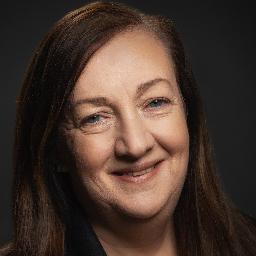
Kathryn Taylor
BACP
12 years in practice
Experienced counsellor with workplace insight
- Stress, Anxiety
- Relationship
- Self esteem

Lucy Nicolaysen
BACP
6 years in practice
Trauma-informed, attachment-focused counsellor
- Relationship
- Family
- Trauma and abuse

Matthew Bridge
BACP
3 years in practice
Compassionate counsellor for trauma and stress
- Stress, Anxiety
- LGBT
- Relationship