
Bridget Blackford-Read, NCPS
Bridget Blackford-Read is a counsellor who supports people facing stress, anxiety, trauma and abuse, grief, low self-esteem and major life changes.
About Bridget
Bridget Blackford-Read is a counsellor who supports people facing stress, anxiety, trauma and abuse, grief, low self-esteem and major life changes. She works in a calm, non-judgemental way and aims to make it easier to talk about difficult experiences. Bridget holds the NCPS credential and practises from the United Kingdom.
Bridget takes an integrative approach, drawing on different methods to match each person's needs. Sessions often look at how past experiences affect current feelings and behaviours.
Background and approach
She may suggest short activities between sessions, such as journalling, grounding techniques or simple reflection tasks. Her style is collaborative and paced to the individual. Bridget encourages people to set the speed of change and supports them through difficult steps.
She focuses on making the counselling space one where thoughts and emotions can be shared honestly. Before working in counselling, Bridget spent time with UK charities as a caseworker and manager supporting victims of crime and court witnesses.
She has also been an affiliate counsellor with a charity providing trauma-based therapy to people affected by crime, combining office and counselling roles over several years. Bridget aims to reply to messages promptly, typically the same day or within 48 hours on weekdays. She checks messages at weekends and usually responds on Monday.
This helps with scheduling and quick questions between sessions.
Details from the counsellor's public professional profile · registration number listed
← Browse all counsellorsRegistration
| Body | Registration number | Expires |
|---|---|---|
| NCPS | NCS19-08862 | November 2026 |
Registration details are as listed on the counsellor's public profile. You can check any number with the registering body.
Sessions and payment
Sessions are held online through our partner platform, by video, phone or messaging depending on the counsellor.
Cost Costs are shown on the partner platform before you commit. If cost is a concern, ask about reduced-fee options.
Focus areas and approaches
Everything Bridget lists on their public professional profile, in their own terms.
- Stress, Anxiety
- Trauma and abuse
- Grief
- Self esteem
- Coping with life changes
- Abandonment
- Aging and geriatric issues
- Attachment issues
- Body image
- Caregiver issues and stress
- Chronic pain, illness, and disability
- Codependency
- Communication problems
- Control issues
- Coping with natural or human-caused disaster
- Divorce and separation
- Domestic violence
- Family problems
- First responder issues
- Forgiveness
- Guilt and shame
- Infidelity
- Isolation / loneliness
- Jealousy
- Life purpose
- Panic disorder and panic attacks
- Post-traumatic stress
- Self-love
- Sexual assault and abuse
- Social anxiety and phobia
- Traumatic brain injury
- Women's issues
- Workplace issues
Ways of working Bridget names
- Attachment-Based Therapy
- Client-Centred Therapy
- Cognitive Behavioural Therapy (CBT)
- Mindfulness Therapy
- Motivational Interviewing
- Psychodynamic Therapy
- Solution-Focused Therapy
- Somatic Therapy
- Trauma-Focused Therapy
Naming an approach is not evidence of training in it. This directory copies what each counsellor lists and does not check training records.
Approaches that translate well to online therapy
Bridget commonly uses Trauma-Focused Therapy to help people process difficult or frightening experiences. This approach looks at the ways past events affect daily life and helps build coping skills to manage strong emotions. She also draws on Attachment-Based Therapy, which focuses on patterns in close relationships and how early bonds shape how people relate to others now. Finally, she uses Client-Centred Therapy to make sure sessions follow the client's priorities, listening and reflecting so the person feels heard.Finding the right approach is part of the work. Bridget collaborates with each person to decide which methods fit their needs, goals and preferences. She may combine elements from different approaches and adjust plans as progress is made.
Online therapy offers practical flexibility. Video calls let people see facial expressions and have longer conversational sessions. Phone sessions can be useful when video is difficult or bandwidth is low. Live chat and text-based messaging work for shorter check-ins, written reflection or when someone prefers messaging to speaking. These options make it easier to fit therapy around work, caregiving or mobility needs, and to keep regular contact between sessions.
Frequently asked
What concerns does Bridget support?
She works with stress, anxiety, trauma and abuse, grief, self-esteem and coping with life changes, plus related issues such as abandonment, chronic illness, codependency and domestic violence.
How would she describe her therapeutic style?
Her style is collaborative and paced to the person. She aims to create a non-judgemental space and works at whatever speed feels safe for the client.
What experience does she have?
She has three years of counselling experience and has worked with UK charities supporting victims of crime and witnesses in court settings.
What credential does Bridget hold and where is she based?
Bridget holds NCPS and practises in the United Kingdom.
Which languages are offered and can she work with international clients?
Sessions are offered in English. She is not accepting clients from outside the United Kingdom.
What session formats are available?
She offers video calls, phone sessions, live chat and text-based messaging to suit different needs and schedules.
How are costs and payments handled?
Cost varies with location and therapist availability; sessions use a subscription that can be cancelled at any time.
What are the first steps to begin working together?
Start by selecting the Start Therapy button, complete a short matching questionnaire, and then schedule according to therapist availability.
More counsellors who work with Stress, Anxiety
See all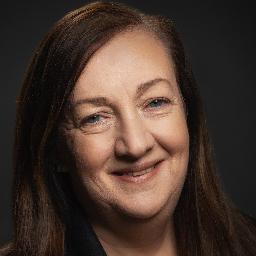
Kathryn Taylor
BACP
12 years in practice
Experienced counsellor with workplace insight
- Stress, Anxiety
- Relationship
- Self esteem

Lucy Nicolaysen
BACP
6 years in practice
Trauma-informed, attachment-focused counsellor
- Relationship
- Family
- Trauma and abuse

Matthew Bridge
BACP
3 years in practice
Compassionate counsellor for trauma and stress
- Stress, Anxiety
- LGBT
- Relationship