
Amy Griffiths, BACP
Amy Griffiths is a BACP counsellor who aims to make difficult feelings easier to talk about.
About Amy
Amy Griffiths is a BACP counsellor who aims to make difficult feelings easier to talk about. She speaks plainly and offers a calm, non-judgemental space for people who feel anxious, overwhelmed or unsure. Her style is warm and compassionate and she focuses on helping people make sense of what they are experiencing.
Amy spends time listening closely to what matters most to each person. She uses a client-centred approach so sessions follow the person's priorities and pace.
Background and approach
Mindfulness techniques are available to help with stress, sleep and managing intense emotions. She has five years' experience supporting people through trauma and abuse, grief and loss, and major life changes. Amy also works with concerns such as addiction, relationship and intimacy difficulties, self-esteem, and compassion fatigue.
She can help people who are exploring gender dysphoria or who identify as LGBT. Additionally she supports those dealing with ageing and geriatric concerns, autism and Asperger syndrome, caregiver stress, cancer and hospice related matters, and the strain that can come from first responder roles. She hears clients who feel empty, guilty, ashamed or stuck after separation or infidelity.
Amy offers practical ideas alongside reflective listening. Sessions often include gentle mindfulness exercises, time to name and track feelings, and collaborative planning for small changes between meetings. Her aim is to help people feel steadier and clearer about next steps.
Work begins by identifying immediate needs and realistic goals. Amy encourages a straightforward, paced approach so people can try new ways of coping without feeling rushed.
Details from the counsellor's public professional profile · registration number listed
← Browse all counsellorsRegistration
| Body | Registration number | Expires |
|---|---|---|
| BACP | 395954 | November 2026 |
Registration details are as listed on the counsellor's public profile. You can check any number with the registering body.
Sessions and payment
Sessions are held online through our partner platform, by video, phone or messaging depending on the counsellor.
Cost Costs are shown on the partner platform before you commit. If cost is a concern, ask about reduced-fee options.
Focus areas and approaches
Everything Amy lists on their public professional profile, in their own terms.
- Stress, Anxiety
- LGBT
- Trauma and abuse
- Coping with life changes
- ADHD
- Addictions
- Grief
- Intimacy-related issues
- Sleeping disorders
- Self esteem
- Career difficulties
- Depression
- Compassion fatigue
- Aging and geriatric issues
- Autism and Asperger Syndrome
- Blended family issues
- Cancer
- Caregiver issues and stress
- Commitment issues
- Coping with natural or human-caused disaster
- Divorce and separation
- Emptiness
- First responder issues
- Forgiveness
- Gender dysphoria
- Guilt and shame
- Hospice and end-of-life counselling
- Infidelity
- Isolation / loneliness
- Jealousy
- Life purpose
- Midlife crisis
- Phobias
- Polyamory / non-monogamous relationships
- Prejudice and discrimination
- Seasonal Affective Disorder (SAD)
- Self-harm
- Self-love
- Sexual assault and abuse
- Sexuality
- Social anxiety and phobia
- Women's issues
- Workplace issues
Ways of working Amy names
Naming an approach is not evidence of training in it. This directory copies what each counsellor lists and does not check training records.
How Amy uses client-centred and mindfulness approaches online
Amy draws on client-centred therapy, which means sessions focus on what matters most to the person. The therapist listens without judgement and follows the client's lead to explore feelings and priorities. This approach is helpful for people wrestling with grief, life changes, identity questions or emotional overwhelm.She also uses mindfulness therapy to teach simple practices for calming the body and mind. Mindfulness can aid with managing anxiety, improving sleep and reducing reactivity after trauma. Exercises are short and practical so they can be used between sessions.
Choosing the right approach is a shared process. Amy will work with each person to decide what feels most helpful, adjusting techniques as goals change. That collaborative way makes therapy more relevant and easier to stick with.
Online formats include video calls, phone sessions, live chat and text-based messaging. Video calls allow a more face-to-face conversation, while phone sessions need less bandwidth and can fit into a work break. Live chat or messaging can suit brief check-ins, ongoing reflections, or people who prefer not to be on camera. These options add flexibility so therapy can fit around daily life and practical constraints.
Frequently asked
What concerns does Amy commonly help with?
Amy works with stress, anxiety, trauma and abuse, grief, depression, and coping with life changes. She also supports people with addictions, sleep problems, self-esteem and intimacy-related issues.
What is her therapeutic style like?
She practises a client-centred approach that follows the client's priorities and pace, combined with mindfulness techniques to manage stress and intense feelings.
How much experience does she have?
Amy has five years' experience working as a counsellor with people facing trauma, grief and a range of emotional difficulties.
Where is Amy based and what credential does she hold?
She is based in the United Kingdom and is listed with the British Association for Counselling and Psychotherapy, shown as BACP.
Which languages are supported and can international clients access her?
Sessions are offered in English and she accepts international clients.
What session formats are offered?
Therapy is available by video calls, phone sessions, live chat, or text-based messaging to suit different needs and schedules.
How are sessions priced?
Cost varies with location and therapist availability; sessions use a subscription that can be cancelled at any time.
How do I begin working with her?
Start by selecting the Start Therapy button, complete a short matching questionnaire, and then schedule sessions according to therapist availability.
More counsellors who work with Stress, Anxiety
See all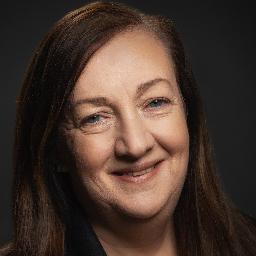
Kathryn Taylor
BACP
12 years in practice
Experienced counsellor with workplace insight
- Stress, Anxiety
- Relationship
- Self esteem

Lucy Nicolaysen
BACP
6 years in practice
Trauma-informed, attachment-focused counsellor
- Relationship
- Family
- Trauma and abuse

Matthew Bridge
BACP
3 years in practice
Compassionate counsellor for trauma and stress
- Stress, Anxiety
- LGBT
- Relationship