
Amanda Cooper, NCPS
Amanda Cooper is a counsellor who supports people coping with stress, anxiety, relationship and intimacy problems, addiction, low self-esteem, trauma and abuse, depression, and life transitions.
About Amanda
Amanda Cooper is a counsellor who supports people coping with stress, anxiety, relationship and intimacy problems, addiction, low self-esteem, trauma and abuse, depression, and life transitions. She also helps with sleep difficulties, anger, career challenges, ADHD, compassion fatigue and a wide range of related concerns.
Amanda uses a practical, person-centred style aimed at helping people feel heard and to make workable changes in day-to-day life. Amanda has worked as a full-time psychotherapy clinician for over 13 years.
Background and approach
For the last decade she has led short-term residential wellbeing programmes in Warwickshire where she provided direct therapy, supervised teams of therapists and shaped psychological programmes. That residential work often involved treating emotional presentations as signs of underlying trauma or environmental stressors and looking beneath surface behaviours to identify root causes.
Her academic background includes an MSc in Organisational Psychology from Birkbeck, University of London and a BSc (Hons) in Psychology from Arden University. She also holds a Diploma in Psychotherapy from the Human Givens Institute and a Graduate Certificate in Philosophy, Ethics, Justice and Memory from Harvard University. Amanda lists NCPS among her credentials.
In practice she offers proactive therapeutic support and trauma recovery processes alongside approaches that address anxiety, panic and stuck patterns. She uses narrative and memory-informed techniques to work with negative thoughts and phobias, and supports people with personal development and career transitions. Amanda aims to make therapy an uplifting, non-judgemental experience.
Sessions are offered by video, phone, live chat or text messaging when appropriate. Before a first meeting she often exchanges brief messages to make the best use of session time. Amanda encourages open conversation and will adapt how you work together to match your needs and preferences.
Details from the counsellor's public professional profile · registration number listed
← Browse all counsellorsRegistration
| Body | Registration number | Expires |
|---|---|---|
| NCPS | NCS21-01641 | August 2026 |
Registration details are as listed on the counsellor's public profile. You can check any number with the registering body.
Sessions and payment
Sessions are held online through our partner platform, by video, phone or messaging depending on the counsellor.
Cost Costs are shown on the partner platform before you commit. If cost is a concern, ask about reduced-fee options.
Focus areas and approaches
Everything Amanda lists on their public professional profile, in their own terms.
- Stress, Anxiety
- Relationship issues
- Intimacy-related issues
- Self esteem
- Coaching
- Addictions
- LGBT
- Family conflicts
- Trauma and abuse
- Sleeping disorders
- Anger management
- Career difficulties
- Depression
- Coping with life changes
- Compassion fatigue
- ADHD
- BDSM, kink, and alternative sex culture
- Blended family issues
- Chronic pain, illness, and disability
- Co-morbidity
- Codependency
- Commitment issues
- Communication problems
- Control issues
- Coping with natural or human-caused disaster
- Divorce and separation
- Domestic violence
- Drug and alcohol addiction
- Emptiness
- Family problems
- Fertility issues
- First responder issues
- Forgiveness
- Guilt and shame
- Hoarding
- Impulsivity
- Infidelity
- Isolation / loneliness
- Jealousy
- Life purpose
- Midlife crisis
- Obsessions, compulsions, and OCD
- Panic disorder and panic attacks
- Phobias
- Polyamory / non-monogamous relationships
- Post-traumatic stress
- Pregnancy and childbirth
- Process addiction (porn, exercise, gambling)
- Self-love
- Sex addiction
- Sexual dysfunction
- Sexuality
- Social anxiety and phobia
- Traumatic brain injury
- Workplace issues
Approaches that translate well to online therapy
Amanda uses evidence-based techniques that adapt well to remote formats. Narrative and memory-focused work uses storytelling and guided recollection to address negative thought patterns and past events; this can help with anxiety, phobias and trauma-related memories by making sense of difficult experiences. Trauma recovery processes aim to reduce the hold of distressing memories and symptoms by working step by step on what feels manageable, often combining gradual exposure with techniques that reframe memories to reduce emotional charge.Finding the right approach is part of the work. Amanda will discuss goals and preferences with each person and together decide which methods to try first. That collaborative process is ongoing, with adjustments made if something does not feel helpful or when needs change over time.
Online therapy offers practical flexibility. Video calls replicate face-to-face discussion and are useful for in-depth work, while phone sessions can fit into a short break or when bandwidth is limited. Live chat and text messaging suit people who prefer written communication, like brief daily check-ins or stepwise reflection. These options make it easier to fit therapy into a busy life and to maintain continuity between sessions.
Frequently asked
What kinds of problems does Amanda help with?
She supports people with stress, anxiety, depression, trauma and abuse, relationship and intimacy issues, addictions, low self-esteem and a broad range of related concerns such as sleep problems, anger and career change.
How would you describe her therapeutic style?
Her style is practical and non-judgemental, with an emphasis on finding underlying causes. She aims to help people feel heard, make quick progress and develop tools they can use day to day.
What experience does she bring to therapy?
She has 13 years of clinical experience and has spent a decade leading short-term residential wellbeing programmes where she provided therapy, supervised staff and developed psychological services.
What credentials and location are on her profile?
She lists NCPS among her credentials and works from the United Kingdom as described in her profile.
Which languages does she offer sessions in?
Sessions are offered in English.
What session formats are available?
She offers video calls, phone sessions, live chat and text-based messaging to suit different needs and schedules.
How is cost handled for her sessions?
Cost varies with location and therapist availability; sessions are provided via a subscription model that can be cancelled at any time.
How do I get started with therapy?
Begin by selecting the Start Therapy button, complete a short matching questionnaire and then schedule sessions according to the therapist's availability.
More counsellors who work with Stress, Anxiety
See all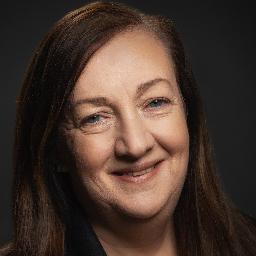
Kathryn Taylor
BACP
12 years in practice
Experienced counsellor with workplace insight
- Stress, Anxiety
- Relationship
- Self esteem

Lucy Nicolaysen
BACP
6 years in practice
Trauma-informed, attachment-focused counsellor
- Relationship
- Family
- Trauma and abuse

Matthew Bridge
BACP
3 years in practice
Compassionate counsellor for trauma and stress
- Stress, Anxiety
- LGBT
- Relationship