
Sarah Stewart, BACP
Sarah Stewart offers warm, person-centred counselling that aims to help people feel heard and respected.
About Sarah
Sarah Stewart offers warm, person-centred counselling that aims to help people feel heard and respected. She meets clients online and creates a calm space where someone can talk through stress, anxiety, relationship worries, trauma and abuse, or changes that feel overwhelming. Sarah uses straightforward, collaborative work.
She listens first and then helps the person find their own answers. Sessions focus on making sense of difficult experiences, spotting patterns that cause pain, and trying practical ways to feel more settled day to day.
Background and approach
Her background is in psychology and psychotherapy and she is registered with the British Association for Counselling and Psychotherapy, BACP. That training helps her combine talking, gentle education about how thoughts and bodies react, and attention to how different parts of the self relate to one another.
Therapy with Sarah often looks at attachment and family of origin issues, self‑esteem, eating and body image concerns, and the effects of shame, guilt or abandonment. She also supports people exploring kink, BDSM and alternative sexual cultures without judgement. Sessions can include practical tools from cognitive approaches, mindfulness and somatic work to help with overwhelming feelings or dissociation.
Sarah adapts her style to what each person needs and checks in regularly to make sure the pace feels right. People who choose her work together to build clearer communication, reduce anxiety or anger, and develop more compassionate ways of being with themselves and others.
Details from the counsellor's public professional profile · registration number listed
← Browse all counsellorsRegistration
| Body | Registration number | Expires |
|---|---|---|
| BACP | 389046 | March 2026 |
Registration details are as listed on the counsellor's public profile. You can check any number with the registering body.
Sessions and payment
Sessions are held online through our partner platform, by video, phone or messaging depending on the counsellor.
Cost Costs are shown on the partner platform before you commit. If cost is a concern, ask about reduced-fee options.
Focus areas and approaches
Everything Sarah lists on their public professional profile, in their own terms.
- Stress, Anxiety
- Relationship issues
- Family conflicts
- Depression
- Coping with life changes
- LGBT
- Trauma and abuse
- Eating disorders
- Anger management
- Self esteem
- Compassion fatigue
- Abandonment
- Attachment issues
- BDSM, kink, and alternative sex culture
- Body image
- Codependency
- Commitment issues
- Communication problems
- Control issues
- Dissociation
- Eating and food-related issues
- Emptiness
- Family of origin issues
- Family problems
- Forgiveness
- Guilt and shame
- Impulsivity
- Infidelity
- Isolation / loneliness
- Jealousy
- Life purpose
- Obsessions, compulsions, and OCD
- Paranoia
- Phobias
- Process addiction (porn, exercise, gambling)
- Seasonal Affective Disorder (SAD)
- Self-harm
- Self-love
- Sexuality
- Smoking / vaping cessation
- Social anxiety and phobia
- Women's issues
- Young adult issues
Ways of working Sarah names
- Acceptance and Commitment Therapy (ACT)
- Client-Centred Therapy
- Cognitive Behavioural Therapy (CBT)
- Somatic Therapy
- Internal Family Systems
Naming an approach is not evidence of training in it. This directory copies what each counsellor lists and does not check training records.
How therapeutic approaches translate to online sessions
Acceptance and Commitment Therapy, or ACT, helps people notice painful thoughts and feelings and then choose values‑based actions despite them. It is useful for anxiety, depression and problems where avoidance keeps someone stuck. Client‑centred therapy focuses on an accepting, non‑judgemental relationship where the person leads the work; it supports people who need a steady, validating space to make sense of their experience. Cognitive Behavioural Therapy, CBT, offers practical ways to spot unhelpful thinking patterns and try small behavioural changes that reduce distress and improve routine.Choosing the right approach is part of the work and happens together. Sarah discusses goals, preferences and what feels manageable, then uses elements from these approaches to suit each session. This collaborative process helps shape a plan that matches the person's needs rather than forcing one method.
Online therapy here uses video calls, phone sessions, live chat and text‑based messaging to provide options that fit everyday life. Video lets people connect face to face; phone calls are useful when bandwidth is limited or a quieter check‑in is needed. Live chat and text sessions can be shorter or work better for people who prefer not to be on camera. These formats offer more flexibility for fitting therapy around work, family and other commitments while still allowing meaningful therapeutic progress.
Frequently asked
What concerns does Sarah commonly help with?
Sarah works with stress, anxiety, depression, relationship and family problems, trauma and abuse, eating and body image issues, self‑esteem and anger. She also supports people facing burnout or compassion fatigue and those dealing with attachment or abandonment wounds.
What style of therapy does she use?
Her practice is person‑centred and collaborative, drawing on Acceptance and Commitment Therapy, cognitive behavioural ideas, somatic techniques and Internal Family Systems. The work is practical and tailored to each person's needs.
How much clinical experience does she have?
Sarah has four years of clinical experience working in counselling and psychotherapy settings. That experience informs a flexible approach that balances listening with practical tools.
What are her credentials and where is she based?
She is registered with the British Association for Counselling and Psychotherapy, BACP, and practises from the United Kingdom.
Can I book sessions in other languages or from abroad?
Sessions are offered in English. She is not currently accepting international clients for work across different countries.
What session formats are available?
Therapy is provided online via video calls, phone sessions, live chat, or text‑based messaging. Messaging is offered only as live, structured sessions rather than ongoing unstructured contact.
How are fees and payments handled?
Costs vary with location and the therapist's availability. Sessions use a subscription model that can be cancelled at any time.
How do I begin if I want to work with her?
Start by selecting the Start Therapy button, complete a short matching questionnaire, and then schedule sessions according to the therapist's availability.
More counsellors who work with Stress, Anxiety
See all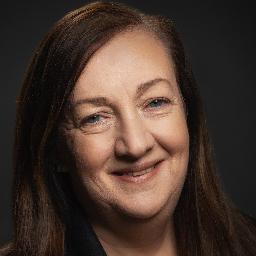
Kathryn Taylor
BACP
12 years in practice
Experienced counsellor with workplace insight
- Stress, Anxiety
- Relationship
- Self esteem

Lucy Nicolaysen
BACP
6 years in practice
Trauma-informed, attachment-focused counsellor
- Relationship
- Family
- Trauma and abuse

Matthew Bridge
BACP
3 years in practice
Compassionate counsellor for trauma and stress
- Stress, Anxiety
- LGBT
- Relationship