
Sara Paolini, BACP
Sara Paolini is a counsellor who welcomes people feeling overwhelmed by anxiety, low mood, trauma or big life changes.
About Sara
Sara Paolini is a counsellor who welcomes people feeling overwhelmed by anxiety, low mood, trauma or big life changes. She offers a listening space where clients can talk through painful thoughts and confusing emotions. Sara holds a BACP credential and has five years of practice experience in both remote and face-to-face work.
Her sessions aim to help people make sense of patterns that keep causing distress. She pays attention to relationships, attachment, and how early experiences can still shape day-to-day life.
Background and approach
That includes issues such as abandonment worries, family of origin problems and codependency. Sara supports people dealing with grief, eating and body image concerns, anger and intimacy-related difficulties. She also works with those facing chronic illness, caregiver stress, or the emotional fallout from separation and domestic violence.
Trauma and abuse are named areas she addresses alongside dissociation and self-harming patterns. In talking through problems, Sara uses evidence-based therapeutic techniques and an accessible style. Sessions are practical and grounded, focusing on what clients want to change and small steps to get there.
She tailors the pace to each person’s needs and preferences. Sara practises across the United Kingdom and offers video calls, phone sessions, live chat and text messaging. Sessions use a subscription model that can be cancelled at any time, and she is able to work with international clients in English.
Details from the counsellor's public professional profile · registration number listed
← Browse all counsellorsRegistration
| Body | Registration number | Expires |
|---|---|---|
| BACP | 394347 | April 2026 |
Registration details are as listed on the counsellor's public profile. You can check any number with the registering body.
Sessions and payment
Sessions are held online through our partner platform, by video, phone or messaging depending on the counsellor.
Cost Costs are shown on the partner platform before you commit. If cost is a concern, ask about reduced-fee options.
Focus areas and approaches
Everything Sara lists on their public professional profile, in their own terms.
- Stress, Anxiety
- Self esteem
- Depression
- Coping with life changes
- LGBT
- Relationship issues
- Family conflicts
- Trauma and abuse
- Grief
- Intimacy-related issues
- Eating disorders
- Anger management
- Career difficulties
- Abandonment
- Attachment issues
- Body image
- Caregiver issues and stress
- Chronic pain, illness, and disability
- Codependency
- Control issues
- Coping with natural or human-caused disaster
- Dependent personality
- Dissociation
- Divorce and separation
- Domestic violence
- Emptiness
- Family of origin issues
- Family problems
- Forgiveness
- Guilt and shame
- Immigration issues
- Isolation / loneliness
- Jealousy
- Life purpose
- Midlife crisis
- Mood disorders
- Multicultural concerns
- Narcissism
- Panic disorder and panic attacks
- Postpartum depression
- Post-traumatic stress
- Pregnancy and childbirth
- Prejudice and discrimination
- Seasonal Affective Disorder (SAD)
- Self-harm
- Self-love
- Social anxiety and phobia
- Somatization
- Women's issues
- Workplace issues
Approaches that shape online sessions
Two of the approaches Sara uses are focused on understanding relational patterns and working with present-day symptoms. One approach helps people identify early relationship and attachment patterns and how these influence current feelings and reactions; it suits those who notice repeated problems in relationships or persistent emptiness. Another approach looks at immediate coping strategies and practical skills to reduce anxiety, manage mood and stabilise after traumatic experiences; it can help with panic, low mood and dissociative moments.Deciding which approach to use is a collaborative process. The therapist will discuss goals, preferences and the issues you bring, and then suggest a way forward. That plan can change over time as needs shift, and Sara invites clients to feed back so sessions stay relevant and useful.
Online therapy offers practical flexibility. Video calls allow face-to-face conversation when you want that connection. Phone sessions suit people who prefer not to be on camera or who need a lower-bandwidth option. Live chat and text messaging can be used for shorter check-ins, brief reflections between sessions, or when typing feels easier than speaking. These options make it easier to fit therapy around work, caregiving and travel.
Frequently asked
What issues can Sara help with?
Sara supports people with anxiety, depression, trauma and abuse, grief, relationship and intimacy issues. She also works with concerns such as body image, eating problems, anger and career stress.
What is her therapeutic style?
Her style is practical and conversational, using evidence-based therapeutic techniques to identify patterns and set achievable steps. Sessions focus on what the client wants to change and on building skills and insight.
How much experience does she have?
She has five years of counselling experience, working with people both remotely and face-to-face across a range of emotional and relational issues.
What credentials and location are listed?
Sara is a member of the British Association for Counselling and Psychotherapy, listed as BACP, and she practises in the United Kingdom.
In which languages are sessions offered?
Sessions are offered in English, and she is able to work with international clients.
Which session formats are available?
She provides therapy by video calls, phone sessions, live chat and text-based messaging to suit different needs and schedules.
How are sessions charged?
Sessions use a subscription model that varies with location and therapist availability, and the subscription can be cancelled at any time.
How do I begin working with her?
To start, select the Start Therapy button, complete a short matching questionnaire, and schedule sessions according to listed availability.
More counsellors who work with Stress, Anxiety
See all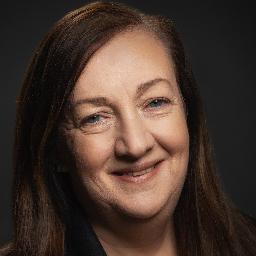
Kathryn Taylor
BACP
12 years in practice
Experienced counsellor with workplace insight
- Stress, Anxiety
- Relationship
- Self esteem

Lucy Nicolaysen
BACP
6 years in practice
Trauma-informed, attachment-focused counsellor
- Relationship
- Family
- Trauma and abuse

Matthew Bridge
BACP
3 years in practice
Compassionate counsellor for trauma and stress
- Stress, Anxiety
- LGBT
- Relationship