
Samantha Holt, NCPS
Samantha Holt is a counsellor who focuses on helping people affected by trauma and relationship difficulties.
About Samantha
Samantha Holt is a counsellor who focuses on helping people affected by trauma and relationship difficulties. She uses clear, straightforward language and aims to make sessions feel manageable for someone coming under pressure. Many clients come with anxiety, grief, eating or addiction concerns, and she helps them talk through what’s most urgent first.
Samantha draws on a range of approaches to suit each person’s needs rather than one fixed method.
Background and approach
She pays close attention to how early attachments and important relationships shape present behaviour and feelings. This helps when someone struggles with intimacy, abandonment worries, or repeating patterns in partnerships. Her work also addresses the emotional effects of abuse, loss and repeated stressful events.
Samantha uses trauma-focused techniques to help people process difficult memories and reduce symptoms that interfere with daily life. She combines this with practical tools from cognitive behavioural work to change unhelpful thinking and behaviour. Samantha holds an NCPS credential and has five years of documented experience working as a therapist in the United Kingdom.
Sessions are offered in English and are suited to adults wanting steady, practical steps toward change. People who choose her can expect a calm, non-judgmental approach. She aims to create a space where thoughts and feelings can be named and worked through at a pace that suits the individual.
The focus is on making day-to-day life clearer and more manageable.
Details from the counsellor's public professional profile · registration number listed
← Browse all counsellorsRegistration
| Body | Registration number | Expires |
|---|---|---|
| NCPS | NCPS414 | February 2027 |
Registration details are as listed on the counsellor's public profile. You can check any number with the registering body.
Sessions and payment
Sessions are held online through our partner platform, by video, phone or messaging depending on the counsellor.
Cost Costs are shown on the partner platform before you commit. If cost is a concern, ask about reduced-fee options.
Focus areas and approaches
Everything Samantha lists on their public professional profile, in their own terms.
- Stress, Anxiety
- Relationship issues
- Trauma and abuse
- Eating disorders
- Anger management
- Addictions
- Family conflicts
- Grief
- Intimacy-related issues
- Sleeping disorders
- Parenting issues
- Career difficulties
- Bipolar disorder
- Depression
- Coping with life changes
- Compassion fatigue
- ADHD
- Abandonment
- Antisocial personality
- Attachment issues
- Autism and Asperger Syndrome
- Avoidant personality
- Cancer
- Codependency
- Commitment issues
- Control issues
- Dependent personality
- Dissociation
- Divorce and separation
- Domestic violence
- Drug and alcohol addiction
- Eating and food-related issues
- Family problems
- Fatherhood issues
- Hoarding
- Hospice and end-of-life counselling
- Infidelity
- Isolation / loneliness
- Jealousy
- Men's issues
- Midlife crisis
- Veteran and Armed Forces Issues
- Mood disorders
- Narcissism
- Panic disorder and panic attacks
- Personality disorders
- Phobias
- Post-traumatic stress
- Prejudice and discrimination
- Self-harm
- Women's issues
- Workplace issues
Ways of working Samantha names
- Attachment-Based Therapy
- Client-Centred Therapy
- Cognitive Behavioural Therapy (CBT)
- Existential Therapy
- Trauma-Focused Therapy
Naming an approach is not evidence of training in it. This directory copies what each counsellor lists and does not check training records.
How Samantha’s approaches work online
Samantha commonly uses trauma-focused therapy and attachment-based work, adapted for online sessions. Trauma-focused therapy helps people process difficult memories and reduce symptoms that affect daily life, while attachment-based work looks at how early relationship patterns shape present reactions and intimacy. Both approaches aim to make sense of distress and to reduce its hold on everyday routines.She also uses client-centred principles to keep the process collaborative. That means the therapist listens carefully and adjusts the pace and focus based on the person's needs and goals. Deciding which approach to use is a joint process, and adjustments are made as progress is reviewed.
Online therapy gives several practical benefits. Video calls allow face-to-face conversation when visual connection helps the work. Phone sessions are useful when bandwidth is limited or for shorter check-ins. Live chat and text-based messaging can suit people who prefer writing to talking or need asynchronous support between sessions. These options aim to make therapy more flexible and easier to fit into busy lives.
Frequently asked
What concerns can Samantha help with?
She works with stress, anxiety, relationship and trauma and abuse issues, as well as eating, addictions, grief and sleeping problems among other concerns.
What style of therapy is used in sessions?
Sessions draw on trauma-focused therapy, attachment-based and client-centred ways of working, with cognitive behavioural techniques used for practical problem solving.
How much professional experience does the therapist have?
Samantha has five years of experience as a practising therapist according to her profile.
What credentials and location are listed?
The profile shows NCPS as a credential and lists the therapist as based in the United Kingdom.
Which languages and international options are available?
Sessions are offered in English and the therapist accepts international clients.
What session formats are offered?
Work can be done via video calls, phone sessions, live chat or text-based messaging to fit different preferences.
How are costs and billing handled?
Cost varies with location and therapist availability; sessions use a subscription that can be cancelled at any time.
What do I do to begin working with this therapist?
To start, use the Start Therapy button, complete a short matching questionnaire, and then schedule according to the therapist's availability.
More counsellors who work with Stress, Anxiety
See all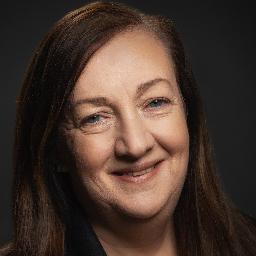
Kathryn Taylor
BACP
12 years in practice
Experienced counsellor with workplace insight
- Stress, Anxiety
- Relationship
- Self esteem

Lucy Nicolaysen
BACP
6 years in practice
Trauma-informed, attachment-focused counsellor
- Relationship
- Family
- Trauma and abuse

Matthew Bridge
BACP
3 years in practice
Compassionate counsellor for trauma and stress
- Stress, Anxiety
- LGBT
- Relationship