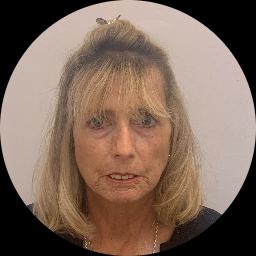
Phillippa Stacy, BACP
Phillippa Stacy is a counsellor who supports people facing stress, anxiety, relationships, grief, anger and depression.
About Phillippa
Phillippa Stacy is a counsellor who supports people facing stress, anxiety, relationships, grief, anger and depression. She also helps those dealing with addictions, trauma and abuse, intimacy concerns, eating and sleeping difficulties, parenting strain, and low self‑esteem. Phillippa brings nine years of clinical experience and a practical, direct style to sessions.
She uses a person‑centred way of working that values choice and collaboration. Conversations are straightforward and focused on helping people understand patterns that keep them stuck.
Background and approach
Phillippa aims to help clients make clearer decisions and take small steps that matter in everyday life. Percipient to the challenges of long‑term health issues, she draws on her own experience of living with an incurable degenerative autoimmune condition. This personal perspective informs her empathy and the way she supports those coping with chronic illness, caregiving stress, or end‑of‑life concerns.
Pillars of her practice include Acceptance and Commitment Therapy, Attachment‑Based ideas, Cognitive Behavioural Therapy and Emotionally‑Focused principles within a client‑centred frame. Sessions focus on practical tools, reflection on relationship patterns, and learning new ways of handling strong feelings. Percipient to different life phases, Phillippa addresses career changes, compassion fatigue, first responder stresses, and dissociation among other areas.
She also offers clinical supervision for therapists, drawing on a diploma in clinical supervision and her broad background. Phillippa holds a BA (Hons) in Humanistic and Integrative Counselling and is a BACP Therapist - Registered Member MBACP. Her approach is honest, warm and aimed at helping people update old patterns so they can move forward with more confidence.
Details from the counsellor's public professional profile · registration number listed
← Browse all counsellorsRegistration
| Body | Registration number | Expires |
|---|---|---|
| BACP | 374878 | April 2027 |
Registration details are as listed on the counsellor's public profile. You can check any number with the registering body.
Sessions and payment
Sessions are held online through our partner platform, by video, phone or messaging depending on the counsellor.
Cost Costs are shown on the partner platform before you commit. If cost is a concern, ask about reduced-fee options.
Focus areas and approaches
Everything Phillippa lists on their public professional profile, in their own terms.
- Stress, Anxiety
- Relationship issues
- Grief
- Anger management
- Depression
- Addictions
- Family conflicts
- Trauma and abuse
- Intimacy-related issues
- Eating disorders
- Sleeping disorders
- Parenting issues
- Self esteem
- Career difficulties
- Bipolar disorder
- Coping with life changes
- Compassion fatigue
- Attachment issues
- Body image
- Caregiver issues and stress
- Chronic pain, illness, and disability
- Communication problems
- Control issues
- Dissociation
- Divorce and separation
- First responder issues
- Forgiveness
- Guilt and shame
- Hoarding
- Hospice and end-of-life counselling
- Impulsivity
- Isolation / loneliness
- Life purpose
- Veteran and Armed Forces Issues
- Obsessions, compulsions, and OCD
- Panic disorder and panic attacks
- Paranoia
- Personality disorders
- Phobias
- Post-traumatic stress
- Self-harm
- Women's issues
- Young adult issues
Ways of working Phillippa names
- Acceptance and Commitment Therapy (ACT)
- Attachment-Based Therapy
- Client-Centred Therapy
- Cognitive Behavioural Therapy (CBT)
- Emotionally-Focused Therapy (EFT)
- Existential Therapy
- Hypnotherapy
- Narrative Therapy
- Solution-Focused Therapy
- Internal Family Systems
Naming an approach is not evidence of training in it. This directory copies what each counsellor lists and does not check training records.
Approaches that guide online sessions
Acceptance and Commitment Therapy (ACT) helps people notice unhelpful thoughts and reconnect with what matters to them. It uses simple exercises to build flexible ways of responding to stress and to support values‑based choices.Attachment‑Based ideas focus on how early relationship patterns affect current connections and reactions. This approach helps people understand their emotional responses and try different ways of relating to others.
She combines these approaches with client‑centred listening to help people feel heard and to tailor practical steps to their situation. Finding the right approach is part of the work together, and the therapist will discuss goals and preferences to decide what fits best.
Online therapy is offered through video calls, phone sessions, live chat or text messaging to suit different needs. Video calls allow fuller interaction, while phone sessions can work when bandwidth is limited or when a shorter check‑in is needed. Live chat and messaging can be useful for brief updates, pacing work between sessions, or when writing things down feels easier.
These options aim to make therapy flexible and accessible for people balancing work, health or caregiving responsibilities, and allow the therapist to adapt methods to each person’s situation.
Frequently asked
What kinds of concerns does Phillippa work with?
She supports people with stress, anxiety, relationship and intimacy issues, grief, anger and depression, plus trauma and abuse. Additional focuses include body image, chronic illness, caregiver stress and first responder issues.
How would you describe her therapeutic style?
Her style is client centred, warm and direct. Sessions balance practical tools with exploring relationship patterns and personal choices.
What is her professional background?
She has nine years of experience and offers clinical supervision for therapists. She lives with an incurable degenerative autoimmune condition, which shapes her empathy and understanding.
Which credentials and location are listed?
She holds a BA (Hons) in Humanistic and Integrative Counselling and is a BACP Therapist - Registered Member MBACP in the United Kingdom.
Are sessions available in other languages or internationally?
Sessions are offered in English and international clients are accepted.
What session formats does she use?
She offers video calls, phone sessions, live chat and text‑based messaging to suit different needs and schedules.
How are sessions priced?
Cost varies with location and therapist availability. Sessions use a subscription model that can be cancelled at any time.
How do I begin working with her?
Select the Start Therapy button, complete a short matching questionnaire, and then schedule according to therapist availability.
More counsellors who work with Stress, Anxiety
See all
Kathryn Taylor
BACP
12 years in practice
Experienced counsellor with workplace insight
- Stress, Anxiety
- Relationship
- Self esteem

Lucy Nicolaysen
BACP
6 years in practice
Trauma-informed, attachment-focused counsellor
- Relationship
- Family
- Trauma and abuse

Matthew Bridge
BACP
3 years in practice
Compassionate counsellor for trauma and stress
- Stress, Anxiety
- LGBT
- Relationship