
Olubunmi Jones, BACP
Olubunmi Jones is a counsellor who uses a relational approach to help people rebuild after difficult experiences.
About Olubunmi
Olubunmi Jones is a counsellor who uses a relational approach to help people rebuild after difficult experiences. She works with individuals who feel stuck by stress, anxiety, trauma and abuse, grief, sleep problems, or low mood. Olubunmi values straightforward therapy that helps people find practical ways to cope and move forward.
She describes therapy as a space to reconnect with inner strengths. Sessions focus on building a steady working relationship so people can look at painful memories and present challenges.
Background and approach
Olubunmi listens for patterns in relationships and attachment that affect daily life and emotional well-being. Her practice draws on several approaches including Trauma-Focused Therapy, Attachment-Based Therapy and Client-Centred Therapy. Those methods are woven together to match each person’s needs rather than follow a single script.
People can expect calm, patient listening and gradual steps toward coping and change. Olubunmi has four years of professional experience and holds BACP registration, which is noted as a credential in her background. She offers sessions in English to people based in the United Kingdom and does not accept international clients.
Therapy is delivered online in a few formats to fit different lives. The process starts with a short matching questionnaire and scheduling, and sessions are arranged according to the therapist’s availability.
Details from the counsellor's public professional profile · registration number listed
← Browse all counsellorsRegistration
| Body | Registration number | Expires |
|---|---|---|
| BACP | 396852 | December 2026 |
Registration details are as listed on the counsellor's public profile. You can check any number with the registering body.
Sessions and payment
Sessions are held online through our partner platform, by video, phone or messaging depending on the counsellor.
Cost Costs are shown on the partner platform before you commit. If cost is a concern, ask about reduced-fee options.
Focus areas and approaches
Everything Olubunmi lists on their public professional profile, in their own terms.
- Stress, Anxiety
- Trauma and abuse
- Grief
- Sleeping disorders
- Depression
- Parenting issues
- Self esteem
- Coping with life changes
- Compassion fatigue
- Abandonment
- Aging and geriatric issues
- Antisocial personality
- Attachment issues
- Body image
- Chronic pain, illness, and disability
- Codependency
- Commitment issues
- Domestic violence
- Emptiness
- Family of origin issues
- Family problems
- Fertility issues
- Forgiveness
- Guilt and shame
- HIV / AIDS
- Hospice and end-of-life counselling
- Immigration issues
- Isolation / loneliness
- Life purpose
- Mood disorders
- Multicultural concerns
- Obsessions, compulsions, and OCD
- Panic disorder and panic attacks
- Phobias
- Postpartum depression
- Post-traumatic stress
- Pregnancy and childbirth
- Prejudice and discrimination
- Self-harm
- Self-love
- Sexual assault and abuse
- Social anxiety and phobia
- Women's issues
- Workplace issues
Ways of working Olubunmi names
- Attachment-Based Therapy
- Client-Centred Therapy
- Existential Therapy
- Imago Relationship Therapy
- Mindfulness Therapy
- Narrative Therapy
- Solution-Focused Therapy
- Trauma-Focused Therapy
Naming an approach is not evidence of training in it. This directory copies what each counsellor lists and does not check training records.
Online approaches that focus on trauma and attachment
Olubunmi uses Trauma-Focused Therapy to help people look at the impact of traumatic events and learn practical ways to reduce distress. This approach aims to slow down difficult memories and build coping skills so daily life feels more manageable.She also draws on Attachment-Based Therapy to understand how early relationships affect current patterns. This helps people notice how they approach trusting others and close connections, and work on changes that improve relationships and emotional safety.
Choosing the right approach is part of the work and happens together. The therapist will listen to your goals and preferences and suggest ways of working that fit your needs. Sessions can be adjusted if something does not feel like the right fit.
Online sessions are offered as video calls, phone sessions, live chat or text-based messaging to make therapy more flexible. Video calls allow a fuller face-to-face conversation, phone sessions need less bandwidth, live chat can be good for brief check-ins, and messaging supports ongoing reflection between sessions. These options help people fit therapy around work, family life and other commitments.
Frequently asked
What concerns does Olubunmi work with?
She helps with stress, anxiety, trauma and abuse, grief, sleeping problems, depression, parenting strains, low self-esteem and coping with life changes, among other issues.
What is her therapeutic style like?
Her style is relational and person-centred with careful listening and a focus on practical coping. She adapts methods to the person rather than using one fixed approach.
How much clinical experience does she have?
She has four years of experience working as a counsellor and has supported people through trauma-related and life-change issues.
What credentials and location apply?
She is registered with the British Association for Counselling and Psychotherapy, listed as BACP, and practices from the United Kingdom.
Which languages are offered and can international clients join?
Sessions are offered in English and international clients are not currently accepted.
How are sessions delivered online?
Sessions are available as video calls, phone sessions, live chat or text-based messaging to suit different preferences and schedules.
What does therapy cost?
Cost varies with location and therapist availability; sessions use a subscription that can be cancelled at any time.
How do I begin working with her?
Start by selecting the Start Therapy button, complete a short matching questionnaire, and then schedule sessions according to the therapist's availability.
More counsellors who work with Stress, Anxiety
See all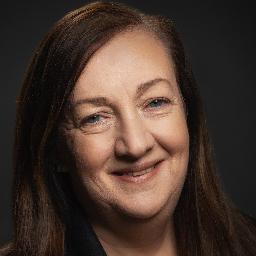
Kathryn Taylor
BACP
12 years in practice
Experienced counsellor with workplace insight
- Stress, Anxiety
- Relationship
- Self esteem

Lucy Nicolaysen
BACP
6 years in practice
Trauma-informed, attachment-focused counsellor
- Relationship
- Family
- Trauma and abuse

Matthew Bridge
BACP
3 years in practice
Compassionate counsellor for trauma and stress
- Stress, Anxiety
- LGBT
- Relationship