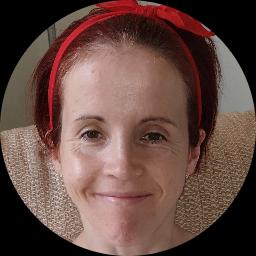
Mary Prime, BACP
Mary Prime is a counsellor with eight years' practical experience based in the United Kingdom.
About Mary
Mary Prime is a counsellor with eight years' practical experience based in the United Kingdom. She trained initially in person-centred counselling and holds BACP registration. Mary has worked in NHS talking therapies and in community roles, and she now brings that experience into online practice.
She aims to meet people where they are and to understand how different parts of life affect mental and physical wellbeing. Sessions are straightforward and focused on what matters now.
Background and approach
Mary adapts her style to each person rather than using one fixed method. Her background includes work supporting anxiety, stress, low mood, depression and grief. She has supported people through relationship difficulties, life transitions such as starting or leaving university, and issues around parenting, sleep and eating.
Trauma and abuse are also within her scope of work. Mary has a particular interest in long-term health conditions and chronic pain. She has lived experience of a chronic pain condition and uses that perspective to discuss practical daily adjustments and coping strategies.
She has also supported unpaid carers to reconnect with themselves and build sustainable coping skills. Later-in-life diagnoses of autism, ADHD and dyslexia inform her practice and help her appreciate different ways of thinking and processing. Mary integrates client-centred work with Cognitive Behavioural Therapy and mindfulness techniques as appropriate.
Sessions are offered by video call, phone, live chat or text messaging. To begin, a short matching questionnaire is completed and sessions are scheduled according to therapist availability.
Details from the counsellor's public professional profile · registration number listed
← Browse all counsellorsRegistration
| Body | Registration number | Expires |
|---|---|---|
| BACP | 376398 | January 2027 |
Registration details are as listed on the counsellor's public profile. You can check any number with the registering body.
Sessions and payment
Sessions are held online through our partner platform, by video, phone or messaging depending on the counsellor.
Cost Costs are shown on the partner platform before you commit. If cost is a concern, ask about reduced-fee options.
Focus areas and approaches
Everything Mary lists on their public professional profile, in their own terms.
- Stress, Anxiety
- Grief
- Depression
- Coping with life changes
- Relationship issues
- Family conflicts
- Trauma and abuse
- Intimacy-related issues
- Eating disorders
- Sleeping disorders
- Parenting issues
- Self esteem
- Career difficulties
- Compassion fatigue
- ADHD
- Aging and geriatric issues
- Autism and Asperger Syndrome
- Body image
- Caregiver issues and stress
- Chronic pain, illness, and disability
- Co-morbidity
- Communication problems
- Domestic violence
- Eating and food-related issues
- Emptiness
- Family problems
- Isolation / loneliness
- Life purpose
- Mood disorders
- Obsessions, compulsions, and OCD
- Panic disorder and panic attacks
- Phobias
- Postpartum depression
- Prejudice and discrimination
- Seasonal Affective Disorder (SAD)
- Self-harm
- Self-love
- Women's issues
- Workplace issues
Ways of working Mary names
Naming an approach is not evidence of training in it. This directory copies what each counsellor lists and does not check training records.
How Mary’s approaches work in online sessions
Client-Centred Therapy focuses on listening and understanding. The counsellor follows your lead, reflecting what matters to you and helping you find your own solutions. This approach suits people who need a steady, non-judgemental space to make sense of feelings.Cognitive Behavioural Therapy, or CBT, looks at the links between thoughts, feelings and actions. Sessions may include simple exercises to test unhelpful thoughts and develop small practical changes. CBT can help with anxiety, low mood and patterns that keep problems going.
Mindfulness Therapy encourages gentle attention to the present moment. Short practices and breathing techniques can reduce overwhelm and improve sleep, focus and emotional balance.
Finding the right mix of approaches is a collaborative process. Mary will discuss goals and preferences with each person and adapt methods over time. The work is tailored so techniques fit day-to-day life rather than feeling like extra tasks.
Online formats offer practical flexibility. Video calls allow face-to-face conversation when bandwidth permits. Phone sessions are useful when a quick check-in or when less data is available. Live chat and text messaging suit shorter updates, messaging between sessions or when writing feels easier than speaking. These options make it simpler to fit therapy around work, study and family commitments.
Frequently asked
What kinds of problems does Mary help with?
She supports people with stress, anxiety, grief, depression and life changes, plus issues like trauma, relationship problems, sleep and eating concerns.
How would sessions with her usually feel?
Her style is warm and down-to-earth with short, practical conversations. She adapts the tone and pace to match each person's needs.
What is her professional background?
Mary has eight years' experience and has worked in NHS talking therapies and community mental health teams as a Psychological Wellbeing Practitioner and social prescriber.
Where is she based and what credentials does she hold?
She practises from the United Kingdom and holds registration with the British Association for Counselling and Psychotherapy, BACP.
Which languages are offered for sessions?
Sessions are offered in English.
What session formats are available online?
Mary works remotely using video calls, phone sessions, live chat and text-based messaging to suit different needs and schedules.
How is payment handled and what does it cost?
Cost varies with location and therapist availability; sessions use a subscription model that can be cancelled at any time.
How do I start working with her?
Click the Start Therapy button, complete a short matching questionnaire and then schedule sessions according to the therapist's availability.
More counsellors who work with Stress, Anxiety
See all
Kathryn Taylor
BACP
12 years in practice
Experienced counsellor with workplace insight
- Stress, Anxiety
- Relationship
- Self esteem
Lucy Nicolaysen
BACP
6 years in practice
Trauma-informed, attachment-focused counsellor
- Relationship
- Family
- Trauma and abuse

Matthew Bridge
BACP
3 years in practice
Compassionate counsellor for trauma and stress
- Stress, Anxiety
- LGBT
- Relationship