
Lindsay Welton, BACP
Lindsay Welton is a counsellor based in the United Kingdom who helps people manage stress, anxiety, trauma and abuse, low self-esteem, and depression.
About Lindsay
Lindsay Welton is a counsellor based in the United Kingdom who helps people manage stress, anxiety, trauma and abuse, low self-esteem, and depression. She also supports those facing life changes, relationship concerns, grief, addiction, sleep and eating difficulties, and parenting strain. Lindsay aims to make the first step into therapy as straightforward as possible for someone who is feeling overwhelmed.
She creates a welcoming space where people can talk about thoughts and feelings without fear of judgement.
Background and approach
Conversations are practical and down to earth, with time spent listening before agreeing on simple goals. Lindsay draws on compassion and steady support to help people find clearer ways forward. Her approach mixes several methods to suit the person in front of her.
She uses trauma-focused work to address past harm and attachment-based ideas to look at relationship patterns. She also uses client-centred listening, cognitive behavioural techniques to shift unhelpful thinking, and mindfulness practices to build calm and focus. With 12 years of experience and BACP registration, Lindsay brings a steady, experienced presence to sessions.
She works with a wide range of concerns, including ADHD, bipolar mood difficulties, caregiver stress, chronic illness and dissociation. She is aware of how multiple issues can overlap and affect daily functioning. Sessions are offered in English and take place online using video calls, phone, live chat or text messaging.
People are invited to begin by completing a short matching questionnaire and scheduling a session when they are ready.
Details from the counsellor's public professional profile · registration number listed
← Browse all counsellorsRegistration
| Body | Registration number | Expires |
|---|---|---|
| BACP | 49798 | February 2027 |
Registration details are as listed on the counsellor's public profile. You can check any number with the registering body.
Sessions and payment
Sessions are held online through our partner platform, by video, phone or messaging depending on the counsellor.
Cost Costs are shown on the partner platform before you commit. If cost is a concern, ask about reduced-fee options.
Focus areas and approaches
Everything Lindsay lists on their public professional profile, in their own terms.
- Stress, Anxiety
- Trauma and abuse
- Self esteem
- Depression
- Coping with life changes
- Addictions
- Relationship issues
- Family conflicts
- Grief
- Intimacy-related issues
- Eating disorders
- Sleeping disorders
- Parenting issues
- Anger management
- Career difficulties
- Bipolar disorder
- Compassion fatigue
- ADHD
- Attachment issues
- Autism and Asperger Syndrome
- Blended family issues
- Body image
- Caregiver issues and stress
- Chronic pain, illness, and disability
- Co-morbidity
- Codependency
- Commitment issues
- Communication problems
- Control issues
- Coping with natural or human-caused disaster
- Dependent personality
- Dissociation
- Divorce and separation
- Domestic violence
- Eating and food-related issues
- Emptiness
- Family problems
- Fatherhood issues
- Guilt and shame
- HIV / AIDS
- Impulsivity
- Infidelity
- Isolation / loneliness
- Jealousy
- Life purpose
- Midlife crisis
- Mood disorders
- Obsessions, compulsions, and OCD
- Panic disorder and panic attacks
- Personality disorders
- Postpartum depression
- Post-traumatic stress
- Pregnancy and childbirth
- Seasonal Affective Disorder (SAD)
- Self-harm
- Self-love
- Sexual assault and abuse
- Sexual dysfunction
- Sexuality
- Social anxiety and phobia
- Women's issues
- Workplace issues
- Young adult issues
Ways of working Lindsay names
- Attachment-Based Therapy
- Client-Centred Therapy
- Cognitive Behavioural Therapy (CBT)
- Mindfulness Therapy
- Psychodynamic Therapy
- Solution-Focused Therapy
- Trauma-Focused Therapy
Naming an approach is not evidence of training in it. This directory copies what each counsellor lists and does not check training records.
How therapy approaches work online
Trauma-focused therapy looks at the effects of past harm and helps people reduce its hold on daily life. It often involves paced work that teaches coping skills and ways to manage distressing memories or reactions.Attachment-based therapy examines how early and current relationships shape feelings and behaviour. It helps people spot recurring patterns and try new ways of relating that feel safer and more satisfying.
Client-centred therapy gives the person space to lead the conversation while the therapist listens without judgement. This approach is useful when someone needs to clarify values, build confidence and feel heard.
Choosing the right approach is a collaborative process. The therapist will work with the person to identify goals, test techniques, and adjust the plan as needs and preferences become clearer. That means methods can be blended and adapted over time rather than fixed from the start.
Online sessions offer practical flexibility. Video calls let visual connection and face-to-face style work, phone sessions use less bandwidth and can be easier during a busy day, and live chat or text messaging suits short check-ins or people who prefer writing. These options make it easier to fit therapy around work, caregiving or mobility needs while keeping continuity across sessions.
Frequently asked
What concerns does Lindsay focus on?
She works with stress, anxiety, trauma and abuse, low self-esteem and depression as key areas. She also supports people facing relationship strain, grief, addiction, sleep and eating problems and parenting challenges.
How would you describe her way of working?
Her style is warm and straightforward with an emphasis on listening first. Conversations aim to identify small, practical steps that fit the person’s life.
What experience does she bring?
She has 12 years of professional experience helping people with a broad range of emotional and behavioural concerns. That experience includes work with trauma-related difficulties and complex presentations.
What credentials and location are listed?
She is registered with the British Association for Counselling and Psychotherapy (BACP) and is based in the United Kingdom.
Which languages and international work are supported?
Sessions are offered in English. She is not currently accepting international clients.
What session formats are available?
Sessions can take place by video call, phone, live chat or text-based messaging to suit different needs and schedules.
How is cost handled?
Fees vary with location and therapist availability; sessions use a subscription model that can be cancelled at any time.
How do I begin working with her?
Start by selecting the Start Therapy button and completing a short matching questionnaire. You can then schedule sessions according to the therapist’s availability.
More counsellors who work with Stress, Anxiety
See all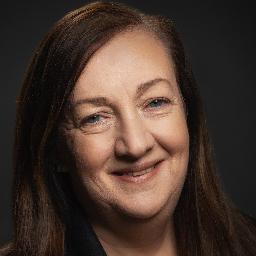
Kathryn Taylor
BACP
12 years in practice
Experienced counsellor with workplace insight
- Stress, Anxiety
- Relationship
- Self esteem

Lucy Nicolaysen
BACP
6 years in practice
Trauma-informed, attachment-focused counsellor
- Relationship
- Family
- Trauma and abuse

Matthew Bridge
BACP
3 years in practice
Compassionate counsellor for trauma and stress
- Stress, Anxiety
- LGBT
- Relationship