
Kirsty Waite, BACP
Kirsty Waite is a counsellor based in the United Kingdom who aims to help people feel heard and supported.
About Kirsty
Kirsty Waite is a counsellor based in the United Kingdom who aims to help people feel heard and supported. She holds BACP registration and has three years of clinical experience, with over 600 hours of client work. Kirsty offers a calm, non-judgemental approach and meets people at their own pace.
She focuses on stress, anxiety, grief, low self-esteem and depression, alongside trauma and abuse concerns. Kirsty also helps people coping with life changes, sleep difficulties, career stress and compassion fatigue.
Background and approach
Additional areas include attachment and abandonment worries, chronic illness and caregiver strain. Her style is collaborative and person-centred. Sessions are respectful of individual values and move at a pace the client finds manageable.
She blends different ways of working so each plan matches the person rather than a single model. Kirsty draws on cognitive behavioural tools to spot patterns that keep problems going. She uses Acceptance and Commitment Therapy ideas to help people clarify what matters to them and take small, doable steps.
Attachment-informed thinking helps when relationships and past bonds affect present life. Clients who have caregiving responsibilities may find her lived experience as a carer particularly understanding. People can expect practical conversations, gentle reflection and clear, simple strategies to try between sessions.
The aim is steady progress rather than quick fixes.
Details from the counsellor's public professional profile · registration number listed
← Browse all counsellorsRegistration
| Body | Registration number | Expires |
|---|---|---|
| BACP | 410865 | January 2027 |
Registration details are as listed on the counsellor's public profile. You can check any number with the registering body.
Sessions and payment
Sessions are held online through our partner platform, by video, phone or messaging depending on the counsellor.
Cost Costs are shown on the partner platform before you commit. If cost is a concern, ask about reduced-fee options.
Focus areas and approaches
Everything Kirsty lists on their public professional profile, in their own terms.
- Stress, Anxiety
- Grief
- Self esteem
- Depression
- Coping with life changes
- Relationship issues
- Trauma and abuse
- Sleeping disorders
- Career difficulties
- Compassion fatigue
- Abandonment
- Attachment issues
- Cancer
- Caregiver issues and stress
- Chronic pain, illness, and disability
- Commitment issues
- Communication problems
- Forgiveness
- Guilt and shame
- Hoarding
- Isolation / loneliness
- Life purpose
- Midlife crisis
- Mood disorders
- Panic disorder and panic attacks
- Phobias
- Post-traumatic stress
- Self-love
- Social anxiety and phobia
- Traumatic brain injury
- Women's issues
- Workplace issues
Ways of working Kirsty names
- Acceptance and Commitment Therapy (ACT)
- Attachment-Based Therapy
- Client-Centred Therapy
- Cognitive Behavioural Therapy (CBT)
- Emotionally-Focused Therapy (EFT)
- Jungian Therapy
- Psychodynamic Therapy
- Solution-Focused Therapy
- Somatic Therapy
- Trauma-Focused Therapy
Naming an approach is not evidence of training in it. This directory copies what each counsellor lists and does not check training records.
Therapeutic approaches and online sessions
Many of her sessions draw on Acceptance and Commitment Therapy, which helps people identify their values and take small, manageable steps toward them while learning to live with difficult feelings. This approach can be useful for anxiety, depression and life transitions.She also uses Attachment-Based ideas to look at how early relationships shape current patterns. That work helps when past bonds, abandonment or trust issues affect present relationships and feelings of security.
Finding the right approach is part of the work together. The therapist will discuss goals, try methods that fit your needs and adapt the plan as progress is made. Clients and therapist decide together which techniques feel helpful and practical.
Online therapy gives practical flexibility. Video calls let you see facial expressions and body language for a fuller conversation. Phone sessions work well when bandwidth is limited or a quick check-in fits your day. Live chat and text messaging offer shorter, written exchanges that can be easier to fit around caregiving or shift work. These options help people fit therapy into busy lives while trying different ways of working.
Frequently asked
What concerns can I bring to sessions?
She supports people with stress, anxiety, grief, low self-esteem and depression. Other areas include trauma and abuse, sleep problems, career worries and compassion fatigue.
What is her therapeutic style like?
She works in a collaborative, person-centred way that respects your pace and values. Sessions mix reflection with practical strategies to use between meetings.
How much clinical experience does she have?
She has three years of professional experience and has completed over 600 clinical hours of client work.
What credentials and region apply?
She is registered with the British Association for Counselling and Psychotherapy (BACP) and practises in the United Kingdom.
Can I have sessions in other languages or from abroad?
Sessions are offered in English and international clients are accepted.
Which session formats are available?
She offers video calls, phone sessions, live chat and text-based messaging to suit different needs and schedules.
How are fees handled?
Costs vary with location and therapist availability; sessions use a subscription model that can be cancelled at any time.
How do I begin working with her?
Use the Start Therapy button, complete a short matching questionnaire, then schedule a time based on the therapist's availability.
More counsellors who work with Stress, Anxiety
See all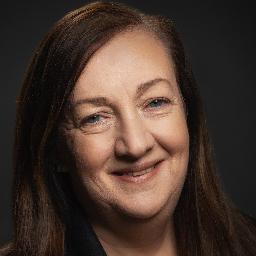
Kathryn Taylor
BACP
12 years in practice
Experienced counsellor with workplace insight
- Stress, Anxiety
- Relationship
- Self esteem

Lucy Nicolaysen
BACP
6 years in practice
Trauma-informed, attachment-focused counsellor
- Relationship
- Family
- Trauma and abuse

Matthew Bridge
BACP
3 years in practice
Compassionate counsellor for trauma and stress
- Stress, Anxiety
- LGBT
- Relationship