
Katie Lane, NCPS
Katie Lane is a counsellor who uses a person-focused way of working.
About Katie
Katie Lane is a counsellor who uses a person-focused way of working. She offers respectful, non-judgemental support for people facing relationship and intimacy concerns, LGBT-related issues, stress, anxiety and trauma. Her style aims to help people speak openly and build confidence at their own pace.
She trained and carries the NCPS credential, and brings five years of direct counselling experience to her practice in the United Kingdom. Before independent practice she led mental health and wellbeing work in educational settings, which shaped how she listens for practical pressures in daily life.
Background and approach
Katie adapts conversations and plans to each person’s needs. She uses client-centred conversations to help people feel heard and seen. She also draws on cognitive behavioural techniques to address unhelpful thinking, and psychodynamic ideas to notice repeated patterns from the past.
Typical concerns she supports include self-esteem, sleep difficulties, addiction-related problems, career stress, and coping with life changes. Katie also offers help for issues connected to family strain, domestic violence, and compassion fatigue, among other areas listed in her profile. Sessions aim to be straightforward and focused.
Katie will work with each person to set realistic goals, try practical steps between sessions, and review progress regularly. The emphasis is on small, manageable changes that build a better daily life.
Details from the counsellor's public professional profile · registration number listed
← Browse all counsellorsRegistration
| Body | Registration number | Expires |
|---|---|---|
| NCPS | NCS22-04126 | November 2026 |
Registration details are as listed on the counsellor's public profile. You can check any number with the registering body.
Sessions and payment
Sessions are held online through our partner platform, by video, phone or messaging depending on the counsellor.
Cost Costs are shown on the partner platform before you commit. If cost is a concern, ask about reduced-fee options.
Focus areas and approaches
Everything Katie lists on their public professional profile, in their own terms.
- LGBT
- Relationship issues
- Intimacy-related issues
- Self esteem
- Stress, Anxiety
- Addictions
- Family conflicts
- Trauma and abuse
- Sleeping disorders
- Career difficulties
- Depression
- Coping with life changes
- Coaching
- Compassion fatigue
- Antisocial personality
- BDSM, kink, and alternative sex culture
- Body image
- Caregiver issues and stress
- Chronic pain, illness, and disability
- Commitment issues
- Communication problems
- Coping with natural or human-caused disaster
- Divorce and separation
- Domestic violence
- Gender dysphoria
- Hoarding
- Infidelity
- Midlife crisis
- Veteran and Armed Forces Issues
- Money and financial issues
- Polyamory / non-monogamous relationships
- Postpartum depression
- Process addiction (porn, exercise, gambling)
- Self-love
- Sex addiction
- Sexual assault and abuse
- Sexual dysfunction
- Sexuality
- Trichotillomania
- Women's issues
Ways of working Katie names
- Client-Centred Therapy
- Cognitive Behavioural Therapy (CBT)
- Psychodynamic Therapy
- Solution-Focused Therapy
Naming an approach is not evidence of training in it. This directory copies what each counsellor lists and does not check training records.
How therapeutic approaches translate to online counselling
Katie commonly uses client-centred counselling and cognitive behavioural therapy in online sessions. Client-centred counselling focuses on listening, reflecting and building trust so people can explore feelings and make choices that suit them. Cognitive behavioural therapy looks at thoughts and behaviours and uses practical exercises to change patterns that cause distress.Choosing a therapeutic approach is part of the work together. Katie will talk with each person about goals, preferences and what has helped or not helped before. She aims to tailor techniques and the pace so sessions feel relevant and manageable for the individual.
Online formats available include video calls, phone sessions, live chat and text-based messaging. Video lets people work face to face when they prefer that connection. Phone sessions can fit into a work break or suit people with low bandwidth. Live chat and messaging are useful for shorter check-ins, written reflection, or when someone wants to avoid being on camera. These options make therapy more flexible and easier to fit into everyday life.
Frequently asked
What kinds of concerns can Katie help with?
She supports people with relationship and intimacy issues, LGBT-related concerns, anxiety, depression, trauma and abuse, stress, sleep problems, addiction-related issues, self-esteem and career difficulties.
How would you describe her therapeutic style?
Her style is client-centred and collaborative with practical tools from cognitive behavioural therapy and elements of psychodynamic work when exploring past patterns.
What experience does she bring?
Katie has five years of counselling practice and previously led mental health and wellbeing services in educational settings.
Where does she practise and what are her credentials?
She works from the United Kingdom and lists NCPS as her professional credential.
Which languages are sessions offered in?
Sessions are offered in English.
Can international clients work with her?
She does not accept international clients at this time.
What session formats are available?
Sessions can take place via video calls, phone sessions, live chat, or text-based messaging depending on client preference.
How do fees and starting therapy work?
Costs vary with location and the subscription-based model, which can be cancelled at any time; to start, select the Start Therapy button, complete a short matching questionnaire, and schedule based on therapist availability.
More counsellors who work with LGBT
See all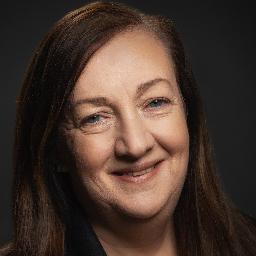
Kathryn Taylor
BACP
12 years in practice
Experienced counsellor with workplace insight
- Stress, Anxiety
- Relationship
- Self esteem

Lucy Nicolaysen
BACP
6 years in practice
Trauma-informed, attachment-focused counsellor
- Relationship
- Family
- Trauma and abuse

Matthew Bridge
BACP
3 years in practice
Compassionate counsellor for trauma and stress
- Stress, Anxiety
- LGBT
- Relationship