
Kate Moore, BACP
Kate Moore is a counsellor who helps people with stress, anxiety, trauma and abuse, grief, parenting concerns and coping with life changes.
About Kate
Kate Moore is a counsellor who helps people with stress, anxiety, trauma and abuse, grief, parenting concerns and coping with life changes. She also supports clients facing addictions, relationship and intimacy issues, eating and self-esteem struggles, career pressures and depression. Kate holds a BA in Integrative Counselling and is registered with the British Association for Counselling and Psychotherapy, BACP.
She works in a relational, person-centred way and places value on an honest therapeutic connection.
Background and approach
Sessions aim to be compassionate and non-judgemental, with space to talk through difficult memories and reactions. Kate encourages small practical steps alongside reflection. Her approach draws on Internal Family Systems alongside wider integrative practice.
This means she explores different parts of a person’s inner life and how those parts interact. The work can help when patterns from earlier life keep repeating or when trauma has left people feeling stuck. Kate has six years’ professional experience and has worked in bereavement services and community counselling.
She has offered support for anxiety, obsessive behaviours, grief, adoption-related issues and more. Her background also includes work with older people in residential settings. Sessions can include grounding exercises, relaxation techniques and reflective conversation.
The aim is to help people build everyday coping skills, feel more in control and find clearer ways forward. The tone is practical, gentle and focused on what the person wants to change.
Details from the counsellor's public professional profile · registration number listed
← Browse all counsellorsRegistration
| Body | Registration number | Expires |
|---|---|---|
| BACP | 380785 | January 2027 |
Registration details are as listed on the counsellor's public profile. You can check any number with the registering body.
Sessions and payment
Sessions are held online through our partner platform, by video, phone or messaging depending on the counsellor.
Cost Costs are shown on the partner platform before you commit. If cost is a concern, ask about reduced-fee options.
Focus areas and approaches
Everything Kate lists on their public professional profile, in their own terms.
- Stress, Anxiety
- Trauma and abuse
- Grief
- Parenting issues
- Coping with life changes
- Addictions
- Relationship issues
- Family conflicts
- Intimacy-related issues
- Eating disorders
- Self esteem
- Career difficulties
- Depression
- Compassion fatigue
- ADHD
- Abandonment
- Aging and geriatric issues
- Attachment issues
- Cancer
- Codependency
- Control issues
- Guilt and shame
- Hoarding
- Hospice and end-of-life counselling
- Jealousy
- Life purpose
- Veteran and Armed Forces Issues
- Multicultural concerns
- Obsessions, compulsions, and OCD
- Paranoia
- Personality disorders
- Phobias
- Postpartum depression
- Prejudice and discrimination
- Seasonal Affective Disorder (SAD)
- Self-harm
- Self-love
- Social anxiety and phobia
- Somatization
Ways of working Kate names
Naming an approach is not evidence of training in it. This directory copies what each counsellor lists and does not check training records.
How Kate’s approaches translate to online therapy
Internal Family Systems looks at the different parts inside someone and how they relate to each other. It helps people notice protective patterns and compassionate parts that want healing, which can be useful for trauma, shame and long-standing emotional patterns.Integrative counselling brings together useful elements from different methods to match a person’s needs. That can mean combining talk, grounding exercises and practical coping tools so sessions fit the issue being worked on, such as grief, anxiety or self-esteem concerns.
Choosing the right approach is part of the work. The therapist will discuss options and tailor sessions based on the person’s goals and preferences. This is a collaborative process where plans are adjusted as progress is made.
Online therapy offers practical flexibility. Video calls let people use visual cues and more in-depth conversation. Phone sessions use less bandwidth and can be easier to fit into a busy day. Live chat or text-based messaging suit shorter check-ins, ongoing reflection and people who prefer writing to speaking.
These formats allow therapy to continue across locations and time zones, and make it simpler to arrange regular appointments around work, care duties or travel.
Frequently asked
What concerns does she help with?
She supports people with stress, anxiety, trauma and abuse, grief, parenting worries and coping with life changes, among other issues such as addictions, relationship and intimacy difficulties, eating concerns and low self-esteem.
What is her therapeutic style like?
Her style is relational and compassionate, with a focus on building a trusting connection. Sessions combine reflective conversation with practical techniques like grounding and relaxation.
How much experience does she have?
She has six years of professional counselling experience, including work in bereavement services and community counselling settings.
What credentials and location are listed?
She holds a BA in Integrative Counselling and is registered with the British Association for Counselling and Psychotherapy, BACP, and practises from the United Kingdom.
Which languages and countries are supported?
Sessions are offered in English and she accepts international clients.
Which session formats are available?
She offers video calls, phone sessions, live chat and text-based messaging to fit different needs and schedules.
How are sessions paid for?
Cost varies with location and therapist availability; sessions use a subscription model that can be cancelled at any time.
What are the steps to begin?
Begin by selecting the Start Therapy button, completing a short matching questionnaire, and then scheduling sessions according to therapist availability.
More counsellors who work with Stress, Anxiety
See all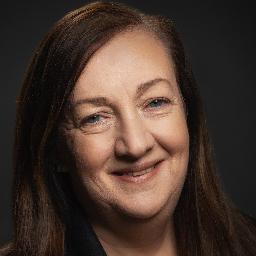
Kathryn Taylor
BACP
12 years in practice
Experienced counsellor with workplace insight
- Stress, Anxiety
- Relationship
- Self esteem

Lucy Nicolaysen
BACP
6 years in practice
Trauma-informed, attachment-focused counsellor
- Relationship
- Family
- Trauma and abuse

Matthew Bridge
BACP
3 years in practice
Compassionate counsellor for trauma and stress
- Stress, Anxiety
- LGBT
- Relationship