
John Darling, BACP
John Darling is a counsellor with 20 years' experience who helps people facing stress, anxiety, relationship strain and trauma.
About John
John Darling is a counsellor with 20 years' experience who helps people facing stress, anxiety, relationship strain and trauma. He offers straightforward, practical support and aims to build a trusting working relationship so clients can talk about difficult issues without jargon. He speaks English and works with people in the United Kingdom and internationally.
John believes people develop coping habits that once helped but can later hold them back. In sessions he gently uncovers those patterns and helps clients try different ways of responding.
Background and approach
This can free up choices around work, relationships and day-to-day life. He uses a mix of approaches based on each person's needs. Attachment-based and emotionally-focused ideas guide how relationships and closeness are looked at.
Client-centred and mindfulness methods keep the focus on the person's experience in the room. Over two decades he has worked with a wide range of concerns including grief, addiction, self-esteem, parenting pressures, LGBT issues, eating difficulties, anger and career change. He also supports people dealing with adoption and foster care matters, attachment issues, autism and caregiver stress.
Sessions can be short-term for a specific problem or longer-term for deeper patterns. John aims to help people find clarity, reduce distress and make practical plans they can use outside sessions. He keeps language simple and the focus on what matters to each person.
To begin, people are invited to an initial conversation to see what help might suit them and how to plan next steps.
Details from the counsellor's public professional profile · registration number listed
← Browse all counsellorsRegistration
| Body | Registration number | Expires |
|---|---|---|
| BACP | 107541 | February 2026 |
Registration details are as listed on the counsellor's public profile. You can check any number with the registering body.
Sessions and payment
Sessions are held online through our partner platform, by video, phone or messaging depending on the counsellor.
Cost Costs are shown on the partner platform before you commit. If cost is a concern, ask about reduced-fee options.
Focus areas and approaches
Everything John lists on their public professional profile, in their own terms.
- Stress, Anxiety
- Relationship issues
- Grief
- Parenting issues
- Self esteem
- Addictions
- LGBT
- Family conflicts
- Trauma and abuse
- Intimacy-related issues
- Eating disorders
- Anger management
- Career difficulties
- Depression
- Coping with life changes
- Coaching
- Compassion fatigue
- ADHD
- Abandonment
- Adoption and foster care
- Aging and geriatric issues
- Attachment issues
- Autism and Asperger Syndrome
- Avoidant personality
- Blended family issues
- Body image
- Cancer
- Caregiver issues and stress
- Codependency
- Commitment issues
- Communication problems
- Control issues
- Dependent personality
- Divorce and separation
- Domestic violence
- Drug and alcohol addiction
- Eating and food-related issues
- Emptiness
- Family problems
- Fatherhood issues
- Forgiveness
- Gender dysphoria
- Guilt and shame
- Hoarding
- Immigration issues
- Impulsivity
- Infidelity
- Intellectual disability
- Isolation / loneliness
- Jealousy
- Life purpose
- Men's issues
- Midlife crisis
- Money and financial issues
- Mood disorders
- Narcissism
- Obsessions, compulsions, and OCD
- Panic disorder and panic attacks
- Paranoia
- Phobias
- Post-traumatic stress
- Prejudice and discrimination
- Process addiction (porn, exercise, gambling)
- Seasonal Affective Disorder (SAD)
- Self-harm
- Self-love
- Sex addiction
- Sexual dysfunction
- Sexuality
- Social anxiety and phobia
- Workplace issues
- Young adult issues
Ways of working John names
- Attachment-Based Therapy
- Client-Centred Therapy
- Emotionally-Focused Therapy (EFT)
- Existential Therapy
- Mindfulness Therapy
Naming an approach is not evidence of training in it. This directory copies what each counsellor lists and does not check training records.
How John’s approaches translate to online therapy
Attachment-based work looks at how early relationship patterns affect current connections. Online sessions can be used to notice how people relate in conversation and to practise new ways of responding. Emotionally-Focused Therapy (EFT) concentrates on feelings in close relationships and helps people name their emotions and ask for what they need; this can be explored effectively in video or phone sessions where the counsellor helps track emotional moments.Finding the right approach is a collaborative process. The counsellor will discuss goals, preferences and the issues you bring, then suggest which methods might suit you best. Together you can try a way of working for a few sessions and adjust as needed.
Online formats offer practical benefits. Video calls let you see facial expressions and work closely on relationship or emotional material. Phone sessions need less bandwidth and can fit into a lunch break or commute. Live chat and text-based messaging are useful for brief check-ins, ongoing support and when writing feels easier than speaking. These choices make therapy more flexible and easier to fit around daily life.
Frequently asked
What kinds of problems can be addressed?
Common concerns include stress, anxiety, depression, relationship and intimacy issues, grief, addictions, parenting strain and trauma and abuse.
How would you describe the therapy style?
Work is collaborative and conversational, with a focus on understanding patterns and trying practical changes. Sessions use gentle exploration rather than technical language.
What experience does the counsellor bring?
He has 20 years of experience working with many different issues and has supported hundreds of people through both short-term and longer-term work.
What professional credentials and location are listed?
The counsellor is registered with the British Association for Counselling and Psychotherapy (BACP) and is based in the United Kingdom.
Which languages are supported and can international clients connect?
Sessions are offered in English and international clients are accepted.
How are sessions delivered?
Therapy is offered by video calls, phone sessions, live chat or text-based messaging to suit different needs and schedules.
What does therapy cost and how are sessions paid for?
Cost varies with location and therapist availability; sessions use a subscription that can be cancelled at any time.
How do I begin working with this counsellor?
Click the Start Therapy button, complete a short matching questionnaire, and schedule sessions according to the counsellor's availability.
More counsellors who work with Stress, Anxiety
See all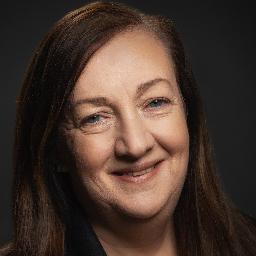
Kathryn Taylor
BACP
12 years in practice
Experienced counsellor with workplace insight
- Stress, Anxiety
- Relationship
- Self esteem

Lucy Nicolaysen
BACP
6 years in practice
Trauma-informed, attachment-focused counsellor
- Relationship
- Family
- Trauma and abuse

Matthew Bridge
BACP
3 years in practice
Compassionate counsellor for trauma and stress
- Stress, Anxiety
- LGBT
- Relationship