
Christina Tremaine, BACP, NCPS
Christina Tremaine is a person-centred counsellor who aims to make therapy straightforward and practical.
About Christina
Christina Tremaine is a person-centred counsellor who aims to make therapy straightforward and practical. She brings 25 years of experience and a warm, down-to-earth manner. Many people come to her feeling overwhelmed by grief, anxiety or life changes and she listens without judgement.
Christina works in English and is based in the United Kingdom. Her way of working is flexible and shaped around each person. Sessions are interactive and respectful.
Background and approach
She combines client-centred listening with tools from cognitive behavioural ideas and attachment-focused thinking to meet immediate needs. Christina has experience across community settings and previously worked with the NHS. That background means she is used to helping people through loss, bereavement and major life transitions.
She also supports people dealing with stress, relationship difficulties, addictions and trauma-related issues. In practical terms Christina and the person she is working with set simple goals and agree a plan that fits their situation. Conversations often include exploring feelings, spotting unhelpful thought patterns and trying small changes between sessions.
The aim is to build clearer coping strategies and steadier day-to-day routines. Her registration includes BACP, the British Association for Counselling and Psychotherapy, and NCPS, the National Counselling and Psychotherapy Society. Christina invites people who want a compassionate, sensible approach to make contact and discuss how to begin.
Details from the counsellor's public professional profile · registration number listed
← Browse all counsellorsRegistration
| Body | Registration number | Expires |
|---|---|---|
| BACP | 389798 | March 2026 |
| NCPS | NCS22-00066 | January 2027 |
Registration details are as listed on the counsellor's public profile. You can check any number with the registering body.
Sessions and payment
Sessions are held online through our partner platform, by video, phone or messaging depending on the counsellor.
Cost Costs are shown on the partner platform before you commit. If cost is a concern, ask about reduced-fee options.
Focus areas and approaches
Everything Christina lists on their public professional profile, in their own terms.
- Stress, Anxiety
- Relationship issues
- Grief
- Depression
- Addictions
- LGBT
- Family conflicts
- Trauma and abuse
- Intimacy-related issues
- Sleeping disorders
- Parenting issues
- Anger management
- Self esteem
- Career difficulties
- Bipolar disorder
- Coping with life changes
- Compassion fatigue
- ADHD
- Abandonment
- Attachment issues
- Domestic violence
- Drug and alcohol addiction
- Hospice and end-of-life counselling
- Obsessions, compulsions, and OCD
- Pregnancy and childbirth
- Self-harm
- Sexuality
- Women's issues
- Workplace issues
Ways of working Christina names
- Attachment-Based Therapy
- Client-Centred Therapy
- Cognitive Behavioural Therapy (CBT)
- Emotionally-Focused Therapy (EFT)
- Existential Therapy
- Hypnotherapy
- Mindfulness Therapy
- Motivational Interviewing
- Psychodynamic Therapy
- Solution-Focused Therapy
- Somatic Therapy
Naming an approach is not evidence of training in it. This directory copies what each counsellor lists and does not check training records.
How her approaches translate to online therapy
Attachment-based work focuses on how early relationships shape current connection patterns. Online sessions let people reflect on how they relate to others and practise new ways of connecting through conversation and exercises. Client-centred counselling puts the person’s experience at the centre, offering acceptance and empathy. This approach helps people feel heard, which can be very effective in video or phone sessions where dialogue is the main tool. Cognitive behavioural therapy (CBT) looks at links between thoughts, feelings and actions and uses short practical exercises to change unhelpful patterns. CBT tasks and thought records transfer easily to online formats for use between sessions.Choosing the right approach is a collaborative step. The therapist will discuss your needs, goals and preferences and try different ways of working until a good fit is found. Goals and methods are reviewed together so the person understands why particular exercises or topics are chosen.
Online therapy offers practical flexibility. Video calls allow face-to-face conversation when visual cues matter. Phone sessions need less bandwidth and can fit a work break or a short check-in. Live chat or text-based messaging works for people who prefer written reflection or want ongoing support between sessions. These options make it easier to keep regular contact and to try different formats as needs change.
Frequently asked
What kinds of concerns does she help with?
She supports people with grief, anxiety, depression, stress and trauma-related issues, among other concerns such as addictions and relationship difficulties.
How would you describe her therapeutic style?
Her style is person-centred, warm and interactive. She listens first and then uses practical techniques to help with thoughts, feelings and behaviour.
What background does she bring to sessions?
She has 25 years of experience and has worked in community settings and for the NHS, offering long-term support for bereavement and life changes.
What credentials and region are listed?
She is registered with BACP, the British Association for Counselling and Psychotherapy, and NCPS, the National Counselling and Psychotherapy Society, and practises from the United Kingdom.
Which languages are supported?
Sessions are offered in English.
What session formats are available?
Work can take place via video calls, phone sessions, live chat or text-based messaging depending on what suits the person.
How are fees handled?
Costs vary with location and therapist availability and sessions use a subscription model that can be cancelled at any time.
How do I begin working with her?
Use the Start Therapy button, complete a short matching questionnaire, and then schedule sessions according to therapist availability.
More counsellors who work with Stress, Anxiety
See all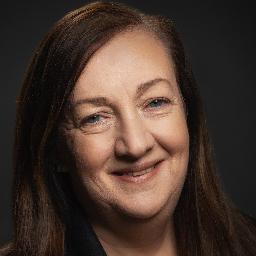
Kathryn Taylor
BACP
12 years in practice
Experienced counsellor with workplace insight
- Stress, Anxiety
- Relationship
- Self esteem

Lucy Nicolaysen
BACP
6 years in practice
Trauma-informed, attachment-focused counsellor
- Relationship
- Family
- Trauma and abuse

Matthew Bridge
BACP
3 years in practice
Compassionate counsellor for trauma and stress
- Stress, Anxiety
- LGBT
- Relationship