
Anne Day, BACP
Anne Day is a counsellor based in the United Kingdom who uses a trauma-informed and client-centred approach.
About Anne
Anne Day is a counsellor based in the United Kingdom who uses a trauma-informed and client-centred approach. She combines direct listening with practical conversation to help people facing stress, anxiety, relationship difficulties, grief, and the aftermath of abuse. Anne works with people to identify strengths and small steps that make daily life more manageable.
With six years of professional experience and registration with the British Association for Counselling and Psychotherapy (BACP), Anne draws on several therapeutic approaches.
Background and approach
She weaves Trauma-Focused Therapy with client-centred listening, and adds elements from psychodynamic and existential thinking when these fit a person’s concerns. She also uses solution-focused techniques to set achievable short-term goals. Sessions usually begin by looking at what matters most right now and what the person hopes to change.
Anne helps people map out simple coping strategies and, when useful, think about the past and how it shapes present reactions. She aims to keep conversations straightforward and relevant to day-to-day challenges. Common issues Anne addresses include coping with loss, managing intense emotions, dealing with control or attachment worries, and navigating substance or dependence problems.
She also supports people facing caregiver stress, ageing concerns, body image problems, and the emotional impact of disaster or domestic violence. Her style is collaborative and respectful. She invites people to notice their own resources and to try steps that fit their life.
The aim is steady progress rather than quick fixes.
Details from the counsellor's public professional profile · registration number listed
← Browse all counsellorsRegistration
| Body | Registration number | Expires |
|---|---|---|
| BACP | 377433 | January 2027 |
Registration details are as listed on the counsellor's public profile. You can check any number with the registering body.
Sessions and payment
Sessions are held online through our partner platform, by video, phone or messaging depending on the counsellor.
Cost Costs are shown on the partner platform before you commit. If cost is a concern, ask about reduced-fee options.
Focus areas and approaches
Everything Anne lists on their public professional profile, in their own terms.
- Stress, Anxiety
- Relationship issues
- Trauma and abuse
- Grief
- Coping with life changes
- Aging and geriatric issues
- Attachment issues
- Body image
- Caregiver issues and stress
- Codependency
- Commitment issues
- Control issues
- Coping with natural or human-caused disaster
- Dependent personality
- Dissociation
- Domestic violence
- Drug and alcohol addiction
- Emptiness
- Family problems
- Forgiveness
- Gender dysphoria
- Guilt and shame
- Infidelity
- Isolation / loneliness
- Jealousy
- Life purpose
- Personality disorders
- Postpartum depression
- Post-traumatic stress
- Prejudice and discrimination
- Process addiction (porn, exercise, gambling)
- Self-love
- Sexual assault and abuse
- Sexuality
- Social anxiety and phobia
- Women's issues
- Young adult issues
Ways of working Anne names
- Client-Centred Therapy
- Existential Therapy
- Psychodynamic Therapy
- Solution-Focused Therapy
- Trauma-Focused Therapy
Naming an approach is not evidence of training in it. This directory copies what each counsellor lists and does not check training records.
Using trauma-aware and client-centred approaches online
Anne commonly combines Trauma-Focused Therapy and Client-Centred Therapy when working online. Trauma-Focused Therapy concentrates on understanding how past hurt affects current feelings and reactions, and it aims to help people develop ways to manage distressing memories or triggers. Client-Centred Therapy focuses on active listening and reflecting back what a person says, helping them feel understood and able to find their own solutions.Finding the right approach is part of the work together. Anne will talk through goals, try different ways of working, and agree what feels most helpful. This collaborative process lets the person lead on pace and focus while the therapist offers ideas and practical tools.
Online formats include video calls, phone sessions, live chat, and text-based messaging. Video calls are useful for fuller conversation and non-verbal cues. Phone sessions can be easier when bandwidth is limited or when being on camera feels difficult. Live chat and text messaging suit short check-ins, reflective journalling between sessions, or quick coping prompts. These options make it easier to fit therapy into busy lives and reach people who cannot travel to appointments.
Frequently asked
What problems does Anne help with?
She helps people with stress, anxiety, relationship worries, trauma and abuse, grief, and coping with life changes. Additional focuses include caregiver stress, body image, addiction concerns, and family conflict.
What is her therapeutic style like?
Her style is client-centred and collaborative, with an emphasis on listening first and then trying practical steps. She also uses trauma-focused, psychodynamic and solution-focused ideas when they suit the person’s needs.
How much experience does she have?
She has six years of professional experience working in counselling and related roles. That experience informs how she combines different approaches for individual needs.
What credentials and location apply?
Anne is registered with the BACP, the British Association for Counselling and Psychotherapy, and works from the United Kingdom.
Which languages and international options are available?
Sessions are offered in English and she accepts international clients.
What session formats does she use?
She offers video calls, phone sessions, live chat, and text-based messaging to suit different needs and schedules.
How does cost and payment work?
Cost varies with location and therapist availability and sessions use a subscription model that can be cancelled at any time.
How do I begin if I want to work with her?
Start by selecting the Start Therapy button, complete a short matching questionnaire, and then schedule sessions according to therapist availability.
More counsellors who work with Stress, Anxiety
See all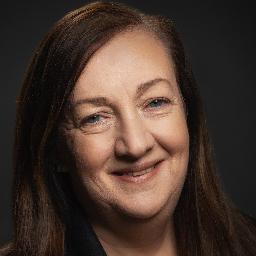
Kathryn Taylor
BACP
12 years in practice
Experienced counsellor with workplace insight
- Stress, Anxiety
- Relationship
- Self esteem

Lucy Nicolaysen
BACP
6 years in practice
Trauma-informed, attachment-focused counsellor
- Relationship
- Family
- Trauma and abuse

Matthew Bridge
BACP
3 years in practice
Compassionate counsellor for trauma and stress
- Stress, Anxiety
- LGBT
- Relationship