
Anna Gilmore, BACP
Anna Gilmore is a counsellor with ten years' experience working with people facing very difficult life events.
About Anna
Anna Gilmore is a counsellor with ten years' experience working with people facing very difficult life events. She aims to offer a calm, respectful space where clients can talk about trauma, loss, anxiety, eating concerns and other painful experiences. Anna brings a straightforward, compassionate style to sessions and treats each person as an individual.
Her background includes board-level committee work with Women’s Aid and front-line roles at mental health charity Mind.
Background and approach
She has provided counselling in a secondary school for pupils aged 11 to 18 and volunteered for Rape Crisis, giving her a breadth of experience with complex emotional issues. Anna also works with Sporting Chance, a charity supporting elite athletes, and spends time counselling women at Woman's Trust, a London-based charity for survivors of domestic abuse.
These roles have involved supporting people through trauma, relationship breakdown and recovery after abuse. She holds a BSc (Hons) in Reflective Therapeutic Practice and an MSc in Psychology and Neuroscience from King’s College London. Anna is a member of the British Association for Counselling and Psychotherapy, BACP, and states she works within their ethical framework.
In sessions she uses a client-centred approach that focuses on listening and understanding. That helps people build self-awareness, explore difficult feelings and find ways to cope day to day. Practical steps, pacing and the client’s priorities guide the work together.
Details from the counsellor's public professional profile · registration number listed
← Browse all counsellorsRegistration
| Body | Registration number | Expires |
|---|---|---|
| BACP | 378253 | April 2026 |
Registration details are as listed on the counsellor's public profile. You can check any number with the registering body.
Sessions and payment
Sessions are held online through our partner platform, by video, phone or messaging depending on the counsellor.
Cost Costs are shown on the partner platform before you commit. If cost is a concern, ask about reduced-fee options.
Focus areas and approaches
Everything Anna lists on their public professional profile, in their own terms.
- Trauma and abuse
- Grief
- Eating disorders
- Bipolar disorder
- Stress, Anxiety
- LGBT
- Relationship issues
- Family conflicts
- Intimacy-related issues
- Sleeping disorders
- Anger management
- Self esteem
- Depression
- Coping with life changes
- ADHD
- Abandonment
- Antisocial personality
- Attachment issues
- Autism and Asperger Syndrome
- BDSM, kink, and alternative sex culture
- Blended family issues
- Body image
- Co-morbidity
- Commitment issues
- Communication problems
- Control issues
- Dependent personality
- Disruptive Mood Dysregulation Disorder (DMDD)
- Dissociation
- Divorce and separation
- Domestic violence
- Drug and alcohol addiction
- Eating and food-related issues
- Family problems
- Fertility issues
- Guilt and shame
- Impulsivity
- Infidelity
- Isolation / loneliness
- Jealousy
- Life purpose
- Money and financial issues
- Mood disorders
- Obsessions, compulsions, and OCD
- Panic disorder and panic attacks
- Paranoia
- Personality disorders
- Phobias
- Polyamory / non-monogamous relationships
- Postpartum depression
- Post-traumatic stress
- Process addiction (porn, exercise, gambling)
- Self-harm
- Self-love
- Sex addiction
- Sexual assault and abuse
- Sexuality
- Smoking / vaping cessation
- Social anxiety and phobia
- Women's issues
- Workplace issues
- Young adult issues
Ways of working Anna names
Naming an approach is not evidence of training in it. This directory copies what each counsellor lists and does not check training records.
How client-centred therapy can work online
Client-centred therapy focuses on the person’s experience and on building a trusting, respectful relationship. In practice this means the counsellor listens closely, reflects what they hear and follows the client’s lead to explore what matters most. This approach helps with issues such as anxiety, low self-esteem, relationship difficulties and trauma where being heard and understood is central.Anna’s background supporting people after abuse and loss means she pays attention to pacing and safety in each conversation. Together the client and counsellor will decide which style and pace feel right, and that decision is reviewed as therapy progresses. Finding the right approach is a collaborative process based on the client’s needs and goals.
Online sessions use video calls, phone sessions, live chat or text-based messaging to make therapy more flexible. Video calls are close to face-to-face work and suit deeper conversations. Phone sessions can work when someone needs a simpler check-in or when bandwidth is limited. Live chat and messaging suit short updates, reflective writing or people who prefer typing over speaking. These options make it easier to fit counselling around work, study or family life while keeping the focus on the client’s priorities.
Frequently asked
What concerns does Anna help with?
She supports people with trauma and abuse, grief, eating issues, bipolar, stress and anxiety. Other areas covered include relationship and intimacy issues, sleep problems, anger, self esteem and ADHD.
How would you describe her therapeutic style?
Her sessions follow a client-centred style focused on careful listening and working at the client’s pace. The emphasis is on understanding the person and responding to their priorities.
What is her professional background?
She has ten years' experience including roles with Women’s Aid, Mind, school counselling for 11-18 year olds and volunteering at Rape Crisis. She also works with Sporting Chance and Woman's Trust.
What credentials does she hold and where is she based?
Anna holds a BSc (Hons) in Reflective Therapeutic Practice and an MSc in Psychology and Neuroscience from King’s College London. She is a member of the British Association for Counselling and Psychotherapy (BACP) and works in the United Kingdom.
Which languages and international arrangements are offered?
Sessions are offered in English and she accepts clients from outside the United Kingdom.
What session formats does she use?
Therapy is available by video calls, phone sessions, live chat or text-based messaging. These different formats suit varied schedules and communication preferences.
How are sessions charged?
Cost varies with location and therapist arrangements; sessions operate via a subscription model that can be cancelled at any time. Specific pricing is provided through the service at sign-up.
How do I begin working with her?
Start by selecting the Start Therapy button and completing a short matching questionnaire. You can then schedule sessions according to the therapist’s availability.
More counsellors who work with Trauma and abuse
See all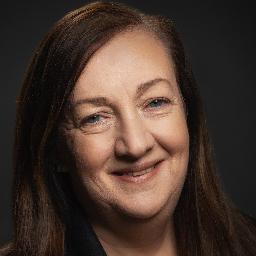
Kathryn Taylor
BACP
12 years in practice
Experienced counsellor with workplace insight
- Stress, Anxiety
- Relationship
- Self esteem

Lucy Nicolaysen
BACP
6 years in practice
Trauma-informed, attachment-focused counsellor
- Relationship
- Family
- Trauma and abuse

Matthew Bridge
BACP
3 years in practice
Compassionate counsellor for trauma and stress
- Stress, Anxiety
- LGBT
- Relationship