
Alan Clucas, BACP
Alan Clucas is a counsellor who uses a client-centred approach to help people through difficult life events.
About Alan
Alan Clucas is a counsellor who uses a client-centred approach to help people through difficult life events. He works from the view that each person knows their own story best and brings practical, steady support. Alan holds BACP membership and has twelve years of professional experience in the UK.
He helps people manage addiction and substance use concerns alongside trauma and abuse. He also supports clients facing mood challenges such as bipolar disorder and depression.
Background and approach
Many clients come because of stress, anxiety or difficulties with sleep and eating. Alan blends motivational interviewing to help people find reasons to change with somatic ideas that pay attention to bodily signals. Sessions focus on everyday choices, coping skills and small steps that fit a person's life.
The work is straightforward and paced to what each person feels able to try. People often bring relationship strain, grief, or questions about identity and purpose. He also covers issues like anger, self-esteem, parenting strain and work-related stress.
Alan listens without judgement and helps people try new ways of responding to old patterns. Practical matters are part of the work. He supports people exploring recovery from drug and alcohol addiction, dealing with dissociation, or managing obsessive thoughts and compulsions.
The aim is to help people build clearer routines and steadier emotional responses over time.
Details from the counsellor's public professional profile · registration number listed
← Browse all counsellorsRegistration
| Body | Registration number | Expires |
|---|---|---|
| BACP | 45621 | May 2026 |
Registration details are as listed on the counsellor's public profile. You can check any number with the registering body.
Sessions and payment
Sessions are held online through our partner platform, by video, phone or messaging depending on the counsellor.
Cost Costs are shown on the partner platform before you commit. If cost is a concern, ask about reduced-fee options.
Focus areas and approaches
Everything Alan lists on their public professional profile, in their own terms.
- Addictions
- Trauma and abuse
- Bipolar disorder
- Coping with life changes
- ADHD
- Stress, Anxiety
- LGBT
- Relationship issues
- Family conflicts
- Grief
- Intimacy-related issues
- Eating disorders
- Sleeping disorders
- Parenting issues
- Anger management
- Self esteem
- Career difficulties
- Depression
- Coaching
- Compassion fatigue
- Abandonment
- Antisocial personality
- Avoidant personality
- Co-morbidity
- Dissociation
- Drug and alcohol addiction
- Emptiness
- Forgiveness
- Hospice and end-of-life counselling
- Isolation / loneliness
- Life purpose
- Men's issues
- Midlife crisis
- Veteran and Armed Forces Issues
- Obsessions, compulsions, and OCD
- Panic disorder and panic attacks
- Personality disorders
- Post-traumatic stress
- Prejudice and discrimination
- Process addiction (porn, exercise, gambling)
- Seasonal Affective Disorder (SAD)
- Self-harm
- Self-love
- Sexual assault and abuse
- Sexuality
- Workplace issues
Ways of working Alan names
Naming an approach is not evidence of training in it. This directory copies what each counsellor lists and does not check training records.
Approaches and online therapy that fit your life
Client-centred therapy puts your own goals and experience at the heart of the work. The counsellor listens closely, reflects what matters to you, and helps you steer sessions in the directions you choose. Motivational interviewing focuses on the reasons you might want to change and helps turn those reasons into small, practical steps. It is useful for things like reducing substance use or building new routines. Somatic therapy pays attention to bodily sensations and how emotions show up in the body, offering ways to calm or regulate those reactions and to notice patterns that might otherwise be missed.Finding the right approach is part of the process and happens together. The counsellor will check what you need, what has helped before, and what you are ready to try. From there you and the therapist decide which methods to use and how quickly to move forward, keeping the plan practical and personalised.
Online sessions include video calls, phone sessions, live chat and text-based messaging. Video works well for deeper conversations and visual cues. Phone sessions need less bandwidth and can fit a short break at work. Live chat or messaging is useful for brief check-ins or when writing helps you think things through. These options make it easier to fit therapy into busy lives and across different locations.
Frequently asked
What kinds of concerns does Alan help with?
He works with a wide range of concerns including addiction, trauma and abuse, bipolar disorder, depression, anxiety, stress, sleep and eating issues, relationship and intimacy challenges, grief, and career or life purpose questions.
How would you describe his therapeutic style?
He uses a client-centred approach that focuses on what matters to the person, alongside motivational interviewing and somatic ideas to support change and notice bodily signals linked to emotions.
What is his professional background?
Alan has twelve years of professional experience working in the UK and has supported people with addictions, trauma, mood conditions and coping with life changes.
What credentials and region are listed?
He is listed with the British Association for Counselling and Psychotherapy (BACP) and practices in the United Kingdom.
Which languages and international options are available?
Sessions are offered in English and he accepts international clients.
What session formats are offered?
He provides video calls, phone sessions, live chat and text-based messaging to suit different needs and schedules.
How are sessions paid for and what does it cost?
Cost varies by location and therapist arrangements; sessions use a subscription model that can be cancelled at any time.
How do I begin a course of therapy?
Start by selecting the Start Therapy button, complete a short matching questionnaire, and then schedule sessions according to the therapist's availability.
More counsellors who work with Addictions
See all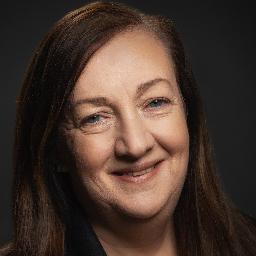
Kathryn Taylor
BACP
12 years in practice
Experienced counsellor with workplace insight
- Stress, Anxiety
- Relationship
- Self esteem

Lucy Nicolaysen
BACP
6 years in practice
Trauma-informed, attachment-focused counsellor
- Relationship
- Family
- Trauma and abuse

Matthew Bridge
BACP
3 years in practice
Compassionate counsellor for trauma and stress
- Stress, Anxiety
- LGBT
- Relationship