
Wendy Capewell, NCPS
Wendy Capewell NCPS has spent 20 years helping people who are coping with trauma and its effects.
About Wendy
Wendy Capewell NCPS has spent 20 years helping people who are coping with trauma and its effects. She offers calm, steady support to people dealing with anxiety, low self-esteem, depression, relationship struggles and substance-related problems. Wendy describes therapy as a place to start again and to work at a comfortable pace.
She understands that reaching out takes courage. In sessions she focuses on uncovering the roots of difficult reactions and on practical ways to feel more in control.
Background and approach
Wendy listens for what matters most to each person before suggesting next steps. Her approach combines trauma-focused work with attachment-informed thinking and solution-focused tools. That mix helps people make sense of past hurts and find clearer ways forward.
She also draws on Internal Family Systems ideas to help clients name and work with different parts of themselves. In therapy people can expect time to talk and reflect, together with strategies to cope day to day. Conversations aim to reduce shame, rebuild self-worth and strengthen relationships.
Wendy works with issues such as abandonment, dissociation, body image and codependency. Wendy works with individuals from the United Kingdom and accepts international clients. Sessions are offered in English and are available by video call, phone, live chat or text-based messaging.
Fees vary with location and use a subscription model that can be cancelled at any time.
Details from the counsellor's public professional profile · registration number listed
← Browse all counsellorsRegistration
| Body | Registration number | Expires |
|---|---|---|
| NCPS | NCPS2445 | August 2026 |
Registration details are as listed on the counsellor's public profile. You can check any number with the registering body.
Sessions and payment
Sessions are held online through our partner platform, by video, phone or messaging depending on the counsellor.
Cost Costs are shown on the partner platform before you commit. If cost is a concern, ask about reduced-fee options.
Focus areas and approaches
Everything Wendy lists on their public professional profile, in their own terms.
- Stress, Anxiety
- Relationship issues
- Trauma and abuse
- Intimacy-related issues
- Self esteem
- Addictions
- Family conflicts
- Anger management
- Career difficulties
- Depression
- Coping with life changes
- Compassion fatigue
- Abandonment
- Attachment issues
- Avoidant personality
- Blended family issues
- Body image
- Codependency
- Commitment issues
- Communication problems
- Control issues
- Dissociation
- Divorce and separation
- Domestic violence
- Emptiness
- Family problems
- Guilt and shame
- Impulsivity
- Infidelity
- Isolation / loneliness
- Jealousy
- Life purpose
- Men's issues
- Midlife crisis
- Money and financial issues
- Mood disorders
- Panic disorder and panic attacks
- Post-traumatic stress
- Prejudice and discrimination
- Self-harm
- Sex addiction
- Sexual assault and abuse
- Sexual dysfunction
- Sexuality
- Social anxiety and phobia
- Women's issues
- Workplace issues
Ways of working Wendy names
Naming an approach is not evidence of training in it. This directory copies what each counsellor lists and does not check training records.
How these approaches translate to online therapy
Trauma-Focused Therapy helps people identify and process the impact of traumatic events so symptoms like anxiety, flashbacks or avoidance can reduce over time. It focuses on understanding what happened and developing ways to feel safer in day-to-day life.Attachment-Based Therapy looks at how early relationships shape current patterns. It helps people notice how they relate to others, and supports work on trust, intimacy and communication in close relationships.
Internal Family Systems treats the mind as made of different parts with their own feelings and roles. Working with these parts can calm inner conflicts and reduce shame or self-criticism.
Finding the right approach is part of the work. The counsellor will listen to your situation, goals and preferences and then suggest which methods to try. This is a collaborative process and adjustments are made as therapy progresses.
Online therapy offers flexibility for people with busy lives or who live at a distance. Video calls enable face-to-face conversation, phone sessions use less bandwidth, live chat can work for brief check-ins and text-based messaging supports ongoing reflection between meetings. These formats make it easier to schedule sessions, maintain momentum and try different ways of working without travel.
Frequently asked
What kind of problems can be addressed in sessions?
Wendy helps with stress, anxiety, depression, relationship and intimacy issues, trauma and abuse, self-esteem concerns, addictions and coping with life changes. She also works on areas like abandonment, dissociation and communication problems.
How would you describe the therapy style?
Sessions blend trauma-focused work with attachment-aware conversations and solution-focused steps. The style is collaborative and practical, with time to explore feelings and to try coping strategies.
What experience does the counsellor have?
She has 20 years of experience supporting people with a wide range of concerns, including childhood sexual abuse, trauma, anxiety and relationship difficulties.
What credentials and location are listed?
The profile lists NCPS as a credential and notes the counsellor works from the United Kingdom.
Are sessions available in other languages or countries?
Sessions are offered in English and international clients are accepted.
What session formats are offered?
Therapy is available by video calls, phone sessions, live chat or text-based messaging to suit different needs and schedules.
How are sessions paid for and what do they cost?
Costs vary with location and therapist availability. Sessions use a subscription model that can be cancelled at any time.
How do I begin working with this counsellor?
Start by selecting the Start Therapy button and completing a short matching questionnaire, then schedule according to therapist availability.
More counsellors who work with Stress, Anxiety
See all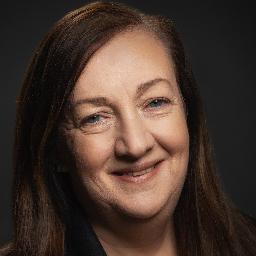
Kathryn Taylor
BACP
12 years in practice
Experienced counsellor with workplace insight
- Stress, Anxiety
- Relationship
- Self esteem

Lucy Nicolaysen
BACP
6 years in practice
Trauma-informed, attachment-focused counsellor
- Relationship
- Family
- Trauma and abuse

Matthew Bridge
BACP
3 years in practice
Compassionate counsellor for trauma and stress
- Stress, Anxiety
- LGBT
- Relationship