
Victoria Webb, BACP, NCPS
Victoria Webb is a counsellor based in the United Kingdom.
About Victoria
Victoria Webb is a counsellor based in the United Kingdom. She holds BACP and NCPS credentials and has three years of professional experience. Victoria focuses on trauma and abuse and helps people facing low self-esteem, depression and career strain.
She aims to make sessions a calm space for talking through difficult feelings. Victoria encourages straightforward conversations about what is happening now and what matters to the person. She keeps language plain and practical so people know what to expect in a session.
Background and approach
Victoria uses client-centred techniques to follow each person's pace and priorities. That means she listens first, then helps people set the next steps they want to take. Mindfulness approaches are used to help people notice difficult thoughts and cope with stress in the moment.
Her work includes supporting people with relationship and family tensions, addictions, grief and intimacy-related issues. She also addresses issues such as dissociation, codependency, guilt and shame, and problems with sleeping or eating. Victoria adapts the sessions to the concern the person brings.
Sessions are offered online by video call, phone, live chat or text messaging. People can expect a collaborative process where goals are reviewed and adjusted over time. To start, a short matching questionnaire helps connect someone to a therapist and schedule the first appointment.
Details from the counsellor's public professional profile · registration number listed
← Browse all counsellorsRegistration
| Body | Registration number | Expires |
|---|---|---|
| BACP | 406825 | March 2026 |
| NCPS | NCS23-04072 | October 2026 |
Registration details are as listed on the counsellor's public profile. You can check any number with the registering body.
Sessions and payment
Sessions are held online through our partner platform, by video, phone or messaging depending on the counsellor.
Cost Costs are shown on the partner platform before you commit. If cost is a concern, ask about reduced-fee options.
Focus areas and approaches
Everything Victoria lists on their public professional profile, in their own terms.
- Trauma and abuse
- Self esteem
- Career difficulties
- Depression
- Coping with life changes
- Addictions
- LGBT
- Relationship issues
- Family conflicts
- Grief
- Intimacy-related issues
- Eating disorders
- Sleeping disorders
- Parenting issues
- Anger management
- Coaching
- Compassion fatigue
- Abandonment
- Avoidant personality
- Blended family issues
- Codependency
- Commitment issues
- Communication problems
- Control issues
- Dissociation
- Domestic violence
- Drug and alcohol addiction
- Emptiness
- Family problems
- Forgiveness
- Guilt and shame
- Hoarding
- Infidelity
- Isolation / loneliness
- Jealousy
- Life purpose
- Midlife crisis
- Narcissism
- Panic disorder and panic attacks
- Postpartum depression
- Post-traumatic stress
- Prejudice and discrimination
- Self-harm
- Self-love
- Sexual assault and abuse
- Social anxiety and phobia
- Women's issues
- Workplace issues
Ways of working Victoria names
Naming an approach is not evidence of training in it. This directory copies what each counsellor lists and does not check training records.
Client-centred and Mindfulness work online
Client-centred therapy is about following the person's lead and creating space for them to say what matters most. It focuses on listening, reflecting and helping people choose the pace and goals of their work, which can suit issues like low self-esteem, relationship strain and career uncertainty.Mindfulness therapy teaches simple attention skills to notice thoughts and bodily sensations without judging them. Those practices can help when stress, anxiety or difficult memories make it hard to think clearly or sleep well.
Finding the right approach is part of the process and will be decided together. The therapist will discuss what feels most useful and adjust techniques to match the person's needs, goals and preferences in a collaborative way.
Online sessions are offered by video call, phone, live chat or text-based messaging to make therapy flexible. Video calls work well for deeper conversations, phone sessions can be easier when bandwidth is limited, and text-based options can fit quick check-ins or people who prefer not to be on camera. These formats make it easier to fit therapy around work, family or travel commitments and keep regular contact between appointments.
Frequently asked
What kinds of problems does Victoria help with?
She supports people dealing with trauma and abuse, low self-esteem, depression and career difficulties. She also helps with relationship strain, grief, addictions and a range of other concerns such as dissociation and codependency.
How would you describe her therapeutic style?
She works in a client-centred way that follows the person's priorities and pace. Mindfulness techniques are also used to help notice thoughts and manage stress in the moment.
How much professional experience does she have?
She has three years of professional work experience in the United Kingdom supporting people with trauma-related and emotional concerns.
What credentials does she hold and where is she based?
She holds BACP and NCPS credentials and practises from the United Kingdom.
Which languages are supported for sessions?
Sessions are offered in English.
Can people outside the UK work with her?
She does not accept international clients at this time.
What session formats are offered?
Sessions are available by video calls, phone sessions, live chat or text-based messaging to suit different needs and schedules.
How does cost and scheduling work?
Cost varies with location and therapist availability and sessions use a subscription that can be cancelled at any time. To begin, use the Start Therapy button, complete a short matching questionnaire, and schedule according to therapist availability.
More counsellors who work with Trauma and abuse
See all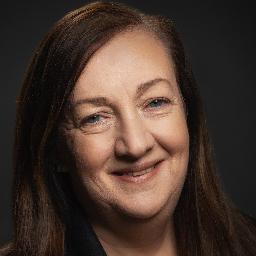
Kathryn Taylor
BACP
12 years in practice
Experienced counsellor with workplace insight
- Stress, Anxiety
- Relationship
- Self esteem

Lucy Nicolaysen
BACP
6 years in practice
Trauma-informed, attachment-focused counsellor
- Relationship
- Family
- Trauma and abuse

Matthew Bridge
BACP
3 years in practice
Compassionate counsellor for trauma and stress
- Stress, Anxiety
- LGBT
- Relationship