
Veedia Ramalingum, BACP
Veedia Ramalingum is a counsellor based in the United Kingdom who helps people facing stress, anxiety, trauma and abuse, low self-esteem, depression and ADHD.
About Veedia
Veedia Ramalingum is a counsellor based in the United Kingdom who helps people facing stress, anxiety, trauma and abuse, low self-esteem, depression and ADHD. She works in English and French and brings four years of professional experience to her practice. Veedia is a member of the British Association for Counselling and Psychotherapy (BACP).
Her style is warm and person-centred. Sessions begin with listening and understanding what matters most to the client.
Background and approach
Veedia aims to create a calm space where people can say what they find hard to say to friends or family. She draws on a mix of practical and reflective methods. Cognitive behavioural techniques help with unhelpful thinking and behaviour.
Attachment-based ideas can help when past relationships affect present emotions. Trauma-focused approaches are used when difficult events need careful attention. Veedia often uses straightforward tools such as thought records, behavioural experiments and journaling.
She also explores meaning and values when that helps someone make sense of their situation. The pace and techniques are agreed together so therapy fits the person’s needs. People who choose Veedia can expect practical steps alongside reflective conversation.
She pays attention to accessibility and small adjustments that make sessions easier, for example changes to tone or sensory needs. Her aim is steady progress rather than quick fixes.
Details from the counsellor's public professional profile · registration number listed
← Browse all counsellorsRegistration
| Body | Registration number | Expires |
|---|---|---|
| BACP | 388472 | March 2026 |
Registration details are as listed on the counsellor's public profile. You can check any number with the registering body.
Sessions and payment
Sessions are held online through our partner platform, by video, phone or messaging depending on the counsellor.
Cost Costs are shown on the partner platform before you commit. If cost is a concern, ask about reduced-fee options.
Focus areas and approaches
Everything Veedia lists on their public professional profile, in their own terms.
- Stress, Anxiety
- Trauma and abuse
- Self esteem
- Depression
- ADHD
- Abandonment
- Attachment issues
- Autism and Asperger Syndrome
- Avoidant personality
- Caregiver issues and stress
- Communication problems
- Dependent personality
- Dissociation
- Divorce and separation
- Domestic violence
- Emptiness
- Family problems
- Fatherhood issues
- Guilt and shame
- Impulsivity
- Infidelity
- Intellectual disability
- Isolation / loneliness
- Life purpose
- Midlife crisis
- Money and financial issues
- Multicultural concerns
- Narcissism
- Panic disorder and panic attacks
- Post-traumatic stress
- Prejudice and discrimination
- Self-harm
- Self-love
- Sexual assault and abuse
- Sexuality
- Social anxiety and phobia
- Women's issues
- Workplace issues
- Young adult issues
Ways of working Veedia names
- Attachment-Based Therapy
- Client-Centred Therapy
- Cognitive Behavioural Therapy (CBT)
- Existential Therapy
- Mindfulness Therapy
- Solution-Focused Therapy
- Trauma-Focused Therapy
- Internal Family Systems
Naming an approach is not evidence of training in it. This directory copies what each counsellor lists and does not check training records.
How therapeutic approaches work online
Trauma-focused therapy involves careful attention to difficult experiences and their effects on daily life. In practice this can mean working at a pace that feels manageable, using grounding techniques and structured methods to reduce distress and help make sense of what happened.Attachment-based therapy looks at how early relationships shape current patterns. It helps people notice recurring ways of relating, learn new relational skills and improve emotional safety in close connections.
Cognitive behavioural therapy, or CBT, offers practical tools to change unhelpful thoughts and behaviours. It often includes simple exercises such as thought records, behavioural experiments and homework tasks to try between sessions.
Veedia will work collaboratively to find the best mix of approaches for each person. Together they will agree goals, try methods and adjust the plan if something is not helpful. Finding the right fit is part of the therapy process rather than a one-time decision.
Online therapy offers flexible ways to meet. Video calls allow face-to-face conversation when visual cues are helpful. Phone sessions use less data and can fit into a short break. Live chat or text-based messaging makes brief check-ins and written reflection possible between longer sessions. These options help people maintain continuity of care around work, family and other commitments.
Frequently asked
What kinds of problems does this counsellor address?
She supports people with stress, anxiety, trauma and abuse, self-esteem issues, depression and ADHD, plus related concerns such as attachment, abandonment and communication problems.
What is her therapeutic style like?
Her style is person-centred and collaborative, starting with listening and building from there. She blends reflective conversation with practical tools to meet each person’s needs.
How much experience does she have?
She has four years of professional experience working in counselling and therapy settings.
What credentials and location are associated with this counsellor?
She is a member of the British Association for Counselling and Psychotherapy (BACP) and works from the United Kingdom.
Which languages are available for sessions?
Sessions are offered in English and French.
What session formats are offered?
Sessions can take place by video call, phone, live chat or text-based messaging.
How are sessions charged?
Cost varies with location and therapist availability; sessions use a subscription that can be cancelled at any time.
How do I begin if I want to work with this counsellor?
Start by selecting the Start Therapy button, completing a short matching questionnaire, and then schedule a session according to the therapist’s availability.
More counsellors who work with Stress, Anxiety
See all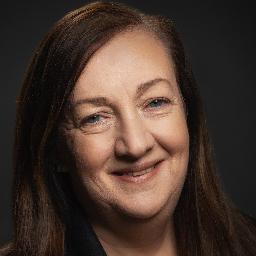
Kathryn Taylor
BACP
12 years in practice
Experienced counsellor with workplace insight
- Stress, Anxiety
- Relationship
- Self esteem

Lucy Nicolaysen
BACP
6 years in practice
Trauma-informed, attachment-focused counsellor
- Relationship
- Family
- Trauma and abuse

Matthew Bridge
BACP
3 years in practice
Compassionate counsellor for trauma and stress
- Stress, Anxiety
- LGBT
- Relationship