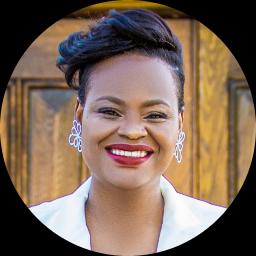
About D.
D. Sophia Arthur-Uchendu introduces herself as Sophia and focuses on helping adults manage stress, anxiety, relationship strain, family tensions, trauma and abuse, parenting challenges, and grief. She writes in a direct, welcoming way and aims to keep each person at the centre of work.
Sessions are shaped around what the client needs most in that moment. Sophia uses a mix of approaches rather than a single method. That means she draws on Trauma-Focused Therapy, Client-Centred ways of working, Cognitive Behavioural Therapy (CBT) and psychodynamic ideas when they make sense.
Background and approach
She also includes psychoeducation so people can understand what drives their thoughts and reactions. Her practice has a strong trauma-informed orientation and often addresses how past hurts affect day-to-day life now. She pays attention to attachment, grief, family patterns and issues that can surface around adoption, foster care and immigration.
Work can include restoring communication and managing jealousy, guilt or midlife questions. Sophia holds BACP as a credential and has around five years of professional experience. She practices in the United Kingdom and offers sessions in English.
International clients are accepted, and she is open to integrating clients’ faith where relevant. Therapy sessions are adapted to each person. Some people use CBT tools for managing anxiety.
Others benefit from talking through relationship patterns or exploring the effects of past trauma. Sophia aims to join clients in the process and tailor support to their goals.
Details from the counsellor's public professional profile · registration number listed
← Browse all counsellorsRegistration
| Body | Registration number | Expires |
|---|---|---|
| BACP | 400139 | July 2026 |
Registration details are as listed on the counsellor's public profile. You can check any number with the registering body.
Sessions and payment
Sessions are held online through our partner platform, by video, phone or messaging depending on the counsellor.
Cost Costs are shown on the partner platform before you commit. If cost is a concern, ask about reduced-fee options.
Focus areas and approaches
Everything D. lists on their public professional profile, in their own terms.
- Stress, Anxiety
- Relationship issues
- Family conflicts
- Trauma and abuse
- Parenting issues
- Grief
- Adoption and foster care
- Aging and geriatric issues
- Attachment issues
- Blended family issues
- Communication problems
- Family problems
- Guilt and shame
- Hospice and end-of-life counselling
- Immigration issues
- Infidelity
- Isolation / loneliness
- Jealousy
- Life purpose
- Men's issues
- Midlife crisis
- Veteran and Armed Forces Issues
- Multicultural concerns
- Post-traumatic stress
- Self-love
- Social anxiety and phobia
- Women's issues
- Workplace issues
- Young adult issues
Ways of working D. names
- Client-Centred Therapy
- Cognitive Behavioural Therapy (CBT)
- Psychodynamic Therapy
- Trauma-Focused Therapy
Naming an approach is not evidence of training in it. This directory copies what each counsellor lists and does not check training records.
How her approaches translate to online therapy
Trauma-Focused Therapy here aims to gently address the effects of traumatic events by helping people understand triggers and learn ways to reduce distress. It often combines talking about memories with practical strategies to manage intense feelings.Client-Centred Therapy focuses on listening without judgement and following the client's lead. This approach helps people feel heard and can be useful for exploring relationship patterns, parenting concerns or grief at a comfortable pace.
Cognitive Behavioural Therapy (CBT) offers structured tools to change unhelpful thinking and behaviour. It is commonly used for anxiety, stress and mood issues and includes simple exercises to practise between sessions.
Choosing the right approach is part of the work. The therapist will discuss goals, preferences and what feels most helpful, then adapt methods collaboratively. Clients and the therapist review progress and adjust the plan as needed.
Online sessions come in several formats to suit different situations. Video calls recreate a face-to-face conversation and are useful for in-depth work. Phone sessions use less bandwidth and can be easier for brief check-ins. Live chat and text-based messaging suit people who prefer writing, need short updates, or want flexibility across the day. These options make it easier to fit therapy around work, family and travel while keeping the focus on the therapeutic goals.
Frequently asked
What concerns does Sophia commonly help with?
She works with stress, anxiety, relationship and family issues, parenting challenges, grief, and trauma and abuse. Additional focuses include adoption and foster care, attachment issues, infidelity and midlife concerns.
What is her therapeutic style like?
Her style is client-centred and trauma-informed, keeping the person's needs at the heart of each session. She mixes practical tools with reflective conversation and educational input.
How much experience does she have?
She has five years of professional experience working with adults on a range of issues including anxiety, grief and relationship problems.
What credentials and region are listed?
She holds BACP and practices in the United Kingdom.
Which languages are supported and can international clients join?
Sessions are offered in English and international clients are accepted.
In what formats are sessions offered?
Sessions can be arranged as video calls, phone sessions, live chat, or text-based messaging to suit different needs and schedules.
How does the cost and payment work?
Cost varies with location and therapist availability; sessions use a subscription that can be cancelled at any time.
How do I begin working with her?
Use the Start Therapy button, complete a short matching questionnaire, and schedule sessions according to therapist availability.
More counsellors who work with Stress, Anxiety
See all
Kathryn Taylor
BACP
12 years in practice
Experienced counsellor with workplace insight
- Stress, Anxiety
- Relationship
- Self esteem

Lucy Nicolaysen
BACP
6 years in practice
Trauma-informed, attachment-focused counsellor
- Relationship
- Family
- Trauma and abuse

Matthew Bridge
BACP
3 years in practice
Compassionate counsellor for trauma and stress
- Stress, Anxiety
- LGBT
- Relationship