
About Sarah
Dr. Sarah Enderby works with people facing stress, anxiety, relationship and intimacy issues, trauma and abuse, grief, and questions about identity and sexual orientation. She also helps with sleep and eating difficulties, parenting strain, career concerns, compassion fatigue and the difficulties that come with major life changes.
Sarah uses a calm, curious approach in sessions. She aims to make therapy feel straightforward and respectful. Conversations focus on what is happening now and how past experiences shape present feelings and choices.
Background and approach
Her background includes a Doctorate and a Master of Arts degree, and she holds BACP accreditation. Before becoming a counsellor she spent many years researching consumer behaviour in the corporate world, which shaped her interest in what motivates people. In practice she draws on psychodynamic ideas to understand patterns that repeat over time.
She also uses attachment-based work to look at close relationships and Internal Family Systems to help people notice different parts of themselves. The Gottman Method informs her way of addressing communication and intimacy in partnerships. Sessions are intended to feel like a place to talk honestly without judgment.
Sarah supports practical steps together with deeper exploration so people can start making small, manageable changes. She encourages people to set the pace and aims to make each meeting useful and clear. Many clients come with long-standing issues that feel stuck or painful.
Sarah aims to help people find clearer choices, stronger boundaries and a better sense of who they are as they move forward.
Details from the counsellor's public professional profile · registration number listed
← Browse all counsellorsRegistration
| Body | Registration number | Expires |
|---|---|---|
| BACP | 395836 | January 2027 |
Registration details are as listed on the counsellor's public profile. You can check any number with the registering body.
Sessions and payment
Sessions are held online through our partner platform, by video, phone or messaging depending on the counsellor.
Cost Costs are shown on the partner platform before you commit. If cost is a concern, ask about reduced-fee options.
Focus areas and approaches
Everything Sarah lists on their public professional profile, in their own terms.
- Stress, Anxiety
- LGBT
- Relationship issues
- Intimacy-related issues
- Coping with life changes
- Family conflicts
- Trauma and abuse
- Grief
- Eating disorders
- Sleeping disorders
- Parenting issues
- Anger management
- Self esteem
- Career difficulties
- Depression
- Coaching
- Compassion fatigue
- ADHD
- Abandonment
- Attachment issues
- Avoidant personality
- Codependency
- Commitment issues
- Communication problems
- Control issues
- Divorce and separation
- Emptiness
- Family of origin issues
- Forgiveness
- Guilt and shame
- Infidelity
- Isolation / loneliness
- Jealousy
- Life purpose
- Midlife crisis
- Narcissism
- Self-love
- Sexuality
- Women's issues
- Workplace issues
Ways of working Sarah names
- Attachment-Based Therapy
- Client-Centred Therapy
- Gottman Method
- Psychodynamic Therapy
- Internal Family Systems
- Systemic Therapy
Naming an approach is not evidence of training in it. This directory copies what each counsellor lists and does not check training records.
How different approaches translate to online therapy
Attachment-based work looks at how early relationships shape current bonds and emotional safety; online sessions can help people notice patterns in how they relate and practise new ways of connecting. Client-centred therapy focuses on listening and reflecting what matters to the person, helping people feel understood and heard while they make their own choices. Psychodynamic therapy explores recurring themes and unconscious patterns across a person’s life, offering a chance to understand where feelings originate and how they repeat.Finding the right approach is part of the work. The therapist will discuss goals, preferences and current needs and will collaborate on which methods to use. That planning often changes over time as issues become clearer and different techniques become more helpful.
Online formats offer practical flexibility. Video calls are useful for face-to-face conversation and visual cues. Phone sessions can fit into a busy day or use less bandwidth. Live chat and text messaging are suited to shorter check-ins, quick reflections or when writing feels easier than speaking. Together these options make it simpler to keep continuity of care and to fit therapy around work, family and travel.
Frequently asked
What kinds of problems does this counsellor address?
She supports people with stress, anxiety, trauma and abuse, relationship and intimacy issues, grief, self-esteem and identity concerns including LGBT matters.
What is the general style of therapy like?
Work is calm and exploratory, mixing practical suggestions with deeper reflection on patterns from past relationships and current life.
How much clinical experience does she have?
She has five years of direct therapeutic experience, alongside a long professional background in corporate research.
What professional credential does she hold and where is she based?
She is registered with BACP and practices from the United Kingdom.
Which languages are supported for sessions?
Sessions are offered in English.
Which session formats are available online?
She offers video calls, phone sessions, live chat and text-based messaging to suit different needs.
How are sessions paid for and what do they cost?
Cost varies with location and therapist availability; sessions use a subscription that can be cancelled at any time.
What do I need to do to begin working with her?
Select the Start Therapy button, complete a short matching questionnaire, then schedule sessions once matched according to therapist availability.
More counsellors who work with Stress, Anxiety
See all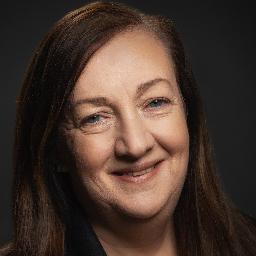
Kathryn Taylor
BACP
12 years in practice
Experienced counsellor with workplace insight
- Stress, Anxiety
- Relationship
- Self esteem
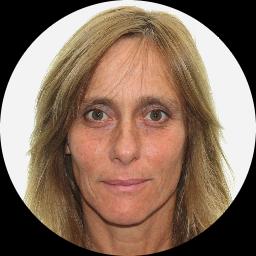
Lucy Nicolaysen
BACP
6 years in practice
Trauma-informed, attachment-focused counsellor
- Relationship
- Family
- Trauma and abuse

Matthew Bridge
BACP
3 years in practice
Compassionate counsellor for trauma and stress
- Stress, Anxiety
- LGBT
- Relationship