
Peter Turner, BACP
Peter Turner offers support for a wide range of concerns including stress, anxiety, depression, trauma and abuse, addictions, ADHD and problems with sleep and eating.
About Peter
Peter Turner offers support for a wide range of concerns including stress, anxiety, depression, trauma and abuse, addictions, ADHD and problems with sleep and eating. He also helps people facing big life changes, career questions, low self-esteem and relationship difficulties. Peter uses a calm, respectful style and aims to help people feel understood while they work through practical steps to feel better.
He works from a person-centred outlook which means sessions focus on the client's priorities and pace.
Background and approach
He also uses cognitive behavioural techniques to identify unhelpful thinking and develop new coping strategies. Mindfulness practices are introduced where they can help with stress, focus and emotional regulation. Peter believes people have strengths they can build on.
In sessions he listens closely, reflects what he hears, and helps set manageable goals. Conversations are plain and practical, with tools and exercises you can try between meetings. He has 11 years of professional experience and is a member of the British Association for Counselling and Psychotherapy, BACP.
That membership is shown as BACP here. Sessions are offered in English and are available via several online formats. He works with adults on individual concerns and draws on experience across mood, anxiety, trauma and behavioural issues.
People who choose to work with him can expect steady pacing, clear suggestions, and a focus on building skills for everyday life.
Details from the counsellor's public professional profile · registration number listed
← Browse all counsellorsRegistration
| Body | Registration number | Expires |
|---|---|---|
| BACP | 124521 | March 2026 |
Registration details are as listed on the counsellor's public profile. You can check any number with the registering body.
Sessions and payment
Sessions are held online through our partner platform, by video, phone or messaging depending on the counsellor.
Cost Costs are shown on the partner platform before you commit. If cost is a concern, ask about reduced-fee options.
Focus areas and approaches
Everything Peter lists on their public professional profile, in their own terms.
- Stress, Anxiety
- Self esteem
- Depression
- Coping with life changes
- ADHD
- Addictions
- Relationship issues
- Trauma and abuse
- Grief
- Eating disorders
- Sleeping disorders
- Anger management
- Career difficulties
- Bipolar disorder
- Coaching
- Abandonment
- Attachment issues
- Avoidant personality
- Hoarding
- Impulsivity
- Isolation / loneliness
- Life purpose
- Men's issues
- Money and financial issues
- Obsessions, compulsions, and OCD
- Panic disorder and panic attacks
- Paranoia
- Post-traumatic stress
- Process addiction (porn, exercise, gambling)
- Seasonal Affective Disorder (SAD)
- Self-harm
- Self-love
- Social anxiety and phobia
- Workplace issues
Ways of working Peter names
Naming an approach is not evidence of training in it. This directory copies what each counsellor lists and does not check training records.
Practical approaches for online therapy
Peter uses Client-Centred Therapy to place the person's priorities at the heart of sessions. That approach means the therapist listens carefully, reflects back what is said and lets the client set the pace and topics to work on. It is useful when someone wants supportive, non-judgemental space to make changes.Cognitive Behavioural Therapy, or CBT, focuses on spotting unhelpful thinking and testing new ways of responding. CBT is often used for anxiety, low mood, panic and problems with sleep or focus because it gives clear exercises and strategies to practise between sessions.
Mindfulness Therapy introduces simple attention and breathing practices to reduce reactivity and improve focus. These techniques can help with stress, rumination and waking at night.
Finding the right mix of approaches is a collaborative process. The therapist will work with the client to choose and adapt methods based on their goals, preferences and what feels most helpful in early sessions. Goals and techniques are reviewed as work progresses so the plan can change when needed.
Online formats include video calls, phone sessions, live chat and text-based messaging. Video is useful for a full face-to-face style meeting, phone can be easier when bandwidth is limited, live chat or messaging suits short check-ins or when typing feels more comfortable. These options create flexibility for fitting therapy around work, family and daily life.
Frequently asked
What kinds of problems does Peter help with?
He supports people dealing with stress, anxiety, depression, trauma and abuse, addictions, ADHD, sleep and eating difficulties, low self-esteem, relationship strains and career or life-change challenges.
How would you describe his therapy style?
Peter uses a person-centred approach that keeps the client's priorities central, combined with practical cognitive behavioural tools and mindfulness where helpful.
How much experience does he have?
He has 11 years of professional experience working with a range of mood, anxiety and behavioural concerns.
What credentials and region are listed?
He is listed with BACP and works in the United Kingdom.
Which languages are supported and can international clients join?
Sessions are offered in English and international clients are not currently accepted.
What session formats are available?
Work is offered via video calls, phone sessions, live chat, or text-based messaging to suit different needs and schedules.
How are costs handled?
Cost varies with location and therapist availability; sessions are provided through a subscription that can be cancelled at any time.
How do I begin if I want to try therapy?
Start by selecting the Start Therapy button, complete a short matching questionnaire, and schedule sessions according to therapist availability.
More counsellors who work with Stress, Anxiety
See all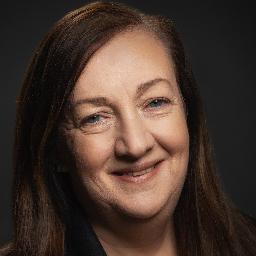
Kathryn Taylor
BACP
12 years in practice
Experienced counsellor with workplace insight
- Stress, Anxiety
- Relationship
- Self esteem

Lucy Nicolaysen
BACP
6 years in practice
Trauma-informed, attachment-focused counsellor
- Relationship
- Family
- Trauma and abuse

Matthew Bridge
BACP
3 years in practice
Compassionate counsellor for trauma and stress
- Stress, Anxiety
- LGBT
- Relationship