
Paula Smyton, BACP
Paula Smyton is a UK counsellor with ten years' experience in counselling services, education, mental health settings and independent practice.
About Paula
Paula Smyton is a UK counsellor with ten years' experience in counselling services, education, mental health settings and independent practice. She holds BACP accreditation and works from a psychodynamic and integrative perspective. Paula aims to offer a calm, compassionate space for people who feel overwhelmed, exhausted, or stuck.
Many people who come to Paula have been managing alone for a long time. They may look fine on the outside while feeling anxious, low, or worn down by relationship or family pressures.
Background and approach
Paula meets these concerns with practical attention and an eye for patterns that repeat across relationships and life stages. In sessions she encourages reflection and gentle enquiry rather than pressure to have immediate answers. Paula helps clients make sense of difficult thoughts and feelings while staying grounded in everyday life.
Work can include looking at past experiences that still affect the present and trying out new ways of handling stressful moments. Her approach draws on psychodynamic ideas alongside person-centred and solution-focused ways of working. Paula will adapt the sessions to what each person needs, balancing deeper exploration with practical steps to cope better day to day.
People often come to Paula for worries about stress, anxiety, depression, relationship and family issues, parenting strains, bereavement, trauma and abuse, or concerns about intimacy and self-esteem. She also supports those facing career changes, eating or sleeping difficulties, anger, bipolar-related challenges, and other life transitions. Paula aims to make the first step straightforward.
She offers a steady, non-judgemental space where someone can start to unburden themselves, notice patterns, and work out small changes that help them feel less alone.
Details from the counsellor's public professional profile · registration number listed
← Browse all counsellorsRegistration
| Body | Registration number | Expires |
|---|---|---|
| BACP | 82625 | October 2026 |
Registration details are as listed on the counsellor's public profile. You can check any number with the registering body.
Sessions and payment
Sessions are held online through our partner platform, by video, phone or messaging depending on the counsellor.
Cost Costs are shown on the partner platform before you commit. If cost is a concern, ask about reduced-fee options.
Focus areas and approaches
Everything Paula lists on their public professional profile, in their own terms.
- Stress, Anxiety
- Relationship issues
- Family conflicts
- Parenting issues
- Depression
- LGBT
- Trauma and abuse
- Grief
- Intimacy-related issues
- Eating disorders
- Sleeping disorders
- Anger management
- Self esteem
- Career difficulties
- Bipolar disorder
- Coping with life changes
Ways of working Paula names
- Acceptance and Commitment Therapy (ACT)
- Client-Centred Therapy
- Cognitive Behavioural Therapy (CBT)
- Dialectical Behaviour Therapy (DBT)
- Psychodynamic Therapy
- Solution-Focused Therapy
Naming an approach is not evidence of training in it. This directory copies what each counsellor lists and does not check training records.
Approaches online and how they help
Psychodynamic work looks at how past experiences and relationship patterns influence current feelings and reactions. It can help when someone notices recurring difficulties in relationships or a sense that old patterns keep reappearing.Acceptance and Commitment Therapy (ACT) focuses on noticing thoughts and feelings without getting swept away by them, and on choosing actions that match personal values. It often helps with anxiety, stress and finding direction during life changes.
Paula will work with each person to find the best approach. She talks with clients about their goals, needs and preferences and combines methods where useful. That means sessions can move between deeper reflection and practical skills depending on what helps most.
Online therapy offers practical flexibility. Video calls mirror face-to-face sessions and suit in-depth work, phone sessions can be a good option when bandwidth is limited, and live chat or text messaging make shorter check-ins or ongoing support easier to fit into a busy week. These options let people maintain continuity of care while balancing work, family and other commitments.
Frequently asked
What issues does Paula help with?
She supports people with stress, anxiety, depression, relationship and family challenges, parenting strains, grief, trauma and abuse, intimacy issues, eating and sleeping problems, anger, self-esteem, career matters, bipolar-related concerns and coping with life changes.
How would you describe her therapeutic style?
Her style is calm and reflective, combining psychodynamic exploration with person-centred listening and solution-focused tools to help with practical coping.
What is her professional background?
She has around 10 years' experience working across counselling services, education, mental health settings and independent practice.
What credentials and location are provided?
Paula holds BACP accreditation and is based in the United Kingdom.
Which languages are sessions offered in?
Sessions are offered in English and she does accept international clients.
In what formats are sessions available?
Sessions can take place via video calls, phone sessions, live chat, or text-based messaging depending on what suits the client.
How is cost handled for sessions?
Cost varies with location and therapist availability; sessions use a subscription model that can be cancelled at any time.
What are the steps to begin therapy?
Start by selecting the Start Therapy button, complete a short matching questionnaire, and then schedule sessions according to the therapist's availability.
More counsellors who work with Stress, Anxiety
See all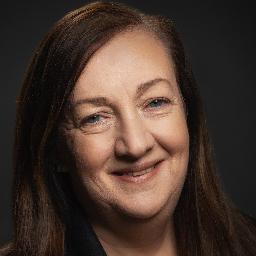
Kathryn Taylor
BACP
12 years in practice
Experienced counsellor with workplace insight
- Stress, Anxiety
- Relationship
- Self esteem

Lucy Nicolaysen
BACP
6 years in practice
Trauma-informed, attachment-focused counsellor
- Relationship
- Family
- Trauma and abuse

Matthew Bridge
BACP
3 years in practice
Compassionate counsellor for trauma and stress
- Stress, Anxiety
- LGBT
- Relationship