
Paul Prescott, BACP
Paul Prescott is a counsellor who aims to help people feeling overwhelmed by stress, anxiety, relationship or intimacy issues.
About Paul
Paul Prescott is a counsellor who aims to help people feeling overwhelmed by stress, anxiety, relationship or intimacy issues. He supports people coping with grief, trauma and life changes, and those struggling with sleep, addictions or low self-esteem. Paul works with people across sexual orientations and with concerns linked to parenting, anger and ADHD.
He practices in the United Kingdom and communicates in English. Paul uses a blend of conversational and evidence-informed approaches.
Background and approach
Early sessions focus on understanding what matters to the person and what practical steps feel manageable. He helps people name patterns in thoughts and behaviours, then experiments with small changes to reduce distress and improve everyday functioning. His style is warm and non-judgemental.
He aims to build an authentic working relationship and invites people to shape the pace and focus of sessions. Discussions may cover feelings, attachment history, personal values and everyday habits that influence wellbeing. Paul trained and works within the frameworks of Acceptance and Commitment Therapy, Attachment-Based approaches and Cognitive Behavioural Therapy alongside trauma-focused methods.
These approaches are used to address problems such as anxiety, relationship difficulties, trauma and grief in ways that fit each person. Clients describe the practical work as collaborative - setting small, realistic steps and checking what helps. Paul emphasises finding meaning and choice, helping people reconnect with what gives life value as they move through change.
Details from the counsellor's public professional profile · registration number listed
← Browse all counsellorsRegistration
| Body | Registration number | Expires |
|---|---|---|
| BACP | 382437 | October 2026 |
Registration details are as listed on the counsellor's public profile. You can check any number with the registering body.
Sessions and payment
Sessions are held online through our partner platform, by video, phone or messaging depending on the counsellor.
Cost Costs are shown on the partner platform before you commit. If cost is a concern, ask about reduced-fee options.
Focus areas and approaches
Everything Paul lists on their public professional profile, in their own terms.
- Stress, Anxiety
- Relationship issues
- Intimacy-related issues
- Self esteem
- Coping with life changes
- Addictions
- LGBT
- Family conflicts
- Trauma and abuse
- Grief
- Sleeping disorders
- Parenting issues
- Anger management
- Depression
- Compassion fatigue
- ADHD
- Antisocial personality
- Attachment issues
- Avoidant personality
- BDSM, kink, and alternative sex culture
- Blended family issues
- Body image
- Commitment issues
- Communication problems
- Control issues
- Dependent personality
- Divorce and separation
- Domestic violence
- Family problems
- Fatherhood issues
- Forgiveness
- Guilt and shame
- Infidelity
- Isolation / loneliness
- Jealousy
- Life purpose
- Men's issues
- Midlife crisis
- Veteran and Armed Forces Issues
- Obsessions, compulsions, and OCD
- Panic disorder and panic attacks
- Paranoia
- Polyamory / non-monogamous relationships
- Post-traumatic stress
- Process addiction (porn, exercise, gambling)
- Self-love
- Sex addiction
- Sexual assault and abuse
- Sexual dysfunction
- Sexuality
- Social anxiety and phobia
- Women's issues
- Young adult issues
Ways of working Paul names
- Acceptance and Commitment Therapy (ACT)
- Attachment-Based Therapy
- Client-Centred Therapy
- Cognitive Behavioural Therapy (CBT)
- Emotionally-Focused Therapy (EFT)
- Existential Therapy
- Jungian Therapy
- Mindfulness Therapy
- Psychodynamic Therapy
- Solution-Focused Therapy
- Trauma-Focused Therapy
Naming an approach is not evidence of training in it. This directory copies what each counsellor lists and does not check training records.
Approaches that translate well to online therapy
Trauma-focused work aims to help people process distressing events and reduce their everyday impact. This can involve grounding strategies, paced exploration of difficult memories and learning ways to manage strong emotions so daily life feels more manageable.Acceptance and Commitment Therapy (ACT) helps people clarify what matters to them and take small actions that fit their values. It focuses on noticing thoughts and feelings without getting stuck in them and building a more meaningful day-to-day routine.
Attachment-Based approaches look at how past relationships affect current patterns. Talking about attachment helps people understand why they react in certain ways and practise new ways of connecting or setting boundaries.
Finding the right approach is part of the work. Paul will discuss options with each person and together they will choose methods that match the client's goals and preferences. This collaborative process makes it easier to try different techniques and adjust as needed.
Online sessions are offered by video call, phone, live chat or text-based messaging. Video is useful for deeper conversational work and non-verbal cues. Phone calls can be clearer when internet bandwidth is limited. Live chat or messaging suits brief check-ins, written reflection or people who prefer not to be on camera. These options provide flexibility to fit therapy around work, family life and travel.
Frequently asked
What problems does Paul commonly help with?
He supports people dealing with stress, anxiety, depression, trauma and grief. He also helps with relationship and intimacy issues, parenting concerns, addictions and sleep difficulties.
What is Paul’s therapeutic approach like?
Sessions are collaborative and conversational, focusing on values, patterns and practical steps. He mixes Acceptance and Commitment Therapy, attachment-informed work and cognitive behavioural techniques to suit each person.
How much experience does he have?
Paul has seven years of professional experience working with people on a range of emotional and relational issues.
What credentials and location apply?
He is registered with the BACP and practises in the United Kingdom.
Can I see him if I live outside the UK or speak another language?
Sessions are offered in English and international clients are accepted.
Which session formats are available?
Paul offers video calls, phone sessions, live chat and text-based messaging to suit different needs and schedules.
How does payment and cost work?
Cost varies with location and therapist availability and sessions use a subscription model that can be cancelled at any time.
What should I do to begin therapy?
Start by selecting the Start Therapy button, complete a short matching questionnaire and then schedule sessions based on the therapist's availability.
More counsellors who work with Stress, Anxiety
See all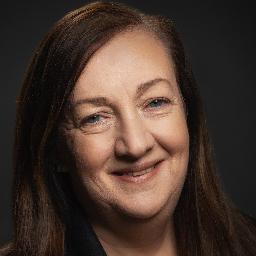
Kathryn Taylor
BACP
12 years in practice
Experienced counsellor with workplace insight
- Stress, Anxiety
- Relationship
- Self esteem

Lucy Nicolaysen
BACP
6 years in practice
Trauma-informed, attachment-focused counsellor
- Relationship
- Family
- Trauma and abuse

Matthew Bridge
BACP
3 years in practice
Compassionate counsellor for trauma and stress
- Stress, Anxiety
- LGBT
- Relationship