
Matthew Groom, BACP
Matthew Groom is a counsellor with six years' experience working across the NHS, charity sector and independent practice in the United Kingdom.
About Matthew
Matthew Groom is a counsellor with six years' experience working across the NHS, charity sector and independent practice in the United Kingdom. He supports people facing stress, anxiety, depression, relationship strain and trauma. He also works with clients from LGBT backgrounds and with issues around addiction, anger and career pressures.
Matthew keeps sessions straightforward and calm. He encourages people to talk at their own pace and focuses on listening first.
Background and approach
The aim is to help people feel heard and understood before any practical steps are suggested. In sessions he helps people untangle patterns such as attachment problems, codependency and control issues. He also addresses complex topics like dissociation, abandonment, and the emotional impacts of infidelity or divorce.
Conversations may cover feelings of emptiness, guilt, shame or isolation. Matthew is familiar with conversations about BDSM, kink and alternative sex culture and offers a non-judgemental space to discuss those matters. He also helps with work-related stress, compassion fatigue and managing mood shifts associated with bipolar experience.
People can expect a collaborative approach that balances listening with practical next steps. Matthew explains ideas plainly and works with each person to find what helps them day to day. He offers sessions in English and accepts international clients.
Details from the counsellor's public professional profile · registration number listed
← Browse all counsellorsRegistration
| Body | Registration number | Expires |
|---|---|---|
| BACP | 399706 | February 2027 |
Registration details are as listed on the counsellor's public profile. You can check any number with the registering body.
Sessions and payment
Sessions are held online through our partner platform, by video, phone or messaging depending on the counsellor.
Cost Costs are shown on the partner platform before you commit. If cost is a concern, ask about reduced-fee options.
Focus areas and approaches
Everything Matthew lists on their public professional profile, in their own terms.
- Stress, Anxiety
- LGBT
- Relationship issues
- Trauma and abuse
- Depression
- Addictions
- Anger management
- Career difficulties
- Bipolar disorder
- Compassion fatigue
- Abandonment
- Attachment issues
- BDSM, kink, and alternative sex culture
- Codependency
- Commitment issues
- Communication problems
- Control issues
- Dissociation
- Divorce and separation
- Emptiness
- Forgiveness
- Guilt and shame
- Infidelity
- Isolation / loneliness
- Jealousy
- Men's issues
- Midlife crisis
- Mood disorders
- Narcissism
- Panic disorder and panic attacks
- Polyamory / non-monogamous relationships
- Post-traumatic stress
- Self-love
- Sexuality
- Social anxiety and phobia
- Workplace issues
Practical approaches and online therapy options
Matthew uses evidence-based therapeutic techniques that focus on understanding patterns and building coping skills. One common approach he uses helps people identify unhelpful thoughts and behaviours, then tests small changes in daily life to reduce stress and anxiety. This approach suits worries, low mood and work-related pressure.He also works on attachment-related themes by exploring how early relationships shape expectations and reactions today. That work helps with feelings of abandonment, communication problems and difficulty forming close connections. For trauma and abuse he focuses on pacing conversations, grounding techniques and stabilising routines so people can manage strong emotions between sessions.
Choosing the right approach is a shared process. Matthew listens to a person's history, current goals and what feels manageable, then suggests ways to proceed. He checks in regularly and adjusts methods based on progress and personal preference.
Online therapy offers practical flexibility for busy lives. Video calls allow for in-depth conversations and non-verbal cues, phone sessions work well when bandwidth is limited, and live chat or text-based messaging suit brief check-ins or people who prefer writing. These formats make it easier to fit therapy around work, travel or different time zones while still keeping therapy consistent and accessible.
Frequently asked
What concerns does Matthew commonly help with?
He works with stress, anxiety, depression, trauma and relationship problems. Additional areas include addiction, anger, career stress and issues linked to attachment and abandonment.
How would you describe his therapeutic style?
Sessions focus on listening first and creating an open space to talk. He then works collaboratively to identify practical steps and ways to manage day-to-day difficulties.
What experience does he bring?
He has six years' professional experience across the NHS, charity services and independent practice. That range informs a practical approach to different life challenges.
What credentials and location are listed?
Matthew is listed with the British Association for Counselling and Psychotherapy (BACP) and is based in the United Kingdom.
Which languages are supported and can international clients join?
Sessions are offered in English and international clients are accepted.
How are sessions delivered?
He offers video calls, phone sessions, live chat and text-based messaging to suit different needs and schedules.
How does payment and cost work?
Cost varies with location and therapist availability and sessions use a subscription model that can be cancelled at any time.
What are the first steps to start therapy?
Select the Start Therapy button, complete a short matching questionnaire, and schedule sessions according to the therapist's availability.
More counsellors who work with Stress, Anxiety
See all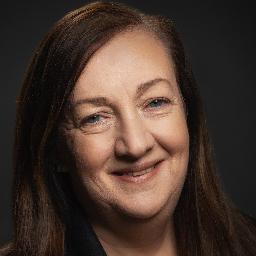
Kathryn Taylor
BACP
12 years in practice
Experienced counsellor with workplace insight
- Stress, Anxiety
- Relationship
- Self esteem

Lucy Nicolaysen
BACP
6 years in practice
Trauma-informed, attachment-focused counsellor
- Relationship
- Family
- Trauma and abuse

Matthew Bridge
BACP
3 years in practice
Compassionate counsellor for trauma and stress
- Stress, Anxiety
- LGBT
- Relationship