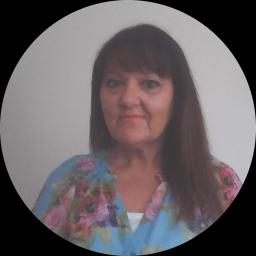
Margaret Keith, BACP, NCPS
Margaret Keith is a counsellor with 12 years of professional experience based in the United Kingdom.
About Margaret
Margaret Keith is a counsellor with 12 years of professional experience based in the United Kingdom. She helps people who are dealing with stress, anxiety, relationship strain, grief and loss, low self-esteem, motivation and confidence. Her approach is warm and respectful, and she aims to make the first steps toward change feel manageable.
She shapes conversations around each person's situation rather than using a one-size-fits-all method. Sessions focus on practical strategies, clearer thinking and small changes that add up over time.
Background and approach
Margaret pays attention to how everyday life and past experiences affect mood and behaviour. Margaret also supports people facing challenges such as addictions, eating and sleeping problems, compassion fatigue and coping with life changes. She works with issues related to intimacy, parenting stresses, career decisions and identity concerns including LGBT matters.
Trauma and abuse are among the areas she addresses with sensitivity. Her background includes registration with BACP and NCPS, which are noted professional credentials in the UK. Over a dozen years of practice have given her experience across a wide range of concerns and client stories.
In sessions she aims to empower people to set realistic goals and practise new skills between meetings. She invites questions, adjusts plans as needed and encourages clients to take the pace that suits them.
Details from the counsellor's public professional profile · registration number listed
← Browse all counsellorsRegistration
| Body | Registration number | Expires |
|---|---|---|
| BACP | 57110 | February 2026 |
| NCPS | NSC-00918 | February 2026 |
Registration details are as listed on the counsellor's public profile. You can check any number with the registering body.
Sessions and payment
Sessions are held online through our partner platform, by video, phone or messaging depending on the counsellor.
Cost Costs are shown on the partner platform before you commit. If cost is a concern, ask about reduced-fee options.
Focus areas and approaches
Everything Margaret lists on their public professional profile, in their own terms.
- Stress, Anxiety
- Relationship issues
- Grief
- Self esteem
- Career difficulties
- Addictions
- LGBT
- Family conflicts
- Trauma and abuse
- Intimacy-related issues
- Eating disorders
- Sleeping disorders
- Parenting issues
- Anger management
- Bipolar disorder
- Depression
- Coping with life changes
- Coaching
- Compassion fatigue
- ADHD
- Abandonment
- Antisocial personality
- Autism and Asperger Syndrome
- Avoidant personality
- Body image
- Caregiver issues and stress
- Commitment issues
- Communication problems
- Control issues
- Dissociation
- Domestic violence
- Drug and alcohol addiction
- Eating and food-related issues
- Emptiness
- Forgiveness
- Guilt and shame
- Hoarding
- Hospice and end-of-life counselling
- Impulsivity
- Isolation / loneliness
- Life purpose
- Midlife crisis
- Veteran and Armed Forces Issues
- Money and financial issues
- Mood disorders
- Narcissism
- Obsessions, compulsions, and OCD
- Panic disorder and panic attacks
- Personality disorders
- Post-traumatic stress
- Self-love
- Social anxiety and phobia
- Women's issues
- Workplace issues
Therapeutic approaches for online work
Margaret uses evidence-based therapeutic techniques chosen to fit the person in front of her. One common approach focuses on practical coping skills and problem-solving to reduce anxiety and manage stress; it helps people build small habits and clearer routines. Another approach looks at relationships and communication, helping people understand patterns, practise new ways of speaking and set boundaries that feel workable. These methods are adapted when trauma or abuse are part of someone's history, with attention to pacing and safety during online sessions.Choosing the right approach is part of the work together. She will talk through goals, preferences and how you respond to different methods, then adjust plans as therapy progresses. That collaborative process helps find a style that fits the person's needs and life circumstances.
Online sessions are offered by video call, phone, live chat and text-based messaging to make counselling more flexible. Video is useful for face-to-face conversation and visual cues, phone works well when bandwidth is limited, live chat can suit shorter check-ins and text messaging is handy for ongoing reflection between sessions. These options help people fit therapy around work, family and daily life.
Frequently asked
What kinds of concerns does this counsellor help with?
She supports people with stress, anxiety, relationships, grief, self-esteem, career struggles, addictions and trauma-related issues.
What is the therapeutic style and approach?
Sessions are conversational and practical, focusing on tailored plans, clearer thinking and skills to use between appointments.
How much experience does she have?
She has 12 years of professional experience working with a wide range of mental health and life concerns.
What credentials and location are listed?
She is listed with BACP and NCPS and is based in the United Kingdom.
Which languages are sessions offered in?
Sessions are offered in English.
Are international clients accepted?
International clients are not currently accepted.
What formats are available for sessions?
Sessions can take place by video call, phone, live chat or through text-based messaging.
How do fees and getting started work?
Cost varies with location and therapist availability and sessions use a subscription that can be cancelled at any time; to begin, select the Start Therapy button, complete a short matching questionnaire and schedule a session.
More counsellors who work with Stress, Anxiety
See all
Kathryn Taylor
BACP
12 years in practice
Experienced counsellor with workplace insight
- Stress, Anxiety
- Relationship
- Self esteem
Lucy Nicolaysen
BACP
6 years in practice
Trauma-informed, attachment-focused counsellor
- Relationship
- Family
- Trauma and abuse

Matthew Bridge
BACP
3 years in practice
Compassionate counsellor for trauma and stress
- Stress, Anxiety
- LGBT
- Relationship