
Lydia Freeman, BACP
Lydia Freeman is a counsellor based in the United Kingdom who works with people dealing with stress, anxiety, grief and trauma.
About Lydia
Lydia Freeman is a counsellor based in the United Kingdom who works with people dealing with stress, anxiety, grief and trauma. She is a member of the British Association for Counselling and Psychotherapy, BACP, and brings five years of clinical experience to her practice.
Lydia aims to make the first step easier by offering a calm, honest space to talk through difficult feelings. Lydia uses a humanistic, client-centred way of working.
Background and approach
She focuses on the person rather than labels. In sessions she listens without judgement and helps clients name their feelings and discover what matters to them. This approach suits people who want a respectful, empathetic space to explore their experiences.
She is particularly aware of how trauma and stressful events can leave people feeling unsafe or disconnected. Lydia pays attention to attachment and developmental patterns to help clients understand how past experiences shape present relationships. She supports people experiencing religious or purity-culture harm and the complex feelings that follow leaving high-demand faith systems.
Sessions include exploring unconscious processes and life history alongside practical coping strategies. Lydia balances insight with helpful day-to-day techniques to manage stress, improve self-esteem and rebuild trust in relationships. The focus is always on the client's pace and priorities.
Her work also covers other concerns such as parenting strain, sexuality, career questions, chronic illness, and blended family issues. Lydia keeps her professional learning up to date and follows the BACP ethical framework in her practice.
Details from the counsellor's public professional profile · registration number listed
← Browse all counsellorsRegistration
| Body | Registration number | Expires |
|---|---|---|
| BACP | 395229 | October 2026 |
Registration details are as listed on the counsellor's public profile. You can check any number with the registering body.
Sessions and payment
Sessions are held online through our partner platform, by video, phone or messaging depending on the counsellor.
Cost Costs are shown on the partner platform before you commit. If cost is a concern, ask about reduced-fee options.
Focus areas and approaches
Everything Lydia lists on their public professional profile, in their own terms.
- Stress, Anxiety
- LGBT
- Grief
- Coping with life changes
- Family conflicts
- Trauma and abuse
- Parenting issues
- Self esteem
- Career difficulties
- Bipolar disorder
- Depression
- ADHD
- Attachment issues
- Blended family issues
- Cancer
- Caregiver issues and stress
- Chronic pain, illness, and disability
- Divorce and separation
- Guilt and shame
- Isolation / loneliness
- Life purpose
- Self-love
- Sexuality
- Women's issues
Ways of working Lydia names
Naming an approach is not evidence of training in it. This directory copies what each counsellor lists and does not check training records.
How client-centred approaches work online
Client-Centred Therapy places the person at the heart of the work. The counsellor listens closely, reflects feelings, and helps people explore their own values and choices. This approach is helpful for issues like anxiety, grief, low self-worth and navigating life changes because it focuses on what matters to the individual.Lydia also draws on attachment and developmental ideas to make sense of how past relationships affect present patterns. That perspective can help when trauma or relational wounds leave someone feeling disconnected or unsure how to trust again. Together these ways of working aim to build a reliable therapeutic relationship and deepen personal understanding.
Finding the right style is part of the process. Lydia will work collaboratively to decide what feels most useful, adjusting the pace and tools to match personal goals and comfort. Clients shape the agenda and the counsellor offers feedback and options as the work progresses.
Online sessions offer practical flexibility. Video calls let people use visual contact for deeper connection, while phone sessions are a good option when bandwidth is limited or a quieter check-in is needed. Live chat and text-based messaging suit shorter updates, reflective writing and those who prefer typing over speaking. These choices help therapy fit around work, caregiving and daily life.
Frequently asked
What kinds of problems does this counsellor help with?
She supports people with stress, anxiety, grief, depression, trauma and abuse, and related concerns such as self-esteem, parenting strain, sexuality and life purpose.
What is the therapeutic style in sessions?
The work is client-centred and humanistic, focusing on listening, empathy and helping people understand their feelings and choices.
How much experience does the counsellor have?
The counsellor has five years of experience working with a range of emotional and life issues.
What professional credentials and region apply here?
She is a member of the British Association for Counselling and Psychotherapy (BACP) and practises from the United Kingdom.
Which languages are available for sessions?
Sessions are offered in English only.
What formats are used for online therapy?
Sessions can take place by video calls, phone sessions, live chat or text-based messaging.
How is cost handled for sessions?
Costs vary with location and therapist availability; sessions use a subscription model that can be cancelled at any time.
How do I begin working with this counsellor?
Start by clicking the Start Therapy button, completing a short matching questionnaire, and then schedule according to the therapist's availability.
More counsellors who work with Stress, Anxiety
See all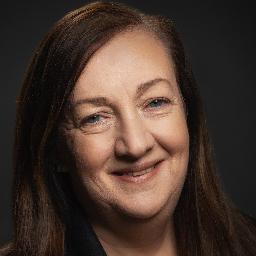
Kathryn Taylor
BACP
12 years in practice
Experienced counsellor with workplace insight
- Stress, Anxiety
- Relationship
- Self esteem
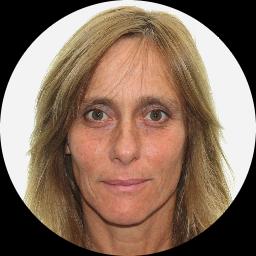
Lucy Nicolaysen
BACP
6 years in practice
Trauma-informed, attachment-focused counsellor
- Relationship
- Family
- Trauma and abuse

Matthew Bridge
BACP
3 years in practice
Compassionate counsellor for trauma and stress
- Stress, Anxiety
- LGBT
- Relationship