
Laura Kirk, BACP
Laura Kirk is a BACP psychotherapist based in the United Kingdom.
About Laura
Laura Kirk is a BACP psychotherapist based in the United Kingdom. She has three years of clinical practice and a longer background in mental health work. Laura brings a calm, honest style to sessions and aims to help people make sense of difficult feelings and patterns.
She uses Trauma-Focused Therapy alongside client-centred and somatic approaches. That means she pays attention to emotions, thoughts and bodily sensations and gently links them to life events.
Background and approach
Sessions focus on building trust, noticing what is happening in the body, and finding ways to reduce physical and emotional upset. Laura draws on earlier roles as a support worker and on fifteen years of experience in mental health settings. She has worked with issues such as anxiety, bereavement, depression, grief, trauma and compassion fatigue.
She also supports people with sleep problems, low self-esteem, anger, and the practical stresses of parenting and career change. She is neurodivergent and has experience with ADHD, autism, dyslexia and matters affecting LGBTQ+ people. Laura also mentions working with later-life issues, chronic illness and end-of-life concerns.
Her approach aims to help people identify strengths and take practical steps toward change. Therapy with Laura is collaborative. She invites people to lead the work while offering reflections and gentle challenge when helpful.
The emphasis is on building awareness, regulating the body, and helping clients move forward at their own pace.
Details from the counsellor's public professional profile · registration number listed
← Browse all counsellorsRegistration
| Body | Registration number | Expires |
|---|---|---|
| BACP | 408539 | February 2027 |
Registration details are as listed on the counsellor's public profile. You can check any number with the registering body.
Sessions and payment
Sessions are held online through our partner platform, by video, phone or messaging depending on the counsellor.
Cost Costs are shown on the partner platform before you commit. If cost is a concern, ask about reduced-fee options.
Focus areas and approaches
Everything Laura lists on their public professional profile, in their own terms.
- Stress, Anxiety
- Trauma and abuse
- Grief
- Parenting issues
- Self esteem
- Relationship issues
- Family conflicts
- Sleeping disorders
- Anger management
- Career difficulties
- Depression
- Coping with life changes
- Compassion fatigue
- ADHD
- Abandonment
- Adoption and foster care
- Aging and geriatric issues
- Attachment issues
- Autism and Asperger Syndrome
- Cancer
- Caregiver issues and stress
- Chronic pain, illness, and disability
- Communication problems
- Dissociation
- Divorce and separation
- Family problems
- Guilt and shame
- Hospice and end-of-life counselling
- Intellectual disability
- Isolation / loneliness
- Life purpose
- Panic disorder and panic attacks
- Pregnancy and childbirth
- Self-love
- Sexuality
- Smoking / vaping cessation
- Social anxiety and phobia
- Visually impaired
- Women's issues
- Workplace issues
Ways of working Laura names
Naming an approach is not evidence of training in it. This directory copies what each counsellor lists and does not check training records.
How Trauma-Focused and Somatic Work Fit Online
Trauma-Focused Therapy helps people identify how past painful events affect their feelings and behaviours now. It supports survivors of trauma to notice triggers and build safer responses in daily life.Somatic Therapy pays attention to body sensations alongside thoughts and emotions. It teaches ways to notice tension, breathing and movement so people can learn simple body-based techniques to calm down or ground themselves.
Finding the right approach is a team effort. The therapist will work with the client to choose which methods suit their goals and preferences. Sessions begin with gentle exploration, and adjustments are made as the work unfolds to match what feels most useful.
Online therapy offers practical flexibility. Video calls recreate face-to-face conversation and allow somatic noticing with visual cues. Phone sessions need less bandwidth and can be easier for a quick check-in. Live chat or text messaging can suit people who prefer writing their thoughts or who want shorter, more frequent check-ins. Registered or accredited professionals can use these formats to make therapy fit around work, family and daily life.
Frequently asked
What kinds of problems can be addressed in sessions?
She supports people with stress, anxiety, trauma and abuse, grief, depression and related concerns such as sleep problems, anger and low self-esteem.
How would you describe her therapeutic style?
Laura combines Trauma-Focused Therapy, client-centred listening and somatic work to notice feelings in the body and connect them with emotions and memories.
What is her professional background?
She has three years of clinical practice as a psychotherapist and around fifteen years working in mental health roles as a support worker.
What credentials and location are listed?
She is registered with the BACP and works in the United Kingdom.
Which languages are sessions offered in?
Sessions are offered in English.
What formats are available for remote therapy?
Sessions can be delivered by video calls, phone sessions, live chat or text-based messaging.
How are sessions charged and billed?
Cost varies with location and therapist availability; sessions use a subscription that can be cancelled at any time.
How do I begin if I want to work with her?
To start, select the Start Therapy button, complete a short matching questionnaire, and then schedule sessions according to the therapist's availability.
More counsellors who work with Stress, Anxiety
See all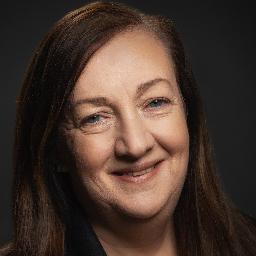
Kathryn Taylor
BACP
12 years in practice
Experienced counsellor with workplace insight
- Stress, Anxiety
- Relationship
- Self esteem
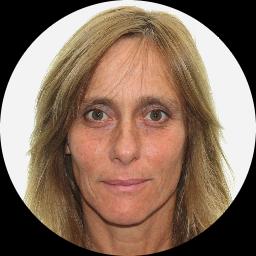
Lucy Nicolaysen
BACP
6 years in practice
Trauma-informed, attachment-focused counsellor
- Relationship
- Family
- Trauma and abuse

Matthew Bridge
BACP
3 years in practice
Compassionate counsellor for trauma and stress
- Stress, Anxiety
- LGBT
- Relationship