
Kim Poyser, BACP
Kim Poyser is a counsellor based in the United Kingdom.
About Kim
Kim Poyser is a counsellor based in the United Kingdom. She has five years of counselling experience and is a registered member of the British Association for Counsellors and Psychotherapists (BACP). She welcomes conversations about stress, anxiety, depression, relationship and intimacy concerns, grief, trauma and abuse, and issues linked to parenting and family life.
Kim frames sessions around what matters to each person. She listens without judgement and adapts the pace to suit the individual.
Background and approach
Sessions are practical and focused on helping people cope with life changes, manage emotions, and find clearer next steps. Her background includes work in pastoral support within further and higher education, and two decades in social care supporting young people and vulnerable adults. She has delivered solution-focused projects with charities including Barnardo's and has provided online counselling through Childline.
Kim holds BACP registration and has completed workshops on topics such as suicide, self-harm and general mental health. She uses client-centred and solution-focused methods to shape conversations and goals together with each person. People who meet Kim can expect a respectful and sensitive approach.
She tailors discussions and a working plan to each person’s needs. Taking the first step can be hard, and she aims to make the process straightforward and manageable.
Details from the counsellor's public professional profile · registration number listed
← Browse all counsellorsRegistration
| Body | Registration number | Expires |
|---|---|---|
| BACP | 394018 | November 2026 |
Registration details are as listed on the counsellor's public profile. You can check any number with the registering body.
Sessions and payment
Sessions are held online through our partner platform, by video, phone or messaging depending on the counsellor.
Cost Costs are shown on the partner platform before you commit. If cost is a concern, ask about reduced-fee options.
Focus areas and approaches
Everything Kim lists on their public professional profile, in their own terms.
- Stress, Anxiety
- Relationship issues
- Depression
- Coping with life changes
- LGBT
- Family conflicts
- Trauma and abuse
- Grief
- Intimacy-related issues
- Eating disorders
- Parenting issues
- Anger management
- Self esteem
- Bipolar disorder
- Abandonment
- Adoption and foster care
- Attachment issues
- Blended family issues
- Caregiver issues and stress
- Chronic pain, illness, and disability
- Codependency
- Commitment issues
- Divorce and separation
- Domestic violence
- Family problems
- Fatherhood issues
- Guilt and shame
- Infidelity
- Isolation / loneliness
- Jealousy
- Life purpose
- Midlife crisis
- Seasonal Affective Disorder (SAD)
- Self-harm
- Self-love
- Sexual assault and abuse
- Social anxiety and phobia
- Women's issues
- Young adult issues
Ways of working Kim names
Naming an approach is not evidence of training in it. This directory copies what each counsellor lists and does not check training records.
How client-centred and solution-focused therapy work online
Client-Centred Therapy places the person at the heart of the work. The counsellor listens closely, reflects what you say, and helps you make sense of your feelings. This approach is useful for building trust and exploring issues such as low self-esteem, grief or relationship concerns.Solution-Focused Therapy concentrates on practical steps and small changes. Sessions look for what is already working and build on strengths to create clear goals. This style is often helpful when someone wants short-term direction for stress, coping with life changes, or improving daily routines.
Choosing the right approach is part of the process. The counsellor will discuss your needs, goals and preferences and together you will decide what to try first. That collaborative decision can be revisited as work progresses so the plan fits you.
Online therapy offers flexibility for different schedules and situations. Video calls allow face-to-face conversation and visual cues, while phone sessions use less data and can be easier to fit into a work break. Live chat and text-based messaging suit brief check-ins or when writing feels more comfortable. These options make it easier to keep continuity and to match the format to practical needs.
Frequently asked
What problems does this counsellor help with?
She supports people with stress, anxiety, depression, relationship and intimacy issues, grief, trauma and abuse, eating and self-esteem concerns, bipolar and parenting-related strain.
What style of therapy can I expect?
Sessions use a client-centred style that follows your priorities and a solution-focused approach to identify small, practical steps toward change.
What experience does the counsellor have?
She has five years of professional counselling experience, plus around 20 years working in social care and pastoral support in education settings.
What are the counsellor's credentials and location?
She is registered with the British Association for Counsellors and Psychotherapists (BACP) and practises in the United Kingdom.
Which languages are supported?
Sessions are offered in English.
How are sessions delivered online?
Therapy is available by video calls, phone sessions, live chat, or text-based messaging to suit different needs and schedules.
How much does therapy cost?
Cost varies with location and therapist availability, and sessions use a subscription that can be cancelled at any time.
How do I begin working with this counsellor?
Select the Start Therapy button, complete a short matching questionnaire, and schedule sessions according to therapist availability.
More counsellors who work with Stress, Anxiety
See all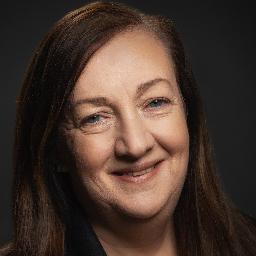
Kathryn Taylor
BACP
12 years in practice
Experienced counsellor with workplace insight
- Stress, Anxiety
- Relationship
- Self esteem

Lucy Nicolaysen
BACP
6 years in practice
Trauma-informed, attachment-focused counsellor
- Relationship
- Family
- Trauma and abuse

Matthew Bridge
BACP
3 years in practice
Compassionate counsellor for trauma and stress
- Stress, Anxiety
- LGBT
- Relationship