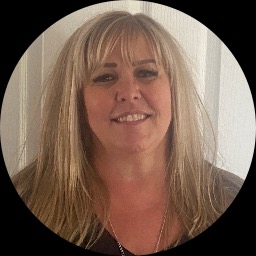
Julie Durmush, NCPS
Julie Durmush is a counsellor who works in a person-centred way and adapts to each person's needs.
About Julie
Julie Durmush is a counsellor who works in a person-centred way and adapts to each person's needs. She brings six years of experience and an NCPS registration. Julie aims to create a kind, non-judgemental space where people can be heard and begin to find clarity.
She uses a blend of approaches rather than one fixed method. That means sessions can include trauma-focused work, cognitive behavioural techniques, emotionally-focused methods and mindfulness, alongside client-centred listening.
Background and approach
Julie describes the relationship she builds with people as collaborative and trusting. Her practice supports people dealing with stress and anxiety, low mood and depression, relationship challenges and grief. She also helps with trauma and abuse, ADHD concerns, issues around self-esteem, and questions linked to gender and sexuality.
Additional areas she addresses include attachment and abandonment, dissociation, body image, codependency and communication problems. Julie has worked with adults and young people from a range of backgrounds and has experience with workplace and childhood trauma, as well as emergency services contacts. She sometimes offers single-session work using the wheel of life to map priorities and create short-term focus.
Sessions are approached with warmth, humility and compassion. Julie aims to listen without judgement and to walk alongside people as they work towards clearer understanding and practical steps for change.
Details from the counsellor's public professional profile · registration number listed
← Browse all counsellorsRegistration
| Body | Registration number | Expires |
|---|---|---|
| NCPS | NCS19-07562 | January 2027 |
Registration details are as listed on the counsellor's public profile. You can check any number with the registering body.
Sessions and payment
Sessions are held online through our partner platform, by video, phone or messaging depending on the counsellor.
Cost Costs are shown on the partner platform before you commit. If cost is a concern, ask about reduced-fee options.
Focus areas and approaches
Everything Julie lists on their public professional profile, in their own terms.
- Stress, Anxiety
- Relationship issues
- Trauma and abuse
- Grief
- ADHD
- LGBT
- Self esteem
- Depression
- Coping with life changes
- Abandonment
- Attachment issues
- Avoidant personality
- Body image
- Codependency
- Commitment issues
- Communication problems
- Control issues
- Dissociation
- Forgiveness
- Gender dysphoria
- Guilt and shame
- Isolation / loneliness
- Life purpose
- Mood disorders
- Narcissism
- Obsessions, compulsions, and OCD
- Panic disorder and panic attacks
- Post-traumatic stress
- Self-love
- Sexual assault and abuse
- Sexuality
- Social anxiety and phobia
- Women's issues
- Young adult issues
Ways of working Julie names
- Client-Centred Therapy
- Cognitive Behavioural Therapy (CBT)
- Emotionally-Focused Therapy (EFT)
- Mindfulness Therapy
- Trauma-Focused Therapy
Naming an approach is not evidence of training in it. This directory copies what each counsellor lists and does not check training records.
How Julie’s approaches work online
Julie blends trauma-focused work with client-centred ways of listening and uses cognitive behavioural techniques when helpful. Trauma-focused therapy aims to gently address painful memories and reactions and is useful for people impacted by past abuse or traumatic events. Client-centred work puts the person’s experience at the heart of sessions and helps build trust and self-understanding. Cognitive behavioural techniques look at how thoughts, feelings and behaviours link together and offer practical strategies to shift unhelpful patterns.Finding the right approach is part of the process and is decided together. Julie will talk with each person about their needs, goals and preferences and then suggest which methods to try. This collaborative planning can change over time as different issues emerge or progress is made.
Online therapy offers several practical benefits for this style of work. Video calls allow face-to-face conversation and visual cues, phone sessions can be used when bandwidth is limited or when a simpler check-in is preferred, and live chat or text messaging suit shorter reflections or ongoing support between sessions. These options make therapy more flexible for different schedules and day-to-day demands while keeping the focus on clear, practical steps and emotional processing.
Frequently asked
What concerns does Julie commonly help with?
She supports people with stress, anxiety, depression, relationship difficulties, grief and trauma and abuse. She also works with issues such as ADHD, self-esteem, and life changes.
What is her therapeutic style like?
Her core approach is client-centred listening combined with other methods like trauma-focused therapy, CBT, EFT and mindfulness. Sessions tend to mix listening with practical tools and reflective work tailored to each person.
How much experience does she have?
She has six years of counselling experience working with adults and young people from varied backgrounds, and with people affected by workplace and childhood trauma.
What are her credentials and where is she based?
She is registered with NCPS and practises in the United Kingdom.
Which languages are supported and can international clients join?
Sessions are offered in English. International clients are not currently accepted.
In what formats are sessions offered?
Therapy is available by video calls, phone sessions, live chat and text-based messaging to suit different preferences and schedules.
How are sessions charged?
Cost varies with location and therapist arrangements; sessions use a subscription model that can be cancelled at any time.
How do I begin therapy with her?
Start by selecting the Start Therapy button, complete a short matching questionnaire, and then schedule sessions according to the therapist's availability.
More counsellors who work with Stress, Anxiety
See all
Kathryn Taylor
BACP
12 years in practice
Experienced counsellor with workplace insight
- Stress, Anxiety
- Relationship
- Self esteem

Lucy Nicolaysen
BACP
6 years in practice
Trauma-informed, attachment-focused counsellor
- Relationship
- Family
- Trauma and abuse

Matthew Bridge
BACP
3 years in practice
Compassionate counsellor for trauma and stress
- Stress, Anxiety
- LGBT
- Relationship