
Jane Collings, BACP
Jane Collings is a counsellor who supports people dealing with stress, anxiety, trauma and abuse, relationship concerns, and LGBT-related issues.
About Jane
Jane Collings is a counsellor who supports people dealing with stress, anxiety, trauma and abuse, relationship concerns, and LGBT-related issues. She also helps with low self-esteem, addictions, grief, intimacy difficulties, eating concerns, anger, and depression. Her approach aims to make it easier to talk about painful things and to find practical ways forward.
She offers a calm, non-judgemental space where clients can name their worries. Sessions focus on listening closely, understanding patterns, and working together on realistic steps.
Background and approach
The first meetings are used to agree goals and decide what would feel most helpful. With nine years of experience in the United Kingdom, she has worked across a range of emotional and behavioural concerns. That background includes supporting people with ADHD, compassion fatigue, career stress and coping with life changes, along with issues linked to adoption, attachment and family problems.
Jane is registered with the British Association for Counselling and Psychotherapy, BACP. Her practice is straightforward and practical, aimed at reducing overwhelm and building stronger coping skills over time. Therapy sessions combine discussion with practical exercises tailored to each person.
She encourages small, manageable steps that fit into everyday life. The goal is clearer thinking, steadier emotions and better day-to-day functioning.
Details from the counsellor's public professional profile · registration number listed
← Browse all counsellorsRegistration
| Body | Registration number | Expires |
|---|---|---|
| BACP | 376331 | June 2026 |
Registration details are as listed on the counsellor's public profile. You can check any number with the registering body.
Sessions and payment
Sessions are held online through our partner platform, by video, phone or messaging depending on the counsellor.
Cost Costs are shown on the partner platform before you commit. If cost is a concern, ask about reduced-fee options.
Focus areas and approaches
Everything Jane lists on their public professional profile, in their own terms.
- Stress, Anxiety
- LGBT
- Relationship issues
- Trauma and abuse
- Self esteem
- Addictions
- Grief
- Intimacy-related issues
- Eating disorders
- Anger management
- Career difficulties
- Depression
- Coping with life changes
- Compassion fatigue
- ADHD
- Abandonment
- Adoption and foster care
- Attachment issues
- Blended family issues
- Body image
- Codependency
- Commitment issues
- Control issues
- Dissociation
- Divorce and separation
- Domestic violence
- Drug and alcohol addiction
- Eating and food-related issues
- Emptiness
- Family problems
- Fatherhood issues
- Gender dysphoria
- Guilt and shame
- Infidelity
- Isolation / loneliness
- Jealousy
- Midlife crisis
- Obsessions, compulsions, and OCD
- Polyamory / non-monogamous relationships
- Postpartum depression
- Post-traumatic stress
- Pregnancy and childbirth
- Process addiction (porn, exercise, gambling)
- Self-love
- Sex addiction
- Sexual assault and abuse
- Sexuality
- Social anxiety and phobia
- Somatization
- Women's issues
- Workplace issues
- Young adult issues
Therapeutic approaches and online options that fit your life
Jane uses evidence-based therapeutic techniques that focus on understanding and changing patterns that cause distress. One approach helps people identify unhelpful thoughts and try alternative ways of thinking and acting to reduce anxiety and low mood. Another approach concentrates on processing reactions to past trauma and building stronger coping skills so daily triggers feel more manageable.Finding the right approach is part of the work. The therapist will talk with each person about their needs, goals and preferences and then try methods that suit them. This is a collaborative process and adjustments are made as progress is reviewed.
Online sessions are available by video call, phone, live chat or text-based messaging. Video calls allow face-to-face conversation when that feels helpful. Phone sessions can be a good option when bandwidth is limited or when someone prefers not to be on camera. Live chat or text messaging suits brief check-ins, reflective notes between sessions or for people who prefer writing. These choices make it easier to fit therapy around work, family and daily life while keeping continuity of care.
Frequently asked
What kinds of problems can I bring to therapy?
Jane helps people with stress, anxiety, trauma and abuse, depression, addiction, grief and a wide range of relationship and self-esteem concerns.
How would you describe her therapeutic style?
Her style is warm and non-judgemental with a focus on listening, understanding patterns and taking practical steps that fit everyday life.
What experience does she have?
She has nine years of professional experience working with emotional and behavioural concerns in the United Kingdom.
What credentials and location should I know about?
She is registered with the British Association for Counselling and Psychotherapy, BACP, and practises in the United Kingdom.
Which languages and international options are available?
Sessions are offered in English and she is not currently accepting international clients.
What session formats are offered?
Therapy is available by video calls, phone sessions, live chat or text-based messaging to suit different needs and schedules.
How does pricing work?
Costs vary with location and therapist availability; sessions use a subscription model that can be cancelled at any time.
How do I begin if I want to work with her?
Start by selecting the Start Therapy button, completing a short matching questionnaire, and then scheduling sessions according to therapist availability.
More counsellors who work with Stress, Anxiety
See all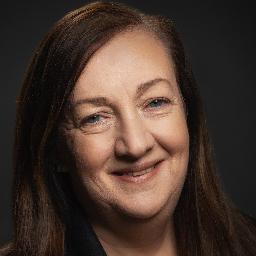
Kathryn Taylor
BACP
12 years in practice
Experienced counsellor with workplace insight
- Stress, Anxiety
- Relationship
- Self esteem

Lucy Nicolaysen
BACP
6 years in practice
Trauma-informed, attachment-focused counsellor
- Relationship
- Family
- Trauma and abuse

Matthew Bridge
BACP
3 years in practice
Compassionate counsellor for trauma and stress
- Stress, Anxiety
- LGBT
- Relationship